

 By Marcus Webb
Quick Answer
Yes, real estate agent rebates often differ significantly between brokerages and solo agents, with brokerage-backed models typically offering larger, more consistent, and more reliably delivered rebates. This is because brokerages have higher transaction volume, standardized rebate policies, and stronger negotiating leverage with builders than most independent agents working alone.
Introduction
Southern California buyers shopping for new construction homes are increasingly aware that a real estate agent rebate can put thousands back in their pocket at closing. What most do not realize is that the structure behind that rebate, whether it comes from a full brokerage or a single agent, can shape both the size of the check and the certainty of receiving it. A 1% offer from a solo agent and a 1% offer from a brokerage are not always equivalent when you look at the fine print, the volume behind the negotiation, and the operational backing. Two rebates advertised at the same percentage can result in very different closing outcomes based on who is behind them.
Key Takeaways:
Brokerage-based rebates tend to be more standardized, better documented, and more reliably paid at closing than solo agent offers.
Higher transaction volume gives brokerages stronger leverage with builders, often unlocking incentives a solo agent cannot match.
When comparing a buyer agent commission rebate, buyers should evaluate contract clarity, payout timing, and the firm's builder relationships, not just the headline percentage.

How Real Estate Agent Rebates Are Structured
A real estate agent rebate is a portion of the buyer-side commission returned to the buyer at closing, typically applied to closing costs, prepaids, or down payment. In California, these rebates are fully legal and regulated, but the mechanics vary based on who is offering them and how their business is organized.
Solo Agent Rebate Models
Solo agents generally handle every part of the transaction themselves, which means their rebate offers reflect the economics of a single-person business. Because their income depends on each individual deal, their willingness and ability to rebate can shift based on their pipeline, expenses, and negotiating comfort with builders.
Variable percentages: Solo agents may offer 0.5% to 1% but often adjust based on the deal size or their own margin needs.
Case-by-case terms: Rebate agreements are frequently informal or negotiated per transaction rather than standardized.
Limited builder leverage: One agent bringing one buyer rarely commands the attention builders give to firms sending steady volume.
Payout dependency: The rebate depends on the individual agent's follow-through, with no larger operational backstop.
Brokerage Rebate Models
Brokerages, especially those built around buyer-focused representation, operate with formalized rebate structures written into their business model. This changes both the size and the reliability of what buyers receive. A firm like Ease writes its 1% rebate, up to $30,000, directly into the client agreement, so buyers know the exact number before they tour their first model home. Because brokerages process many transactions per month, they can afford to standardize a stronger rebate and still support a full team of specialists behind each buyer.
The structural differences between agents and brokers also matter here: brokers carry additional licensing, compliance oversight, and fiduciary responsibility, which typically translates into cleaner rebate documentation and fewer surprises at closing. For buyers researching best rebate companies, this operational maturity is often the deciding factor.
Comparing Brokerage vs Solo Agent Rebates Side by Side
The differences become clearer when you look at the two models on the same set of criteria. Buyers considering a cashback realtor should weigh consistency, negotiation strength, and payout structure, not just the advertised rebate percentage.
Head-to-Head Comparison
Below is a snapshot of how typical brokerage-backed and solo agent rebate programs compare across the factors that matter most for a new construction purchase in Southern California.
Factor | Brokerage-Based Rebate | Solo Agent Rebate |
|---|---|---|
Typical Rebate Size | 1% of purchase price, capped (e.g., $30,000) | 0.5% to 1%, often variable |
Contract Standardization | Written into standard buyer agreement | Often negotiated per deal |
Builder Negotiation Leverage | High, based on volume and relationships | Limited to individual reputation |
Payout Reliability | Backed by firm compliance and escrow processes | Depends on individual follow-through |
Support Team | Transaction coordinators, negotiators, analysts | Single agent handling all roles |
The clearest takeaway is that brokerage rebates tend to hold their value under pressure. When a builder pushes back on incentives or a closing timeline shifts, a firm with standardized processes is more likely to deliver the full rebate differences between brokerages and solo agents as promised, while solo arrangements can bend under the same stress.
Why Brokerage Volume Changes the Rebate Math
Rebate size is directly tied to how much commission the buyer's representative earns, and that commission is influenced by the leverage they bring to builder negotiations. Volume changes everything about that equation.
Volume, Leverage, and Builder Relationships
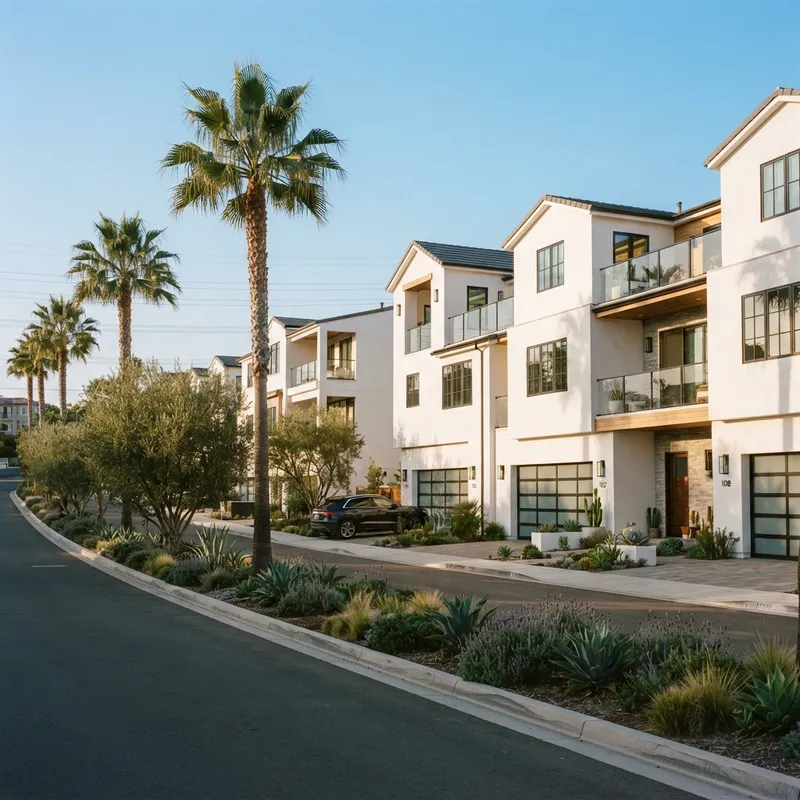
Builders in Orange County, Rancho Cucamonga, Chino, and Irvine track which firms consistently bring qualified buyers into their communities. A brokerage sending 10 or 20 buyers per quarter into a builder's portfolio has clear negotiation weight when asking for rate buydowns, upgrade credits, or price concessions. That leverage often produces incentives worth far more than the rebate itself, effectively stacking savings for the buyer. Solo agents, however skilled, rarely command the same volume-based attention, which limits what they can extract on top of a standard commission.
This is also where the distinction between a licensed real estate agent and a broker matters in practice. Under standard real estate licensing structures, brokerages carry more responsibility and often more sophisticated operational infrastructure, which supports both larger rebates and more aggressive builder negotiation.
What Buyers Should Ask Before Choosing
Before signing a buyer representation agreement, buyers should treat rebate offers like any other financial product and verify the terms in writing. A confident rebate provider will welcome the questions. Ease, for example, walks buyers through the full financial picture, including how the rebate interacts with lender rules and buyer rebates at closing, before any offer is written. Ask how the rebate is documented, when it hits the closing statement, whether it can be applied to rebate as down payment option, and what the firm's track record looks like across recent closings. Also ask which builders the firm regularly works with, because established relationships usually translate into stronger incentive stacking on top of the rebate. Compare the answers to what a solo agent offers, and the difference in operational depth becomes obvious.

Conclusion
Choosing between a broker-backed rebate and a solo agent rebate is less about the headline percentage and more about the structure behind it. Brokerages typically bring standardized contracts, larger rebate caps, stronger builder relationships, and operational backing that makes payouts predictable. Solo agents can still deliver value, but their rebates often come with more variability and less negotiation weight at the builder's table. For Southern California buyers focused on new construction, comparing cash back brokerage programs against solo offers should be part of the due diligence, right alongside price, community, and floor plan.
Ready to see what a broker-backed rebate could mean for your next new construction purchase? Explore how Ease structures buyer rebates and get a clearer picture of your potential savings before you tour your next model home.
Frequently Asked Questions (FAQs)
What is a real estate agent rebate?
A real estate agent rebate is a portion of the buyer-side commission returned to the buyer at closing, typically applied to closing costs or the down payment.
How does a realtor commission rebate work?
The buyer's agent or brokerage agrees in writing to return a set percentage of their commission to the buyer, which appears as a credit on the closing statement at settlement.
Are commission rebates legal in California?
Yes, commission rebates are fully legal in California and are commonly used by buyer-focused brokerages to help clients reduce out-of-pocket closing costs.
Is a 1% rebate standard for new construction?
A 1% rebate is a strong benchmark offered by buyer-focused brokerages on new construction, while solo agents more often offer smaller or variable amounts.
Can I get a rebate on new construction homes in California?
Yes, buyers can receive a rebate on new construction purchases in California as long as they are represented by an agent or brokerage that offers one and the builder allows outside representation.
Do rebates differ between brokers and solo agents in SoCal?
Yes, brokerage rebates in Southern California tend to be larger, more standardized, and more reliably paid than those offered by solo agents working independently.
How can I save money on closing costs in Southern California?
Working with a buyer-focused brokerage that offers a written rebate and actively negotiates builder incentives is one of the most effective ways to reduce closing costs on a new construction home.
About the Author
Marcus Webb is a real estate strategist focused on helping buyers maximize savings on new builds across Orange County, Riverside, and San Bernardino. His work centers on buyer rebates, rate buydowns, and upgrade negotiation strategies in Southern California's most competitive new construction markets.
