

 By Rachel Torres
Quick Answer
Buying a resale house in Southern California typically takes about 2 to 4 months from pre-approval to keys, while buying new construction can stretch from 6 to 12 months or longer depending on the build stage. The exact timeline hinges on financing readiness, inventory, inspection turnaround, and, for new builds, how far along construction is when you sign the purchase agreement.
Introduction
Most Southern California buyers underestimate how much of the timeline is decided before an offer is ever written. Getting your finances in order, choosing between resale and new construction, and picking the right representation shape whether you close in 45 days or wait most of a year. The sooner those pieces are locked in, the smoother every phase that follows becomes.
Key Takeaways:
Resale purchases in Southern California generally close in 2 to 4 months, while new construction can take 6 to 12 months or more.
Pre-approval, inspection windows, and appraisal turnaround are the phases most likely to cause delays.
Working with a buyer-focused agent for new construction can unlock rate buydowns, upgrades, and closing cost rebates that builders rarely offer unrepresented buyers.

Phase one: financing and preparation (2 to 6 weeks)
Before you tour a single property, lenders need a full picture of your income, debts, credit, and down payment. This phase sets the ceiling for what you can offer and how competitive you look to sellers or builders. Rushing through it is the single most common reason buyers lose homes in Orange County's fast-moving market.
Getting pre-approved
Pre-approval is different from pre-qualification, and the distinction matters when a builder or listing agent is deciding whether to take your offer seriously. A lender pulls your credit, verifies employment, and issues a letter tied to a specific loan amount. Understanding the mortgage pre-approval process early prevents surprises when you find the home you actually want.
Documents to gather: two years of tax returns, recent pay stubs, W-2s, and two months of bank statements.
Credit review: lenders typically want scores above the mid-600s for conventional loans, with better rates at higher tiers.
Down payment planning: FHA loans allow lower down payments, while conventional loans often expect closer to 20% to avoid mortgage insurance.
Debt-to-income check: lenders calculate your monthly obligations against gross income to determine what payment fits your profile.
Rate locks: once you have a property under contract, you can lock a rate for a set window, usually 30 to 60 days.
Choosing between resale and new construction
The property type you pick dictates almost everything about your timeline. A resale home in Irvine or Mission Viejo moves through escrow on a fixed schedule, while a new build in Rancho Cucamonga or Chino follows the builder's construction calendar. HUD's home buying guidance outlines the general phases every buyer moves through, but the sequencing and pacing shift dramatically once you factor in whether a home already exists.
Here is how the two paths compare across the phases that matter most for planning:
Phase | Resale Home | New Construction (to-be-built) |
|---|---|---|
Pre-approval to offer | 2 to 6 weeks | 2 to 6 weeks |
Contract to close | 30 to 45 days | 6 to 12 months |
Inspection window | Typically within the first 14 days | Pre-drywall and final walkthrough |
Move-in flexibility | Firm close date | Estimated, subject to builder delays |
Negotiation leverage | Price, credits, repairs | Upgrades, rate buydowns, closing costs |
The takeaway: if a lease is ending in 60 days, resale is almost always the faster path, while new construction rewards buyers who can plan 6 to 12 months out and want to customize finishes from the start.
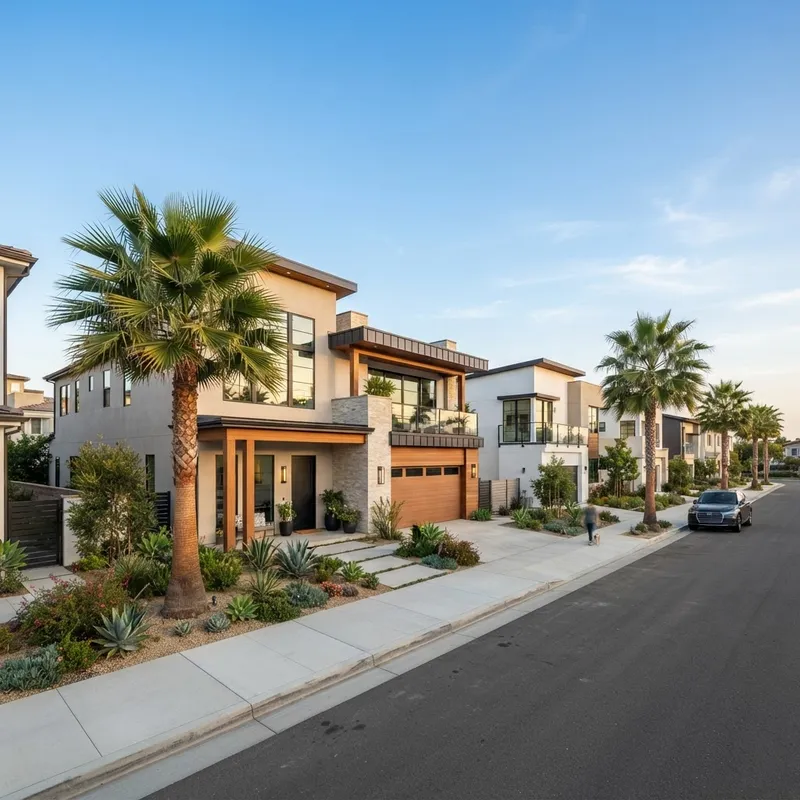
Phase two: house hunting through offer acceptance
This is the phase most buyers picture when they think about buying a house, but it usually takes less time than the prep work that came before it. In competitive Southern California submarkets, active buyers who know their criteria often find the right property within a month or two of starting serious tours.
Touring, offers, and contracts
For resale homes, expect to tour anywhere from a handful to a couple dozen properties before writing an offer, depending on inventory and how specific your must-haves are. Offers in Orange County frequently include escalation clauses, appraisal contingency adjustments, and shortened inspection periods to stand out. HUD's homebuyer guidebook offers general background on the traditional structure of a home purchase, though it predates today's escalation clauses and appraisal-gap terms common in Orange County offers
New construction works differently. You are typically choosing a lot, floor plan, and elevation from the builder's release schedule, then signing a purchase agreement that locks the price while construction proceeds. Working with Ease during this step means you have a buyer-focused advocate at the sales office instead of relying on the builder's rep, who represents the builder's interests by contract.
Negotiating what actually moves the needle
For resale, price and credits dominate the negotiation. For new builds, the real value is in upgrades, rate buydowns, and closing cost coverage that builders control but rarely lead with. A skilled new construction buyer agent knows which incentives each builder is offering month to month and how to structure the deal so you capture them.
Phase three: from contract to keys
Once your offer is accepted, the clock starts on inspections, appraisal, loan underwriting, and closing coordination. For resale homes this window is usually 30 to 45 days, while for new construction it can stretch across most of a year while the home is built.
Inspections, appraisal, and underwriting
Resale inspections happen within the first two weeks of escrow and cover structure, systems, roof, and any specialty concerns like pools or septic. New construction has its own inspection cadence, typically a pre-drywall inspection and a final walkthrough, and skipping them is one of the most expensive mistakes a new build buyer can make. The home inspection process for new builds catches issues while they are still easy for the builder to fix under warranty.
The appraisal usually lands within two to three weeks of a resale contract and confirms the lender is comfortable financing at the agreed price. Underwriting runs in parallel, with the lender verifying every document and pulling updated credit and employment checks right up until funding. For a broader look at how these steps sequence together in a new build, the purchase timeline guide breaks the phases down by month.
Closing day and getting your keys
Closing itself is fast once everything is cleared. You will sign a stack of loan and title documents, wire your down payment and closing costs, and wait for funding and recording. CFPB's step-by-step buying guide walks through the standard signing sequence, though the exact order varies by escrow company and lender. The closing day process for new builds also includes a final walkthrough where you confirm punch list items are complete before keys change hands.
Conclusion
The honest answer to how long it takes to buy a house is that it depends on which path you choose and how prepared you are when you start. Resale buyers who are pre-approved and decisive can be in a home in about two months, while new construction buyers should plan for the better part of a year if they are choosing a to-be-built floor plan. The phases that trip people up are almost always the same: rushed pre-approval, missed inspection windows, and negotiations left on the table because no one was advocating for the buyer. Ease exists to solve that last one, working exclusively for buyers in Southern California so the timeline works in your favor instead of the builder's. Knowing the milestones in advance is what turns a stressful stretch of months into a plan you can actually execute.
Curious how a buyer-focused brokerage changes the new construction timeline? Explore how Ease supports your home purchase and see what representation, negotiation, and a closing rebate can add to your outcome.
Frequently Asked Questions (FAQs)
How long does the new home buying process take?
The new home buying process typically takes 6 to 12 months from pre-approval to keys when purchasing a to-be-built home, with quick move-in inventory homes closing in as little as 45 to 60 days once construction is complete and financing is in place.
How long does it take to close on a new construction home?
Closing on a new construction home usually takes 30 to 45 days from the point the home is finished and cleared for certificate of occupancy, though the total wait includes the months of construction that precede that window.
Buying new construction vs resale, which is faster?
Resale is almost always faster because the home already exists and escrow runs on a defined 30 to 45 day schedule, while new construction depends on the builder's construction calendar and can stretch across most of a year for to-be-built homes.
Do builders pay for my buyer's agent?
Most Southern California builders include buyer's agent compensation in their sales structure at no added cost to the buyer, which means bringing a buyer-focused agent like Ease to your first visit costs nothing while gaining you dedicated representation at the negotiation table.
What questions to ask a home builder sales rep?
Ask about current incentives, rate buydown offers, standard versus upgraded finishes, estimated completion dates, warranty coverage, HOA fees, and which items are negotiable, and bring a buyer's agent who knows how to interpret and push back on the answers you receive.
How to save money on new construction homes?
The biggest savings on new construction come from negotiated rate buydowns, closing cost credits, upgrade packages included at no charge, and buyer rebates like the 1% cash back at closing Ease offers up to $30,000 toward your closing costs.
Is a new construction warranty worth it?
Yes, most new construction homes come with a builder warranty covering workmanship for the first year and structural components for up to 10 years, which makes documenting issues at your pre-drywall and final walkthrough inspections one of the most valuable protections you have as a buyer.
About the Author
Rachel Torres is a New Home Advisor at Ease with a background in Southern California real estate. She specializes in guiding first-time and move-up buyers through the new construction process, translating builder jargon into plain language and helping clients capture incentives they would otherwise miss. Her focus is on making the path from pre-approval to keys feel structured and predictable, not overwhelming.
