

 By Rachel Torres
Quick Answer
Buying a Lennar home in Southern California can include builder incentives, financing offers, upgrades, or closing-cost help, but the available terms vary by community, inventory home, financing choice, and contract timing. Bring buyer representation before your first sales-office visit, compare the full cost of each offer, and negotiate the package rather than focusing only on the advertised price.
Introduction
Lennar homes for sale can be a practical path into a new build, especially for buyers who want a planned community and a defined construction timeline. The key is treating the builder's offer as a starting point, not as a complete financial answer. In Southern California, affordability remains a real constraint: mid-tier California homes remain expensive relative to income. A lower advertised payment can still conceal higher cash-to-close needs, restrictive financing terms, or upgrade costs.
Key Takeaways:
Builder incentives can change by neighborhood, homesite, lender choice, and closing timeline.
Registering with a buyer agent early protects your ability to receive representation.
Compare financing, incentives, upgrades, and closing costs as one complete package.
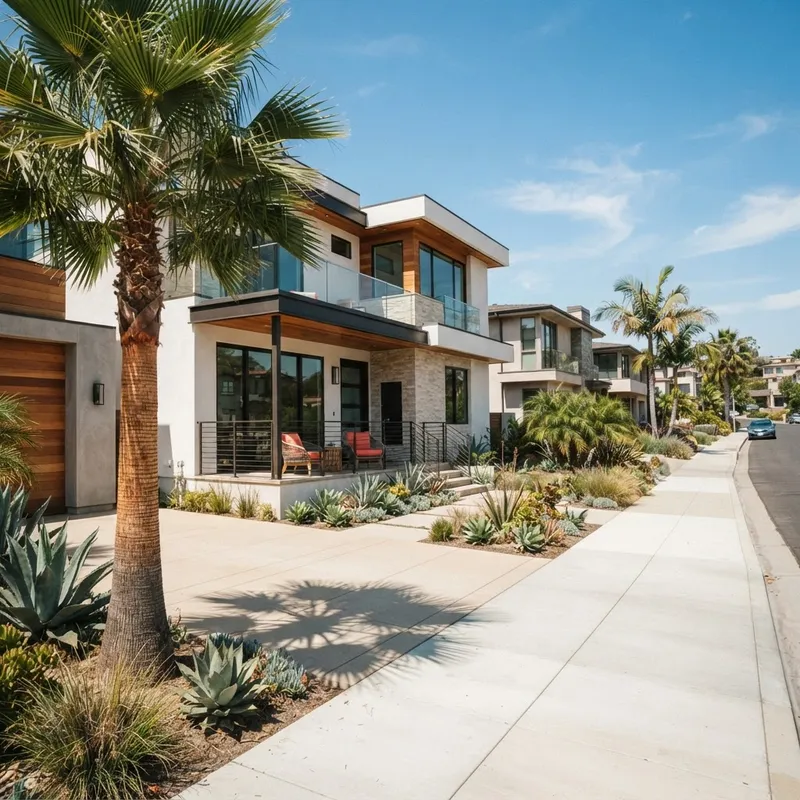
Lennar Communities Southern California: What Buyers Need to Verify
Lennar sells newly built homes through community sales teams, so the sales process differs from a resale purchase. The representative at the model home can explain releases, included features, and current promotions, but that representative works for the builder. Buyers should independently verify the homesite, estimated completion timing, included design package, homeowner association documents, and every incentive condition before committing.
Start with registration before touring models
Builder registration rules matter because many communities require your agent to accompany you or register you before your initial visit. Walking in alone may affect whether an outside agent can be involved later, so do not assume a later introduction solves the issue. Review the community's builder registration rules before entering a sales office, then ask for written confirmation that your representation is recorded.
Agent registration: Confirm it before your first model-home visit.
Homesite status: Ask whether the lot is released, reserved, or future inventory.
Included features: Request the exact specification sheet for your selected home.
Completion estimate: Treat projected delivery as an estimate until contract language confirms it.
HOA review: Read fees, rules, amenities, and any special assessments.
Representation changes the conversation
Buyer representation for new construction gives you an advocate focused on the contract, incentive terms, inspection access, financing comparison, and closing numbers. California guidance says a signed buyer representation agreement must address agent compensation, and buyers should understand that agreement before services begin. The buyer representation agreement must address compensation for the buyer's agent.

Lennar Homes for Sale: Compare the Full Offer
Southern California new home incentives are not one standard package. A promotion may apply only to a specific inventory home, require use of a builder-affiliated lender, depend on a target closing date, or replace another available concession. Ask the sales team to provide every offer in writing, including expiration dates, financing assumptions, lender fees, and which incentives cannot be combined.
Evaluate cash, rate, and upgrade incentives together
Negotiating with new home builders works best when you identify the expense that most affects your purchase, whether that is upfront cash, monthly payment, interest-rate exposure, or unfinished features. California buyers face a different rate environment from many existing owners, which makes financing comparison especially important. That gap makes a rate buydown worth analyzing carefully, but it does not automatically make an affiliated-lender offer the least expensive loan.
Use this comparison to keep the decision centered on the cost you actually carry, rather than on the most eye-catching promotion. California affordability also remains constrained, which is why comparing the full incentive package matters more than the advertised price alone.
Offer element | What to request | Potential tradeoff | Decision question |
|---|---|---|---|
Price concession | Written revised purchase price | May be limited on early releases | Does it improve appraisal and loan value? |
Rate buydown | Rate, duration, points, and lender fees | May require builder financing | What is the total loan cost? |
Closing-cost credit | Eligible costs and expiration date | Unused credit may not convert to cash | Will it reduce required cash? |
Upgrades | Itemized options and installation timing | Some upgrades may not appraise fully | Would cash be more valuable? |
The strongest offer is the one that improves your written net cost and remains workable if the loan, appraisal, or completion schedule changes. A credit that only applies through one lender deserves the same scrutiny as the interest rate itself.
Ask for the incentive stack in writing
Do not rely on verbal descriptions such as "special financing" or "included upgrades." Ask whether the offer changes with your loan program, whether it applies to every homesite, whether it expires before closing, and whether a price reduction can replace a credit. A practical builder incentives guide helps separate a genuine cost reduction from a promotion with narrow conditions.
Contracts, Deposits, and Financing Rules Before You Sign
A new-construction contract is usually drafted for the builder's process, not a buyer's preferred timeline. Read it before submitting a deposit, and focus on deadlines, cancellation rights, construction delays, financing contingencies, inspection access, warranty procedures, and remedies if the home changes from the original plan. Your deposit treatment depends on the signed contract and the transaction facts, so never assume it is refundable or nonrefundable without reviewing the actual language.
Read the terms that affect your flexibility
Builder contract terms often define how quickly you must make design selections, submit loan documents, respond to lender requests, and complete walk-throughs. Review a plain-language guide to builder contract terms before signing. They can also describe acceptable substitutions if a material or appliance becomes unavailable. Have your representative identify clauses that shift risk to you, then obtain written clarification for any promise made during the sales conversation.
For buyers considering new Lennar homes in Irvine and other active markets, the contract should match the specific homesite, not just the model presentation. Compare the elevation, included options, lot orientation, premiums, estimated completion details, and any community disclosures with the documents you sign. Use a plain-language review of builder contract terms before deadlines turn an open question into a binding obligation.
Compare builder financing options with outside loans
Builder financing can be convenient when it aligns with a valuable incentive, but convenience is not a substitute for comparison. Compare builder financing options with outside loans before choosing a lender. Request a complete written loan estimate from the affiliated lender and compare it with outside lenders using the same loan type, down payment, rate-lock period, and projected closing date. To evaluate a closing-cost credit on new construction, compare it against the rate, points, lender fees, and cash needed at closing.
Conclusion
A Lennar purchase can work well when the community, homesite, contract, and financial package all fit your goals. Get registered with representation before your first visit, request incentives and financing terms in writing, and compare the net cost instead of accepting a headline offer at face value. Ease helps Southern California buyers evaluate builder terms, negotiate incentives, and receive a 1% cash rebate at closing up to $30,000, subject to the purchase price and closing requirements. That rebate can be applied toward closing costs, making it one more figure to include in your full transaction comparison.
Before visiting a builder sales office, connect with Ease for buyer-focused new-construction support.
Frequently Asked Questions (FAQs)
Should I use a real estate agent to buy a Lennar home?
Yes, you should use a real estate agent to buy a Lennar home because the builder sales representative represents the builder, while your agent can review incentives, contract deadlines, financing choices, and inspection steps from your side of the transaction before you make binding decisions.
How does the Ease 1% rebate work for new homes?
The Ease 1% rebate for new homes returns 1% of the purchase price as cash at closing, up to $30,000, and buyers can apply it toward closing costs while receiving representation through the new-construction purchase process.
Can I negotiate the price of a brand new Lennar home?
Yes, you can negotiate the price of a brand new Lennar home, although the builder may instead adjust incentives, upgrades, financing assistance, or closing-cost support depending on the homesite, release stage, inventory status, and current community promotion.
Is it better to buy a new build or a resale in SoCal?
Whether a new build or resale is better in SoCal depends on your need for move-in timing, customization, maintenance expectations, location, and total ownership cost, because new homes may include warranties while resales may provide different neighborhood and negotiation options.
What incentives does Lennar offer in Irvine and Chino communities?
Lennar incentives in Irvine and Chino communities vary by available homes, financing selection, and promotional period, so buyers should request the current incentive sheet in writing and confirm whether credits, rate offers, upgrades, or price adjustments can combine.
About the Author
Rachel Torres is a New Home Advisor at Ease with a background in Southern California real estate and new-construction purchasing. She helps first-time and move-up buyers understand builder incentives, contracts, timelines, and the financial decisions that shape a successful closing.
