
 By Rachel Torres
Introduction
Southern California's new home communities are expanding rapidly across Irvine, Rancho Cucamonga, Chino, Mission Viejo, and dozens of other markets, giving buyers more options than ever. That variety sounds great until you realize each community comes with a different builder, HOA structure, amenity package, and price point, making side-by-side comparison genuinely difficult. The right framework turns an overwhelming search into a confident, clear-eyed decision, and the wrong approach can lock you into a community that looks beautiful on paper but falls short where it matters most.
Key Takeaway: Evaluate new home communities on five core factors (location trade-offs, builder reputation, amenities, HOA costs, and long-term value) and secure independent buyer representation before visiting any sales office to protect your negotiating power.
What to Evaluate Before You Visit a Single Model Home
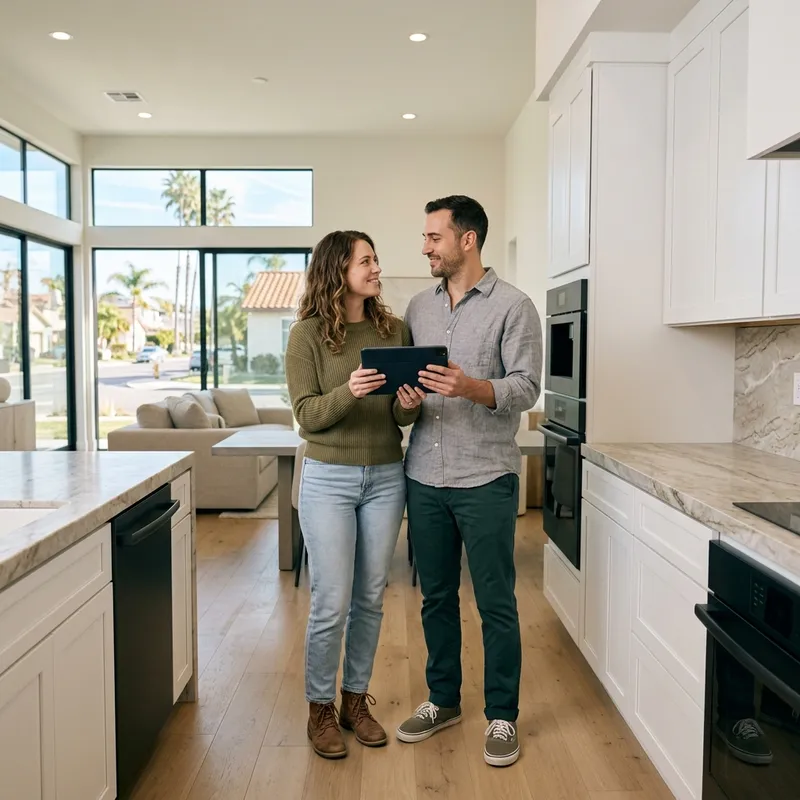
Walking into a beautifully staged model home before defining your priorities is a recipe for emotional decision-making. Setting your evaluation criteria upfront ensures every community visit produces comparable, decision-useful information instead of just excitement about granite countertops.
Location Trade-Offs That Shape Daily Life
Location goes far beyond the city name on the listing. When you compare new housing developments across SoCal, the practical differences in commute time, school districts, and access to employment centers vary dramatically, even between communities just a few miles apart. Here are the location factors that deserve the most weight:
Commute reality: Drive the route during rush hour before committing, because distances that look reasonable on a map can mean 90-minute commutes in SoCal traffic.
School assignments: Verify the actual school district boundaries for the specific phase you are buying in, since communities that straddle district lines can assign neighboring homes to different schools.
Retail and medical access: New communities built on the edge of development may lack nearby grocery stores, urgent care, or childcare for the first few years after completion.
Future development plans: Check the city's general plan for adjacent parcels to understand whether your views, traffic patterns, or noise levels could change significantly within five years.
Builder Reputation and Construction Quality
Not all new home builders deliver the same quality, warranty experience, or customer service after closing. Research published on homebuyer decision-making consistently identifies builder reputation as one of the strongest predictors of post-purchase satisfaction. Check the builder's license status through the California Contractors State License Board, read warranty claim reviews on independent forums, and visit a community that the builder completed two or more years ago to see how the homes are holding up. You can dig deeper by using a resource that helps you compare California home builders across track record, warranty scope, and construction standards.
Comparing Communities Side by Side
Once you have narrowed your search to three or four communities, you need a structured way to compare them on equal footing. The new construction home buying process rewards organized buyers who document specifics rather than relying on memory after touring multiple model homes in one weekend.
Community Amenities, HOA Fees, and the Real Cost of Ownership
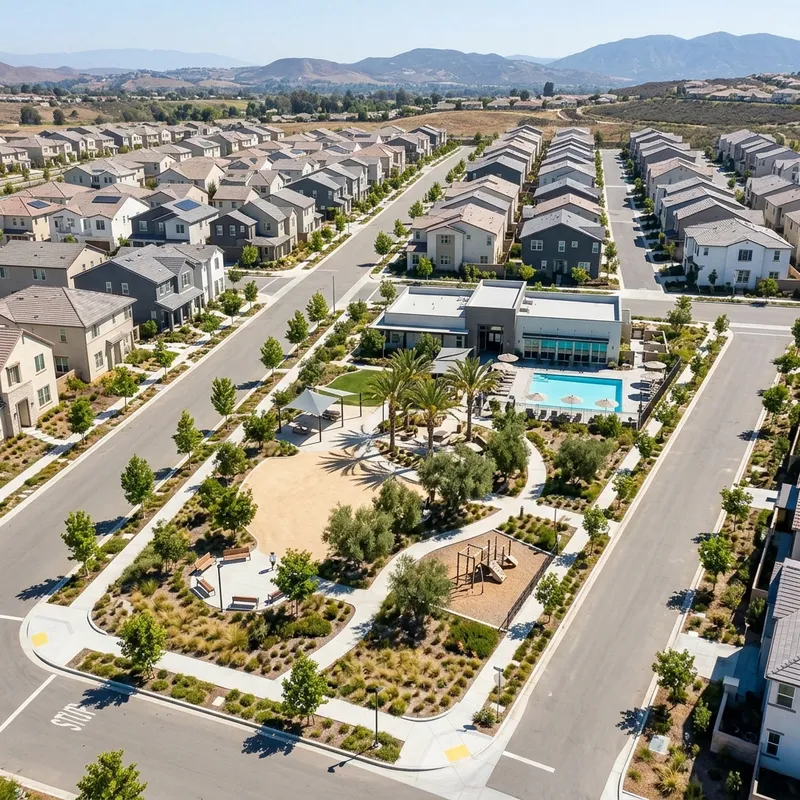
New home community amenities vary widely, and the monthly HOA fee is only meaningful when you understand exactly what it covers. Some communities bundle parks, pools, fitness centers, and gated security into one fee, while others charge separately for clubhouse access or trail maintenance. The table below shows how common community features stack up across typical SoCal price tiers.
Feature | Entry-Level Community ($500K-$700K) | Mid-Range Community ($700K-$1M) | Premium Community ($1M+) |
|---|---|---|---|
Monthly HOA Range | $150-$250 | $200-$400 | $300-$600+ |
Pool/Clubhouse | Shared with adjacent phases | Dedicated community pool | Resort-style pool, spa, cabanas |
Parks and Trails | Public park access nearby | Private pocket parks | Extensive trail network and open space |
Security | None or patrol only | Gated entry with patrol | 24/7 staffed gate and cameras |
Fitness/Recreation | Not included | Small fitness room | Full gym, sport courts, event space |
The biggest takeaway here is that higher HOA fees do not automatically mean better value. A $350 monthly fee that covers comprehensive landscaping, a well-maintained pool, and strong community infrastructure can be a better deal than a $200 fee that covers only basic common area maintenance. Always request the full HOA budget document and reserve study before making an offer.
Builder Incentives and Upgrades That Actually Matter
Builder incentives shift frequently based on inventory levels, interest rates, and where a community sits in its sales cycle. Common incentives for new construction homes in the Los Angeles area and Orange County include mortgage rate buydowns, closing cost credits, and free structural or design upgrades. The catch is that builders rarely volunteer their best offer upfront, especially to unrepresented buyers.
Pay close attention to which upgrades add lasting value versus which ones are cosmetic sweeteners. Structural upgrades (additional bedrooms, expanded garages, upgraded electrical panels) tend to contribute more to resale value than purely aesthetic choices. According to homeownership research, buyers who align purchase decisions with long-term equity goals consistently report higher satisfaction and stronger financial outcomes. Understanding how to evaluate new home builder quality helps you distinguish between meaningful upgrades and cosmetic distractions at the design center.
Why Representation Changes the Outcome
Walking into a builder's sales office alone puts you at a structural disadvantage. The on-site sales representative works for the builder, not for you, and their job is to maximize the builder's profit on every transaction.
The Role of New Construction Buyer Representation
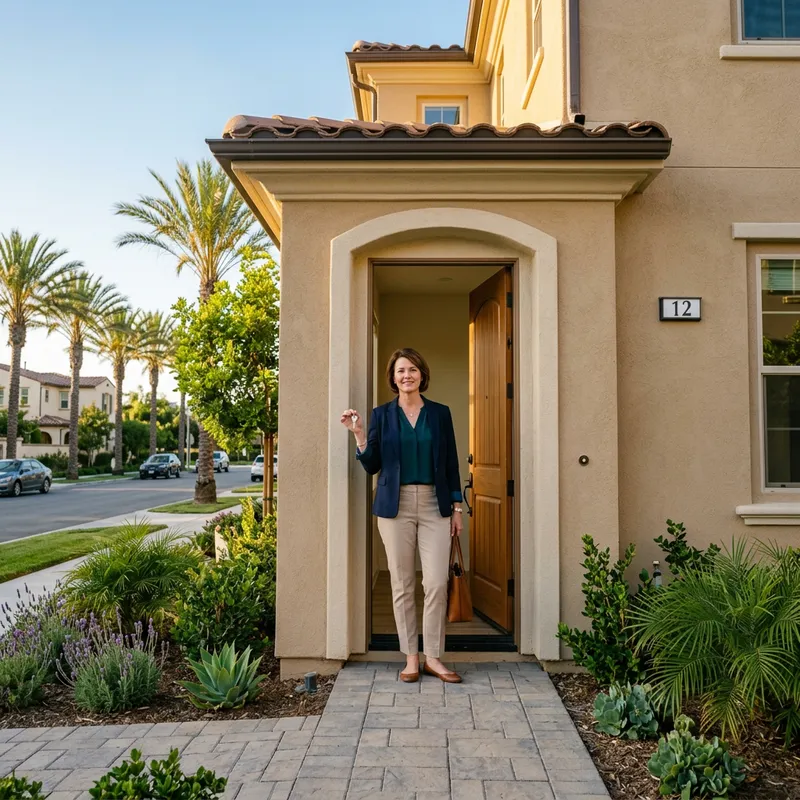
Having independent buyer representation during the new construction purchase process means someone is reviewing contracts, questioning pricing, and negotiating incentives with your financial interests as the priority. This is especially critical in SoCal markets where builders often present take-it-or-leave-it pricing to unrepresented buyers while quietly offering better terms through buyer agents who know how to ask.
A buyer's agent experienced in new construction can also catch contract provisions that most first-time buyers miss: escalation clauses tied to construction delays, binding arbitration requirements, and restrictions on your ability to resell within the first year. Ease specializes in exactly this type of representation, working exclusively for the buyer and helping clients secure stronger financial outcomes through negotiation leverage that most buyers simply do not have on their own.
Long-Term Value and Investment Considerations
New construction vs resale homes is a comparison that often comes down to long-term value trajectory. New communities in SoCal, particularly those in master-planned developments, tend to appreciate in phases as amenities are completed and surrounding retail and schools come online. Buyers who enter during early phases often capture the largest equity gains, but they also accept the most uncertainty about what the finished community will actually look and feel like. Reviewing the builder's track record in home appreciation within new construction communities gives you a data-driven way to gauge future value rather than relying on the sales team's projections.
Conclusion
Choosing the right new home community in Southern California requires more than browsing floor plans and visiting model homes on a Saturday afternoon. Evaluate every community against the same checklist: location practicality, builder quality, amenity value relative to HOA costs, available incentives, and long-term investment potential. Bring independent representation to the table before your first sales office visit, because that single step protects your negotiating position and can save thousands at closing. Ease gives SoCal buyers that representation along with a clear path through the new construction process, so you can focus on finding the community that genuinely fits your life rather than settling for the one with the best-staged kitchen.
Frequently Asked Questions (FAQs)
What is a new home community?
A new home community is a planned residential development where a builder constructs homes on a designated tract of land, typically sharing common amenities, an HOA, and a unified architectural design.
How to find new home communities in Southern California?
Search builder websites, visit regional new construction listing platforms, and work with a buyer's agent who specializes in new builds to get early access to communities before public release phases.
What amenities do new home communities offer?
Common amenities include pools, clubhouses, parks, walking trails, fitness centers, and gated security, though the specific package varies significantly by price tier and builder.
What is included in new home community HOA fees?
HOA fees typically cover common area landscaping, shared amenity maintenance, exterior insurance, and community management, but you should always request the full budget document to confirm exactly what your fee funds.
How to compare new home communities before buying?
Create a consistent checklist covering location, builder reputation, HOA costs, amenity value, available incentives, and contract terms, then evaluate every community against the same criteria.
Do new home communities offer builder incentives?
Yes, builders regularly offer incentives such as rate buydowns, closing cost credits, and design center upgrades, though the best terms usually go to buyers who negotiate through experienced representation.
Why use a buyer's agent in a new home community?
A buyer's agent reviews contracts, negotiates pricing and incentives on your behalf, and ensures you are not relying solely on the builder's sales representative, who is contractually obligated to the builder.
