

 By Rachel Torres
Introduction
Closing costs for buyers represent one of the biggest financial surprises in the home buying process, especially in Southern California where high purchase prices push those costs well into five-figure territory. When buying a house, mortgage closing costs typically range from 2% to 5% of the purchase price, meaning a $900,000 new construction home in Orange County could carry $18,000 to $45,000 in additional expenses beyond the down payment. Most buyers focus so heavily on saving for their down payment that they underestimate what the final settlement statement actually requires. The gap between what buyers expect and what they owe at the closing table is where real financial stress begins.
Key Takeaway: Budget 2% to 5% of your home's purchase price for closing costs, and explore builder incentives and buyer agent rebates to offset thousands of dollars before you sign.
What Is Included in Closing Costs for Buyers
Understanding each line item on your closing disclosure removes the mystery from estimated closing costs. The fees fall into a few broad categories, and knowing what drives each one helps you spot opportunities to negotiate or reduce them before closing day arrives.
Lender and Loan-Related Fees
Lender fees make up the largest share of what buyers owe at settlement. These charges are tied directly to your mortgage and are typically non-negotiable once you lock in your loan terms, though shopping between lenders can reveal significant differences.
Loan origination fee: Typically 0.5% to 1% of the loan amount, charged by the lender for processing and underwriting the mortgage
Appraisal fee: Ranges from $400 to $800 in Southern California, required by the lender to confirm the property's market value
Credit report fee: Usually $30 to $75 per borrower, covering the cost of pulling credit history from all three bureaus
Prepaid interest: Daily interest charges from your closing date through the end of that month, which can add up to hundreds or thousands depending on timing
Discount points: Optional upfront payments to buy down your interest rate, with each point costing 1% of the loan amount
Title, Escrow, and Government Fees
Beyond the lender's charges, buyers in Southern California pay for title insurance, escrow services, and government recording fees. Title insurance protects against ownership disputes and typically costs between $1,000 and $3,000 depending on the purchase price. Escrow fees, which cover the neutral third party managing the transaction, usually run $1,500 to $3,000 in Orange County and surrounding markets. County recording fees and transfer taxes add another few hundred dollars. In a new construction purchase, some of these fees may be structured differently than in a resale transaction, so reviewing the builder's estimated settlement statement early in the process is essential.
Comparing Closing Costs: New Construction vs. Resale Homes
Buyers shopping in Southern California often weigh new construction against resale properties, and the closing cost structures differ in ways that affect total out-of-pocket spending. Knowing where these differences lie helps you make a more informed decision about how much to budget for closing costs.
Side-by-Side Cost Breakdown
The table below compares typical closing cost components for a new construction home versus a resale home at comparable price points in Southern California.
Cost Category | New Construction | Resale Home |
|---|---|---|
Loan origination fee | 0.5% – 1% | 0.5% – 1% |
Title insurance | $1,000 – $3,000 | $1,000 – $3,000 |
Escrow fees | $1,500 – $3,000 | $1,500 – $3,000 |
Home inspection | Often not required (builder warranty) | $400 – $700 |
Builder incentives available | Rate buydowns, closing cost credits, upgrades | Seller concessions only |
HOA setup / transfer fees | Capital fund contribution ($500 – $3,000+) | Transfer fee ($200 – $500) |
Mello-Roos / CFD taxes | Common in new communities | Less common |
The biggest takeaway here is that new construction purchases often come with Mello-Roos or Community Facilities District (CFD) taxes that resale homes may not carry, but builders frequently offset those with closing cost credits and rate buydowns that resale sellers rarely offer. Buyers who understand hidden costs in new construction can negotiate more effectively and avoid surprises on settlement day.
How Builder Incentives Impact Your Bottom Line
Builder incentives are one of the most powerful tools for reducing your closing costs to buy a home, yet many buyers walk into a sales office without knowing they exist. Builders routinely offer closing cost assistance programs that can cover thousands of dollars in fees, especially when they have incentive programs running on specific floor plans or communities. These incentives might include lender credits through the builder's preferred lender, rate buydowns that lower your monthly payment, or direct credits applied to your closing costs. The catch is that builder sales representatives work for the builder, not the buyer, so they are not obligated to tell you about every available concession. Having an advocate who understands builder concession negotiations can make a measurable difference in what you ultimately pay.
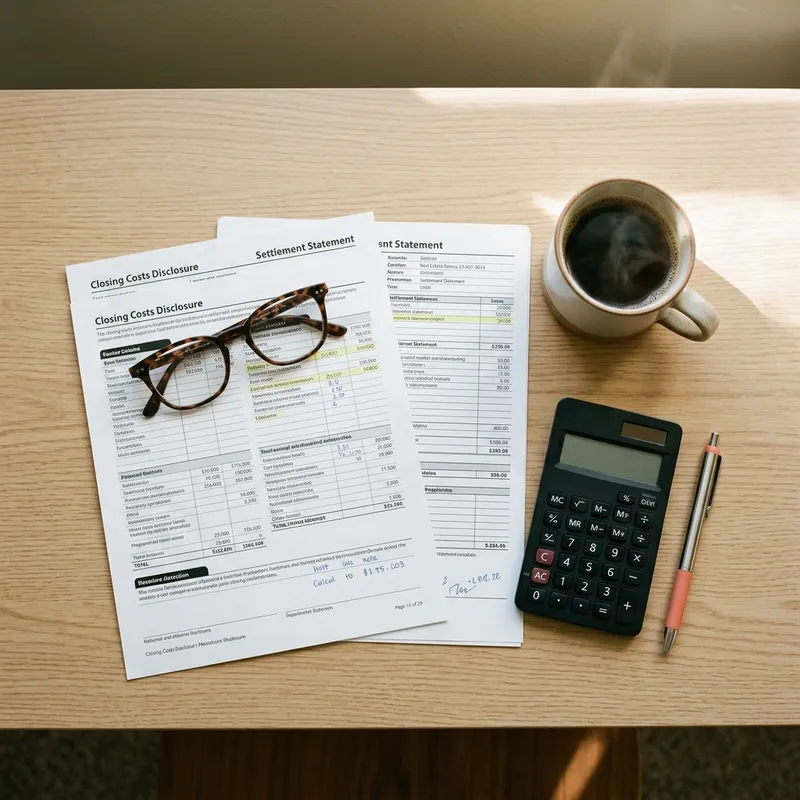
How to Reduce Closing Costs as a Buyer in Southern California
Closing costs are not entirely fixed. Several strategies can lower your total bill, some before you even submit an offer. The key is knowing which fees are negotiable and where to look for credits that directly reduce your out-of-pocket expenses.
Practical Strategies That Work
Start by shopping your mortgage with at least three lenders. Loan estimates vary significantly between institutions, and even small differences in origination fees or third-party charges add up quickly on a high-value Southern California purchase. Request a detailed Loan Estimate from each lender and compare line by line.
Timing your close date strategically also helps. Closing at the end of the month reduces the prepaid interest you owe because fewer days remain until the next payment cycle. On a $700,000 loan at 6.5%, that timing difference alone can save $500 to $1,500. Beyond lender shopping and timing, ask about buyer rebates that reduce purchase costs, which can be applied directly toward your settlement charges. Working with Ease, for example, gives buyers a 1% cash rebate at closing (up to $30,000) that can cover a significant portion of your closing costs in Orange County or anywhere across the SoCal region.
Maximizing Credits and Assistance Programs
Beyond individual negotiation, several closing cost assistance programs in California exist for first-time buyers who meet income or purchase price thresholds. County-level down payment assistance programs, CalHFA programs, and certain FHA loan structures allow sellers or builders to contribute toward your costs within regulatory limits. Stacking a builder's incentive package with a buyer agent rebate from a brokerage like Ease and a smart financing strategy creates multiple layers of savings that compound. The buyers who save the most at closing are not the ones who earn the most; they are the ones who plan the most.
Budgeting for Closing Day
Having a clear budget before you start touring model homes prevents last-minute scrambling when the settlement statement arrives. A comprehensive purchase plan should account for every dollar beyond the down payment, including reserves your lender may require after closing.
Building Your Closing Cost Estimate
A practical approach is to calculate 3% of your target purchase price as your baseline closing cost estimate, then adjust based on the specifics of your transaction. For a $950,000 new construction home in Mission Viejo, that baseline is $28,500. Factor in any Mello-Roos assessments, HOA capital fund contributions, and prepaid property taxes that the builder or escrow company will itemize in your preliminary closing disclosure.
Subtract known credits: builder incentives, lender credits from a rate buydown, and any cash back from buying a new build. If you are working with Ease, a 1% rebate on that $950,000 purchase puts $9,500 back toward your costs, dropping your effective out-of-pocket closing expenses to roughly $19,000. That kind of reduction changes the math on how much cash you need to bring to the table.
What to Expect on Closing Day
Three business days before your scheduled closing, you will receive the final Closing Disclosure from your lender. Compare every line item to the original Loan Estimate you received when you applied. Federal regulations limit how much certain fees can increase, so flag anything that jumps unexpectedly. Prepare a cashier's check or wire transfer for the exact amount listed on the disclosure, and confirm wiring instructions directly with your escrow officer by phone to avoid wire fraud. Knowing exactly what to expect on closing day for a new construction home turns a stressful milestone into a straightforward process.
Conclusion
Closing costs for buyers in Southern California are a substantial expense that deserves the same careful planning as your down payment. By understanding what each fee covers, comparing new construction versus resale cost structures, and actively pursuing builder incentives, lender credits, and buyer agent rebates, you can reduce your out-of-pocket costs by thousands of dollars. The most effective strategy is layering multiple savings sources together, from timing your close date wisely to working with a buyer-focused brokerage that negotiates on your behalf and delivers real money back at closing. Start building your closing cost budget today so the final number on your settlement statement feels expected, not overwhelming.
Frequently Asked Questions (FAQs)
What are closing costs for a buyer?
Closing costs are the fees and charges a buyer pays at settlement beyond the down payment, including lender fees, title insurance, escrow charges, prepaid taxes, and government recording fees.
How much should I budget for closing costs?
Budget 2% to 5% of the purchase price, which means $18,000 to $45,000 on a $900,000 home in Southern California depending on your lender, loan type, and negotiated credits.
Can a builder cover my closing costs?
Yes, many builders offer closing cost credits, rate buydowns, or lender incentives through their preferred financing partners, especially during promotional periods or on specific inventory homes.
Are closing costs negotiable with a builder?
Builder closing cost contributions are often negotiable, particularly when you have a buyer's agent advocating on your behalf who understands current incentive structures and community-level promotions.
How much are closing costs in Orange County?
Closing costs in Orange County typically range from $15,000 to $50,000 depending on the purchase price, with the average falling around 2.5% to 3.5% of the home's sale price.
What are typical closing costs in Southern California?
Typical closing costs in Southern California include loan origination fees, appraisal fees, title insurance, escrow fees, prepaid property taxes, homeowners insurance, and any applicable Mello-Roos or HOA fees.
What closing costs can the seller pay?
Sellers can pay for title insurance, escrow fees, transfer taxes, and a portion of the buyer's closing costs as negotiated concessions, though lender guidelines cap how much the seller can contribute based on loan type.
