

 By Ryan Borden
Quick Answer
Yes, FHA and VA loans can finance a newly built Southern California home, but the builder, construction stage, and required inspections must align before you sign. FHA may require HUD inspection documentation for homes still being built, while VA financing can require a VA appraisal, wood-destroying insect information in California, and builder paperwork.
Introduction
An FHA loan new construction purchase or VA home loan can work when the builder accepts the financing and the home meets program property requirements. The key is confirming approval before selecting a lot, floor plan, or upgrades, because a builder’s preferred lender and contract timeline may not accommodate every loan path. Buyers should also separate a completed spec home from a home still under construction, since the documentation can change materially. That distinction often determines whether the deal stays straightforward or needs extra coordination.
Key Takeaways
Confirm FHA or VA acceptance with the specific builder before reserving a home.
Construction completion status affects inspection, appraisal, and documentation requirements.
Build financing contingencies and lender review time into the builder contract.

FHA Loan New Construction Requirements in Southern California
FHA financing can be practical for a newly built home, but it is not simply conventional financing with a lower down payment. The home must satisfy HUD property requirements, and the lender must determine what construction evidence is needed at the point of application.[1] A nearly finished spec home is usually easier to document than an early-stage build with unfinished systems and pending site work.
How FHA documentation changes with construction progress
For homes that are still under construction, FHA’s process can involve HUD-approved inspections and construction-stage documentation rather than relying only on a final appraisal. When a home is substantially complete or has a certificate of occupancy, the lender may be able to use appraisal-focused documentation instead, subject to lender underwriting. Ask the builder whether the projected completion date leaves enough time for the lender’s required review.
Early build: Expect more construction documentation and inspection coordination.
Near completion: Appraisal documentation may be more straightforward.
Certificate of occupancy: Signals the home has reached a key completion milestone.
Final walk-through: Record unfinished items before closing documents are released.
FHA affordability checks that matter before a builder contract
FHA’s lower-entry-cost appeal is real, but buyers still need to qualify for the complete payment and fit within applicable loan limits. FHA eligibility depends on credit, down payment, debt, and lender underwriting standards. Ask your lender to confirm the current requirements and any overlays that apply to the specific new-construction transaction.
FHA loan limits and mortgage-insurance costs vary by county and current program rules, so compare the full projected payment rather than focusing only on cash due at closing. Buyers reviewing loan options should ask their lender to model mortgage insurance, taxes, HOA dues, and builder-selected upgrades together.

VA Loan for New Construction: Property and Builder Requirements
A VA loan for new construction is available to eligible borrowers, but the property must meet VA property standards and the transaction must satisfy the lender’s VA process. A Certificate of Eligibility establishes entitlement, but it does not replace appraisal, construction, or builder documentation. In practice, the loan team needs clarity on the home’s completion status, the builder’s paperwork, and the date the property can be appraised.
What the VA appraisal and inspection process can involve
The VA appraisal checks both value and whether the property appears to meet VA requirements, but it is not a substitute for a buyer’s own inspection. California is among the states where wood-destroying insect information is required statewide, so termite-related documentation can become part of the timeline.[2] If the VA appraiser identifies property concerns, the builder may need to address them before the lender can clear the file for closing.
Buyers should schedule independent new construction inspections even when the builder provides warranties or municipal approvals. The VA appraisal protects the loan program’s minimum property standards, while an independent inspector can flag workmanship, drainage, appliance, safety, or incomplete-punch-list issues that deserve attention before the final walk-through.
VA paperwork and builder readiness
Ask the lender whether the builder needs a VA builder identification number, what documents the lender needs, and whether the proposed closing date allows time for appraisal assignment and corrections. A builder may accept VA financing generally but still require extra lead time for an unfinished home. VA pre-approval for a new home should include the community name, estimated completion status, sales contract deadline, and any builder financing incentives under consideration.
VA financing can offer a zero-down option for eligible veterans, but it does not erase underwriting or property-condition requirements. Buyers using VA benefits to finance a new construction home should also confirm whether the loan structure matches the builder’s sale process, rather than assuming the program works identically for a completed spec home and a dirt-start build.
FHA, VA, and Conventional Financing at Different Build Stages
FHA, VA, and conventional loans can all finance builder inventory, but each program treats property readiness and underwriting conditions differently. Conventional financing may have fewer program-specific property reviews, yet the actual timeline still depends on the lender, appraisal availability, builder contract, and whether the home is ready for closing. The comparison below helps buyers frame the questions that matter before committing.
Compare the financing paths before selecting a home
This table focuses on transaction mechanics, not a promise that any lender or builder will approve a particular file.
Factor | FHA | VA | Conventional |
|---|---|---|---|
Property standard | HUD property standards | VA property requirements | Lender and investor requirements |
Early-stage construction | May need inspection-based documentation | May need appraisal and builder documentation | Terms vary by lender |
Termite documentation | Depends on lender and property findings | Required statewide in California | Depends on lender and contract |
Buyer cash structure | 3.5% down at a 580 score benchmark | Zero-down option for eligible veterans | Program-specific down payment rules |
Builder coordination | Confirm FHA acceptance early | Confirm VA process and paperwork early | Confirm approved-lender rules early |
The practical takeaway is simple: a move-in-ready home removes some construction uncertainty, while an unfinished home requires more coordination regardless of loan type. Buyers should treat the appraisal date, inspection date, completion date, and contract closing date as connected milestones.
Why builders may prefer simpler financing timelines
Builders in competitive Southern California communities may favor contracts that fit their preferred lender process and scheduled closing calendar. That does not mean FHA or VA loans are unavailable, but it does mean buyers need direct answers before paying a deposit. California buyers should review new-home contract disclosures carefully, especially provisions covering financing, deposits, completion timing, cancellations, upgrades, and repair procedures.[3]
Ease helps buyers evaluate new construction financing alongside the builder’s incentives and contract terms. That buyer-side review matters when a lender approval appears solid but the builder has not confirmed its willingness to work through FHA or VA conditions.
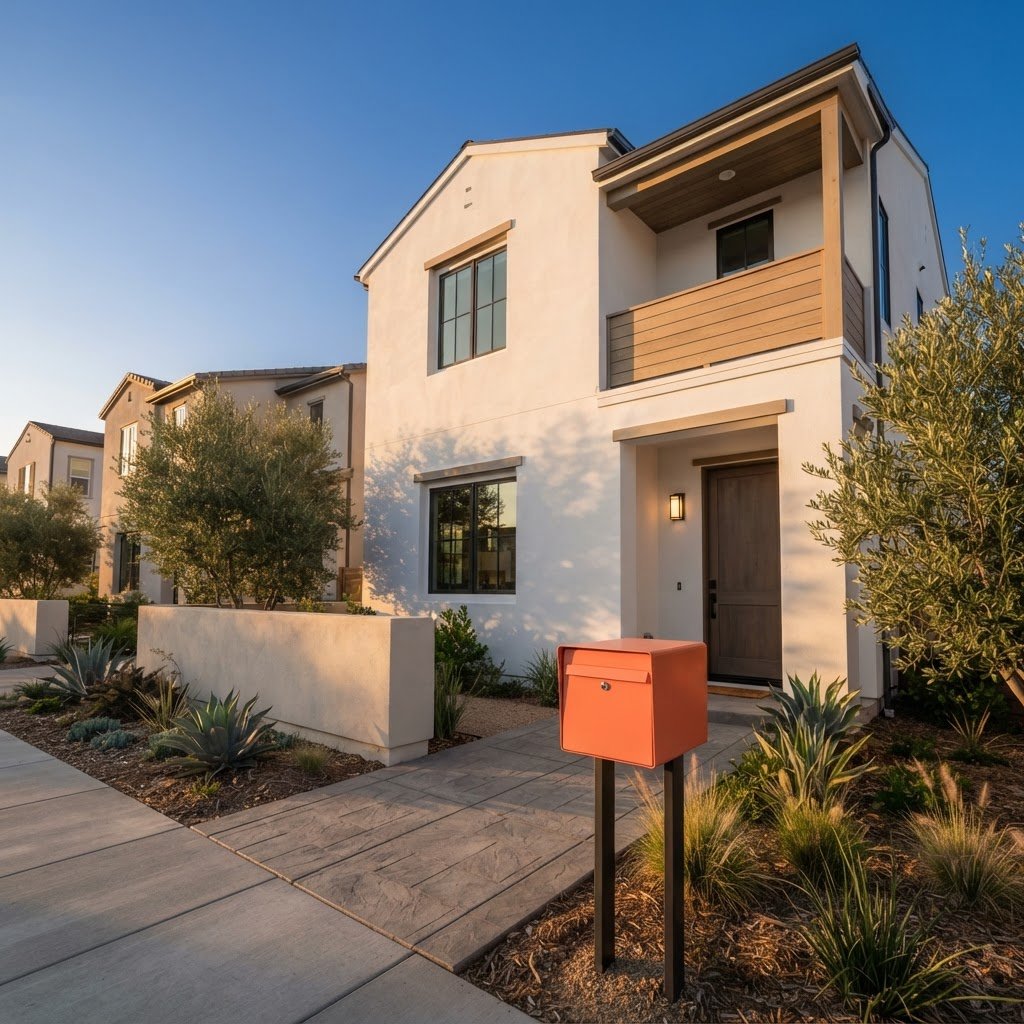
How to Vet a SoCal Builder Before You Commit
Start the financing conversation before touring a model home for the second time. Ask the sales representative whether the exact community accepts FHA and VA loans, whether any homes are excluded, and whether the preferred lender handles those programs. Then ask your lender to review the anticipated completion stage and flag documents that must come from the builder.
Questions that prevent a mid-contract surprise
Ask whether the home will be complete when appraisal is ordered, whether the builder has experience providing FHA or VA documentation, and whether a termite report will be available on the lender’s schedule. Also ask whether builder incentives apply when you use an outside lender, because an incentive can be tied to the builder’s financing affiliate. These questions are more useful than a generic statement that a community “accepts VA.”
Buyers considering the mortgage process for new construction details should request every deadline in writing. A builder’s verbal expectation about completion is helpful, but the purchase agreement controls the financial consequences of a delayed appraisal, inspection finding, or loan-condition request.
Keep the financing plan realistic
Do not assume builder incentives will offset every cost, because incentives, rate buydowns, upgrades, and closing-cost credits vary by community and contract. For FHA construction lending, a contingency reserve may be required to address cost overruns, although buyers purchasing completed builder homes may not manage that reserve directly. Ease can help buyers assess builder terms, negotiation points, and the actual cost picture before the contract locks them into a rushed decision.
Conclusion
FHA and VA loans can work for new construction in Southern California, provided the builder accepts the financing and the property can meet the program’s documentation and inspection conditions. FHA buyers should confirm how complete the home is and whether HUD-related inspection documentation applies, while VA buyers should plan for appraisal, California wood-destroying insect information, and builder paperwork. Get written confirmation from both the builder and lender before reserving a home, then keep contract dates aligned with appraisal and completion milestones. For buyers who want representation while sorting through those moving parts, Ease is a buyer-focused option for navigating builder negotiations and financing conversations.
Want a clearer view of your builder contract and financing path? connect with Ease before you commit to a new home.
Frequently Asked Questions (FAQs)
Can I use a VA loan for a new construction home?
A VA loan can finance a new construction home when the borrower is eligible, the builder and lender can provide required documentation, and the completed property meets VA property requirements during the appraisal and underwriting process.
Can I use an FHA loan for a new construction home?
An FHA loan can finance a new construction home when the property meets HUD property standards and the lender receives the inspection or appraisal documentation required for the home’s construction stage.
How does a VA loan work for new builds?
A VA loan for a new build works by combining the borrower’s eligibility and lender underwriting with an appraisal, property-condition review, builder documentation, and any California wood-destroying insect information required for the transaction.
Are there specific VA loan restrictions for new construction projects?
VA new construction restrictions focus on the property meeting minimum requirements, the lender obtaining acceptable builder and completion documentation, and the appraisal process confirming the home is ready for VA financing.
How does a VA loan compare to conventional loans for new builds?
A VA loan has program-specific eligibility and property requirements, while conventional loan requirements vary by lender, but both can face timing issues when construction, appraisal, lender conditions, and the builder’s closing schedule do not align.
Does a builder need VA certification to accept a VA loan?
A builder may need to supply VA-related identification or documentation through the lender’s process, so buyers should ask the lender and builder early whether the community is prepared for the required approval steps.
How can I find out if a builder accepts FHA or VA financing in Southern California?
You can confirm FHA or VA acceptance by asking the builder’s sales office about the exact community and home, then having your lender verify the construction stage, documentation needs, incentive rules, and closing timeline in writing.