

 By Khalief Brown
Quick Answer
In California, the owner typically pays the association's charge for requested statutory resale disclosure documents, while other transfer-related charges may be allocated by contract. The amount is not fixed statewide because associations may charge reasonable actual costs for preparing and delivering required records, and a resale package can run $1,200 or more, as with the City Heights Condos example below.
Introduction
An HOA transfer fee can affect your closing costs, but it is often confused with monthly dues, move-in charges, or builder-required deposits. California law places responsibility for required resale disclosure documents on the seller, yet a purchase agreement can allocate other association charges differently. This distinction matters most in communities with layered master and neighborhood associations. Buyers considering HOA transfer fees should ask for a line-item estimate before removing contingencies.
Key Takeaways:
- Sellers generally pay required California HOA resale document charges.
- Transfer-related costs vary by association and requested document package.
- Buyers should verify HOA charges before signing final escrow documents.
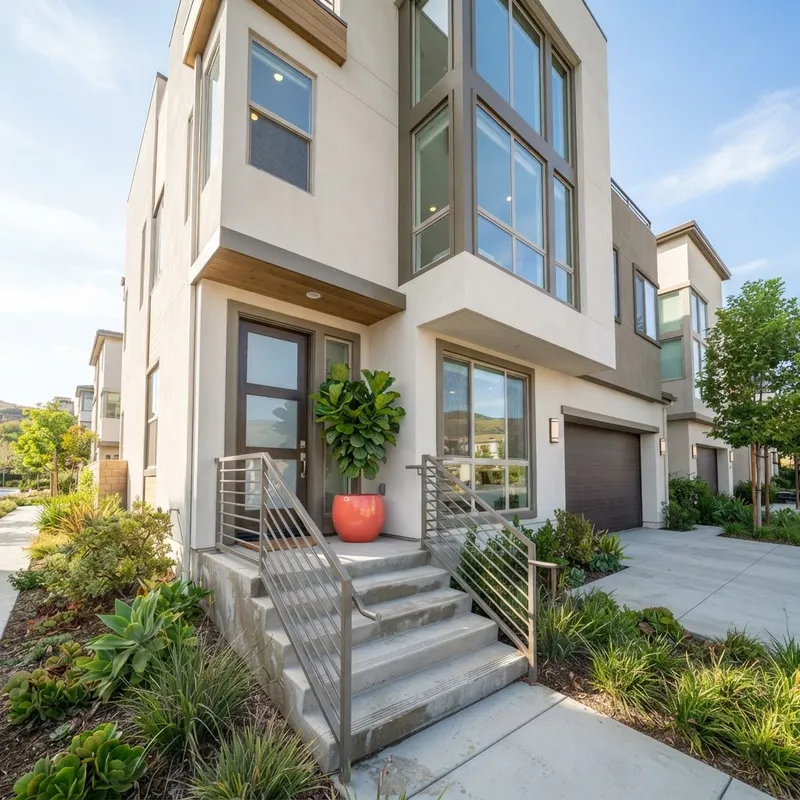
HOA Transfer Fee Responsibility in California
The key distinction is between legally required resale disclosures and other charges that may appear during a change of ownership. Civil Code Section 4525 sets the seller's duty to provide specified association information to a prospective purchaser as soon as practicable before title transfers or a sales contract is executed. It is Section 4530, not Section 4525, that requires the association to deliver the requested documents to the seller within 10 days of a written request. The seller usually starts that request because the association provides the records to the owner or an authorized recipient.
Who Usually Pays the Required Disclosure Package?
The seller is responsible for compensating the association, manager, or document provider for the required documents under Civil Code Section 4530. On written request, the association must provide the requested Section 4525 documents within 10 days, and it may charge a reasonable fee based on actual preparation, reproduction, procurement, and delivery costs.
- Seller responsibility: Required resale disclosure documents are seller-paid.
- Buyer review: Buyers receive documents for due diligence before closing.
- Electronic delivery: Associations cannot add a delivery fee for electronic records.
- Contract allocation: Other ownership-change charges can be negotiated in escrow.
Which Charges Can Appear Beyond the Resale Package?
Escrow statements can include document preparation, change-of-ownership administration, move-in requirements, and prorated assessments, but these are not interchangeable. HOA disclosure documents should identify who bears each cost, while the purchase contract determines whether a separately listed transfer charge shifts from the customary allocation. A buyer should not assume that a charge labeled “HOA” belongs to either party without reviewing its purpose.
For a resale, the seller’s disclosure duty is the clearest legal baseline. For charges outside that document package, the escrow officer, buyer’s agent, and contract language determine the final allocation.

HOA Fees New Construction Buyers Should Verify
New construction HOA fees can follow a different workflow because a builder, rather than an individual seller, controls the initial sale documents and contract terms. Builders may establish the association, appoint management during early phases, and define buyer obligations in the purchase agreement, so buyers need the complete cost schedule before signing.
Resale Versus New Construction HOA Costs
Resale and builder sales both require careful review, but they begin with different parties and documents. In a resale, existing association records and a seller-requested package drive the transfer process; in a new build, the builder’s contract and initial HOA materials set the framework.
The comparison below separates obligations rather than assigning unsupported standard prices. It helps buyers identify which records need confirmation before escrow reaches its final stage.
| Transaction type | Primary document source | Required disclosure cost | Buyer action |
|---|---|---|---|
| Resale HOA home | Seller requests association documents | Seller compensates the provider for required documents | Review financials, rules, and listed transaction charges |
| New construction HOA home | Builder contract and HOA materials | Set by applicable contract and association requirements | Request every fee and move-in requirement in writing |
Source data verified as of October 6, 2026.
The practical takeaway is simple: a resale disclosure charge has a statutory seller-responsibility framework, while a new construction transaction must be read through its builder contract and current association documents.
How Much Can HOA Transfer Paperwork Cost?
There is no statewide flat rate for HOA transfer paperwork in California. Published fees can vary substantially by association and document provider, and City Heights Condos reportedly charges over $1,200 for its resale package. Those examples show why a home with multiple associations can require a larger escrow reserve than buyers expect.
California permits reasonable actual-cost charges for required records under Civil Code Section 4530, not an added electronic-delivery charge. HOA document fees should also be separately stated and billed from other transfer or sales transaction charges. For a lower-fee planning perspective, review these strategies for keeping HOA fees low alongside the association's current documents.
What to Request Before You Commit
Ask for the association’s governing documents, budget, reserve information, current assessments, pending special assessments, insurance information, and the complete transaction-fee schedule. Focus on items in the Closing Disclosure checklist that affect cash to close, then compare them with the purchase agreement and escrow instructions. The most useful question is not whether an HOA charge exists, but who imposed it, what it covers, and which party agreed to pay it.

How Buyers Can Avoid Last-Minute HOA Costs
Start due diligence before the contingency period closes, not when the final settlement statement arrives. Request the package early, compare the association’s itemized invoice against the contract, and preserve written confirmation of any negotiated credit. California associations must furnish requested documents within 10 days of a written request, which gives buyers a practical timing benchmark for tracking the file.
Use Escrow to Confirm the Payor and Amount
Ask escrow for a preliminary fee breakdown that distinguishes monthly assessments, resale disclosures, transfer administration, and prepaid items. Reviewing what to expect from escrow before closing helps buyers spot a cost that has been placed on the wrong side of the ledger before it becomes a funding-day dispute.
For buyers purchasing new construction homes in Southern California, Ease can help interpret builder paperwork, negotiate terms, and identify costs that should be addressed before a contract becomes final. Ease also provides eligible buyers with a 1% cash rebate at closing, up to $30,000, which may be applied toward closing costs.
Read the Rules That Affect Ownership After Closing
Transfer charges are only one piece of the ownership picture. Review HOA fees for new construction, architectural restrictions, rental rules, maintenance boundaries, and enforcement procedures so the community’s homeowners association rules match the way you intend to use the property.
Conclusion
California sellers generally pay for the required HOA resale disclosure package, but buyers should verify every separate association charge and never rely on a generic label in escrow. Request documents early, identify each fee’s purpose, and match the invoice to the purchase contract before funds are wired. For a builder purchase, contract terms and association materials deserve the same close review because initial-sale charges can be structured differently. For Southern California buyers seeking representation through that process, Ease can help review the financial picture and negotiate builder terms.
Want clearer guidance on new construction costs? Connect with Ease before signing your builder contract.
Frequently Asked Questions (FAQs)
Who pays HOA transfer fees in California?
Who pays HOA transfer fees in California depends on the charge, but the seller is responsible for compensating the association or provider for the required Civil Code Section 4525 resale documents, while separate administrative or contractual charges may be allocated differently in the purchase agreement.
How much are HOA transfer fees in California?
How much HOA transfer fees are in California varies by association because the required-document charge is based on reasonable actual preparation and delivery costs, with a reported resale package exceeding $1,200.
How do I find out if a house has an HOA?
To find out if a house has an HOA, ask the seller, listing agent, builder, or escrow officer and review preliminary title materials, because association obligations, assessment information, and governing documents should be identified during the transaction.
What does an HOA cover in new construction?
What an HOA covers in new construction is defined by its governing documents and budget, which may assign maintenance, amenities, insurance responsibilities, architectural review, or shared services differently across neighborhoods and master-planned communities.
Can an HOA prevent me from making changes to my new home?
An HOA can prevent certain changes to a new home when its recorded rules require architectural approval or prohibit the proposed modification, so buyers should review design standards, application procedures, and enforcement provisions before planning exterior work.
Is it worth buying a house with an HOA in Southern California?
Whether it is worth buying a house with an HOA in Southern California depends on the association’s costs, restrictions, financial condition, and services, so the decision should follow a review of documents rather than an assumption based only on the monthly assessment.
About the Author
Khalief Brown is a real estate strategist and licensed broker with 12 years of experience in Southern California real estate. As a Partner at Sanctuary, he focuses on buyer rebates, rate buydowns, upgrade negotiation, new home communities, and market trends that shape a buyer’s financial outcome.
