

 By Marcus Webb
Introduction
Buying a new construction home in Southern California is a significant financial milestone, but the decisions made during and after the purchase directly shape how much that home appreciates over time. New home resale value depends less on luck and more on a series of strategic choices, from the upgrades selected at the design center to the neighborhood's growth trajectory and the quality of buyer representation at the negotiation table. Buyers in competitive markets like Irvine, Rancho Cucamonga, and Anaheim have a real opportunity to build long-term equity if they approach the process with an investor's mindset. The difference between a home that appreciates strongly and one that stagnates often comes down to decisions made in the first 90 days of ownership.
Key Takeaway: To maximize new build home appreciation, focus on high-ROI upgrades, choose neighborhoods with strong growth indicators, secure favorable purchase terms through skilled negotiation, and maintain the home's condition from day one.
Strategic Upgrades That Protect and Grow Value
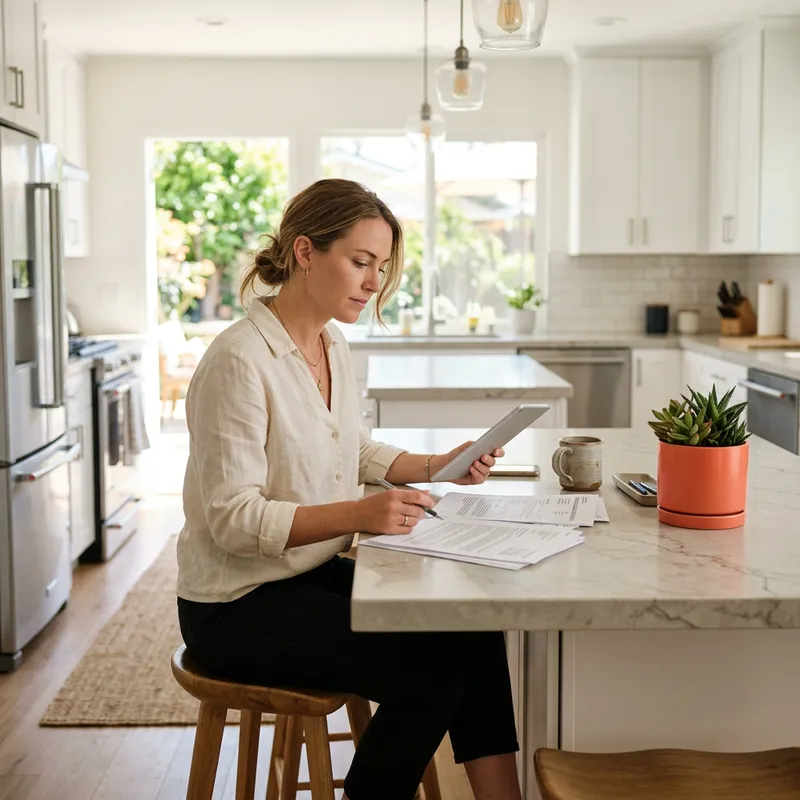
Not all builder upgrades are created equal. Some add real, appraised value to a home, while others are cosmetic choices that feel premium but contribute little when it comes time to sell. Understanding which upgrades move the needle on new construction home value is one of the most impactful things a buyer can do before signing off at the design center.
Upgrades That Deliver the Highest ROI
The upgrades that appraisers and future buyers care about most are structural and functional improvements that would be expensive or impossible to add after the home is built. According to home value research, kitchens and bathrooms consistently deliver the strongest returns. Focus spending on categories that create lasting value rather than trendy finishes that date quickly.
Kitchen and bathroom upgrades: Quartz countertops, upgraded cabinetry, and premium fixtures consistently appraise higher and attract stronger offers at resale.
Flooring throughout: Hardwood or luxury vinyl plank across main living areas eliminates a major renovation expense for future buyers, making the home more competitive.
Energy efficiency additions: Solar panel pre-wiring, tankless water heaters, and upgraded insulation reduce utility costs and appeal to environmentally conscious buyers.
Lot premium selection: Corner lots, cul-de-sac positions, and homes backing to open space or parks carry premiums that tend to grow over time.
Structural additions: Extra square footage through a loft conversion, expanded garage, or additional bedroom adds measurable appraised value that cosmetic upgrades cannot match.
Upgrades to Approach with Caution
Overspending at the design center is one of the most common pitfalls for new construction buyers. Builder design centers are engineered to upsell, and it is easy to walk out having committed an extra $80,000 to $120,000 in upgrades that will never return dollar-for-dollar at resale. Highly personalized choices like bold accent walls, ultra-specific tile patterns, or top-tier appliance packages beyond what the neighborhood supports can actually narrow the pool of future buyers. The smarter approach is to negotiate builder upgrades strategically by investing in items that are difficult to retrofit and keeping decorative elements neutral enough to appeal broadly. Buyers who understand the difference between value-adding and value-neutral upgrades protect their equity from the start.
Location, Builder Reputation, and the Bigger Picture
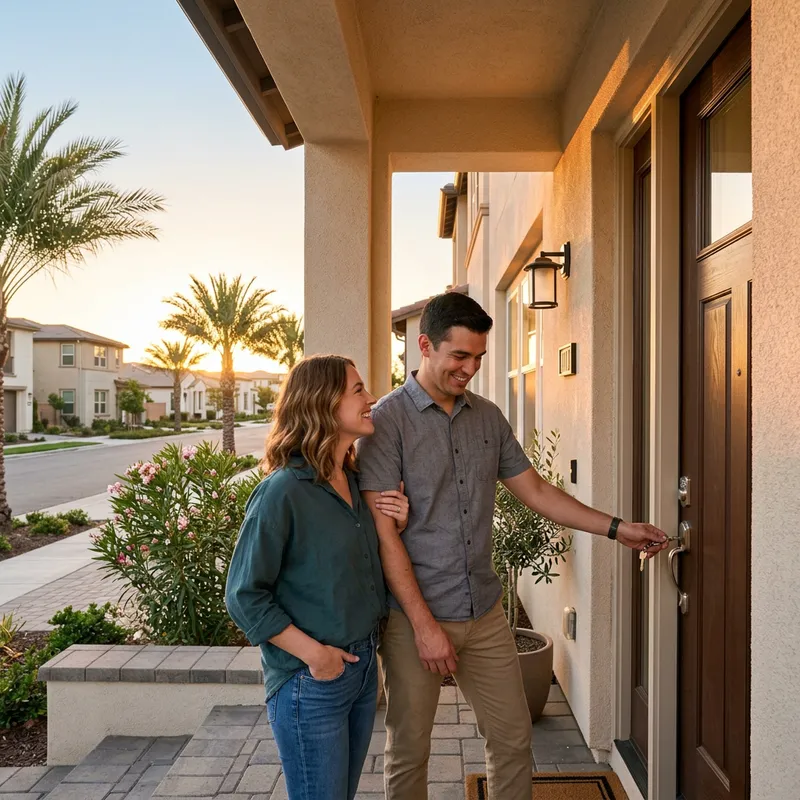
Upgrades matter, but they operate within the context of location and builder quality. A perfectly upgraded home in a stagnant neighborhood will underperform a modestly upgraded home in a high-growth corridor. Thinking about new construction homes in Southern California as long-term investments means evaluating the full picture before committing.
Evaluating Neighborhood Trajectory and Market Position
The strongest new build home appreciation happens in neighborhoods where infrastructure investment, school quality, and employment centers are actively expanding. In Southern California, areas like Irvine continue to attract premium pricing because of top-rated school districts, corporate headquarters, and master-planned community amenities. Meanwhile, new construction investment opportunities in communities across Rancho Cucamonga and the Inland Empire are drawing buyers priced out of coastal Orange County, creating strong demand fundamentals.
Before purchasing, research the California housing market trends for the specific zip code, not just the broader metro area. Look at year-over-year price growth, days on market for resales in the same community, and planned commercial or transit developments within a five-mile radius. A neighborhood with a new freeway interchange, retail center, or school under construction signals rising demand that will lift property values over the next five to ten years.
Why Builder Reputation Directly Affects Resale
Builder reputation is a resale factor that many first-time buyers overlook entirely. Homes built by nationally recognized builders with strong warranty programs and quality track records command higher resale prices than homes from lesser-known developers. Future buyers and their agents will research the builder before making an offer, and a history of construction defect lawsuits, HOA disputes, or poor build quality can suppress offers by 5% to 10%. Take time to evaluate new home builder quality before committing. Review warranty terms carefully, because comprehensive new home warranty coverage signals that a builder stands behind their product, which translates directly into buyer confidence at resale.

Conclusion
Maximizing the resale value of a newly built home starts with treating every decision, from lot selection to upgrade choices to builder negotiation, as a long-term investment rather than a short-term preference. Buyers who focus on high-ROI upgrades, choose neighborhoods with strong growth indicators, and secure favorable terms through dedicated buyer representation consistently come out ahead when it is time to sell. Working with a buyer-focused brokerage like Ease gives Southern California buyers the negotiation leverage and market insight needed to make smarter choices from day one. The homes that appreciate the most are not always the most expensive; they are the ones purchased with the clearest strategy.
Frequently Asked Questions (FAQs)
What is a good resale value for new construction?
A strong benchmark is 3% to 5% annual appreciation in Southern California markets, though homes in high-demand areas like Irvine or Mission Viejo can exceed that range when purchased with the right upgrades and lot positioning.
How much does new construction appreciate?
New construction typically appreciates 15% to 25% over the first five years in growing Southern California submarkets, depending on location quality, builder reputation, and how well the home was upgraded relative to the community.
Why do new homes lose value?
New homes lose value when buyers overpay for cosmetic upgrades that do not appraise well, purchase in oversupplied communities where builders undercut resale prices with ongoing incentives, or neglect maintenance during the critical first years of ownership.
Is new construction a good investment?
New construction is generally a strong investment when purchased in a high-growth market with favorable terms, because modern building codes, energy efficiency, and lower maintenance costs give new builds a competitive edge over older resale inventory.
How do new construction upgrades affect resale value?
Structural and functional upgrades like additional square footage, premium flooring, and kitchen improvements typically return 60% to 80% of their cost at resale, while purely decorative upgrades often return less than 30%.
New construction vs resale homes: which holds value better?
New construction homes in desirable Southern California neighborhoods tend to hold value better over the first decade due to modern systems, warranties, and energy efficiency, though resale homes in established neighborhoods with mature landscaping and proven appreciation histories can compete closely.
What are builder incentives for new homes?
Builder incentives commonly include rate buydowns, closing cost credits, free upgrade packages, and price reductions, but buyers should understand how these builder incentives compare to buyer rebates to ensure they are getting the strongest overall financial outcome.
