
 By Rachel Torres
Introduction
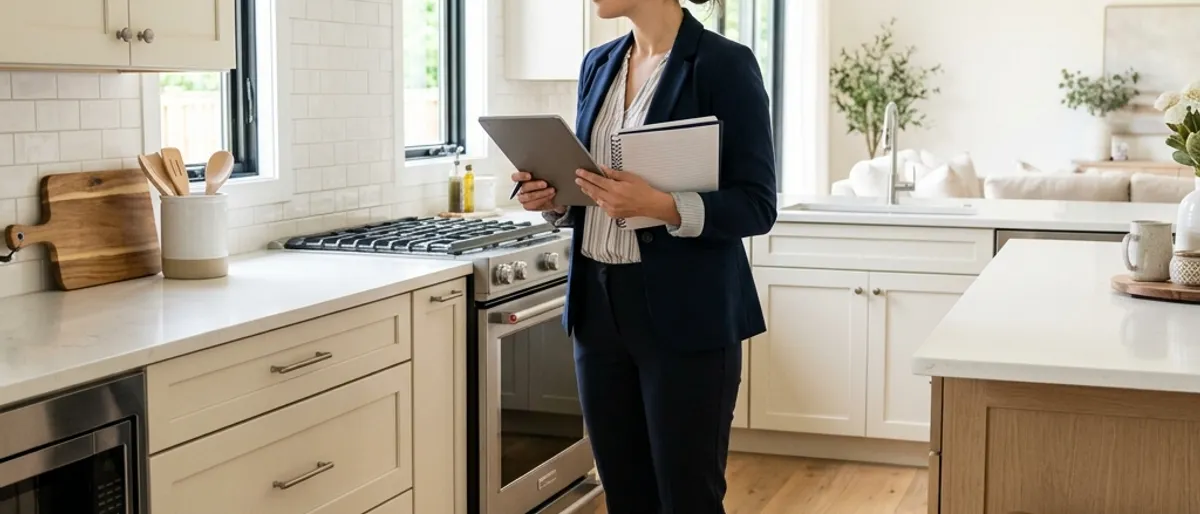
A model home visit is one of the most exciting steps in the new construction home buying process, but it can also be one of the most misleading. Builders spend tens of thousands of dollars staging model homes with premium upgrades, designer furniture, and curated lighting designed to sell a lifestyle rather than show you what you are actually purchasing. For buyers exploring new construction homes in Southern California, from Irvine to Rancho Cucamonga, knowing what to evaluate critically during a model home tour separates confident buyers from those who end up surprised at closing. The good news is that a few simple strategies can turn any walkthrough into a genuinely productive research session.
Key Takeaway: Focus on identifying which features are standard versus upgraded, evaluate construction quality beyond surface staging, and bring a buyer's agent so you have someone in the room working exclusively for your interests.
Evaluating What You Actually See
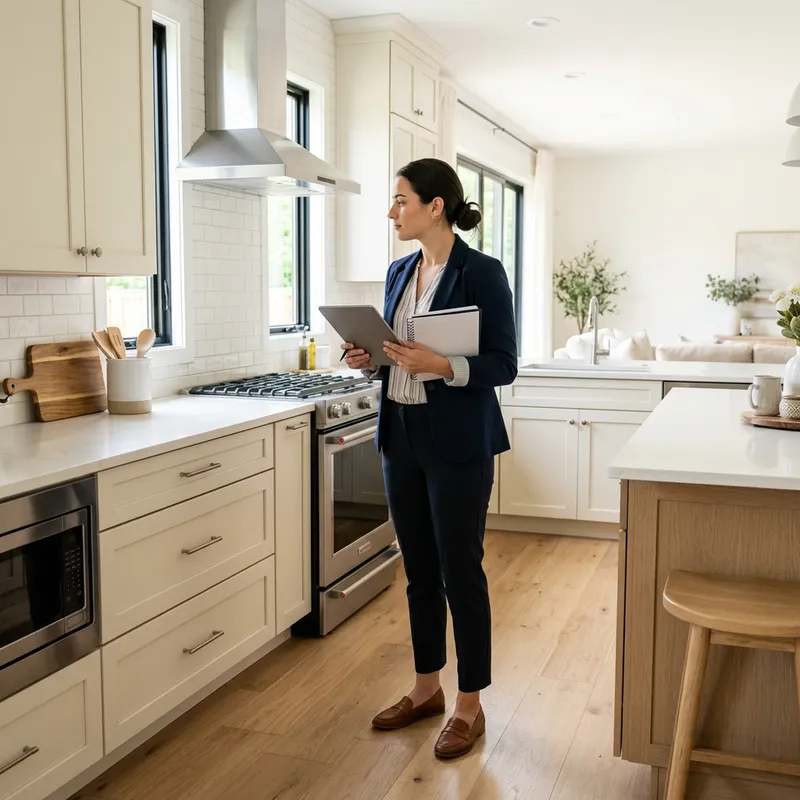
Every model home is designed to look its absolute best, which means the version you walk through rarely reflects what your home will look like at the base price. Training yourself to look past the staging and focus on structural and material quality is the single most important skill you can bring to visiting model homes.
Spotting Standard Finishes Versus Costly Upgrades
Builders typically display model homes with a full suite of upgrades, often adding $50,000 to $150,000 worth of premium selections to the base price. Your job is to identify exactly which features come standard and which will cost extra. Ask the sales representative for a printed spec sheet showing standard builder-grade finishes versus upgraded options, and compare it to what you see in front of you. Here are the areas where upgrades are most commonly disguised as standard:
Flooring: Model homes often showcase hardwood or luxury vinyl plank throughout, while the base package may include carpet in bedrooms and basic tile in wet areas
Countertops: Quartz or natural stone surfaces in the model frequently replace the standard laminate or lower-grade granite included at the base price
Cabinetry: Soft-close drawers, extended uppers, and custom hardware are common upgrades that look like they belong but add thousands to your total
Lighting and plumbing fixtures: Recessed lighting packages, pendant fixtures, and upgraded faucets are almost always add-ons rather than included features
Landscaping and outdoor finishes: Upgraded patios, built-in BBQ areas, and mature landscaping in the model yard rarely come with your purchase
Assessing Construction Quality Beyond the Surface
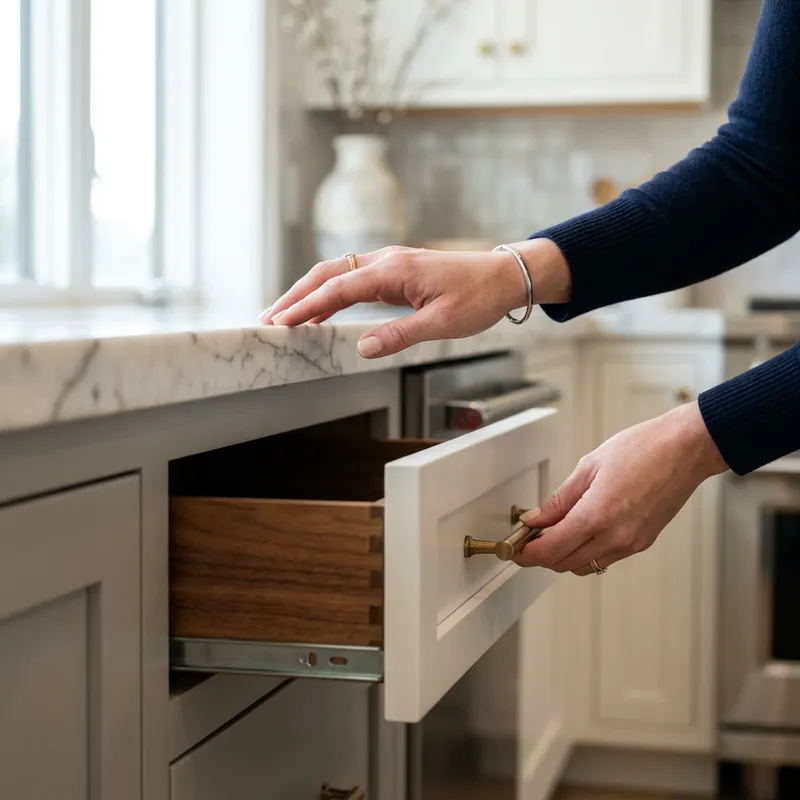
Once you know which features are upgrades, shift your attention to the things staging cannot hide. Open and close every door and cabinet to check alignment and hardware quality. Run your hand along wall surfaces to feel for uneven textures or patching that suggests rushed drywall work. Check window seals, baseboard joints, and the transitions between flooring materials. These details reveal a builder's actual craftsmanship and construction quality far more accurately than the staged living room ever will. Pay special attention to the garage, laundry room, and secondary bathrooms, spaces builders invest less in staging but where true build quality is most visible.
Navigating the Sales Process Strategically
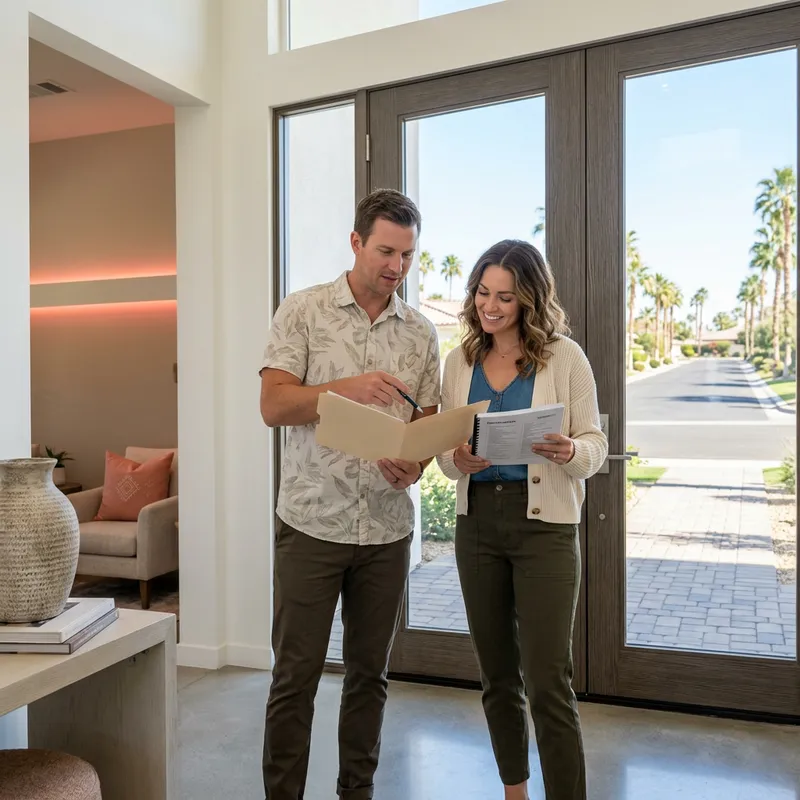
The physical space is only half of what matters during a model home visit. The other half is understanding the sales environment you are stepping into and knowing how to protect your interests from the moment you walk through that door.
Builder Sales Office Versus Buyer's Agent Representation
One of the biggest misconceptions in new construction is that the friendly sales representative at the builder sales office is there to help you. They work for the builder, not for you. Their compensation is tied to selling homes at the highest possible price with the most profitable upgrade packages. A new construction buyer agent, by contrast, has a fiduciary duty to represent your interests in every conversation, negotiation, and builder contracts explained line by line."
The following table breaks down the practical differences between these two dynamics so you can see exactly what changes when you bring professional representation.
Factor | Builder Sales Rep | Buyer's Agent |
|---|---|---|
Works for | The builder | You, the buyer |
Negotiation goal | Maximize builder profit | Maximize buyer value |
Upgrade guidance | Encourages all upgrades | Advises on ROI and necessity |
Contract review | Uses builder's standard terms | Reviews and flags unfavorable clauses |
Incentive transparency | Shares what benefits the builder | Uncovers all available incentives |
Cost to buyer | No direct cost (built into price) | Typically paid by builder commission |
The takeaway is straightforward: the sales rep's job is to close, while a buyer's agent's job is to protect. Having representation does not slow the process down. It ensures that someone at the table is reading the fine print and negotiating builder upgrades on your behalf rather than letting the builder set every term.
Questions That Reveal What Builders Do Not Volunteer
Builder sales representatives are trained to guide the conversation toward features that look impressive. Your goal is to redirect toward details that actually affect your financial outcome and daily life. Ask what the community amenities and HOA fees will look like once the development is fully built out, not just during the sales phase. Request the complete list of what is included at the base price versus what requires an upgrade selection. Ask about the builder's warranty coverage, the timeline for construction, and whether pricing is firm or whether there is flexibility, especially in new construction communities across Southern California where inventory and demand fluctuate seasonally.
Ask about the lot itself, not just the floor plan. Proximity to main roads, power lines, retention basins, and future construction phases can all impact your daily experience and resale value. Many buyers visiting model homes in Orange County or Irvine forget to ask about builder contract terms like deposit structures, cancellation policies, and whether the builder offers rate buydowns or closing cost credits. These are the questions that separate prepared buyers from those who sign on emotion.
Conclusion
Walking into a model home with a plan changes everything about the experience. Focus on distinguishing standard features from upgrades, inspect build quality in unstaged spaces, and bring a list of financial and structural questions the sales representative will not volunteer answers to. Working with a buyer-focused brokerage like Ease means you have someone in your corner from that very first model home tour through closing day, helping you avoid common new construction mistakes and negotiate real value. The more prepared you are before you step through that front door, the stronger your position will be when it is time to make an offer.
Frequently Asked Questions (FAQs)
What questions should you ask at a model home?
Ask for a complete spec sheet showing base-price inclusions versus upgrades, request the HOA fee schedule, inquire about construction timelines, and ask whether the builder offers rate buydowns or closing cost incentives.
How do you avoid builder sales tactics during a model home tour?
Bring a buyer's agent who represents your interests, request written documentation for every claim the sales rep makes, and avoid signing any registration forms or agreements without reviewing them first.
Can you negotiate with home builders on price or upgrades?
Yes, builders frequently negotiate on upgrades, closing cost credits, and rate buydowns, especially when inventory is sitting or a phase is nearing completion, and a skilled buyer's agent can identify exactly where flexibility exists.
What are builder incentives in new construction?
Builder incentives are discounts or perks, such as free upgrades, closing cost contributions, or mortgage rate buydowns, offered to attract buyers and move remaining inventory within a community or phase.
What is typically included in a new construction upgrade package?
Upgrade packages usually cover flooring material changes, countertop selections, cabinet hardware, appliance tiers, lighting fixtures, and outdoor features, all priced individually or bundled at a markup over the base specification.
Are model homes in Irvine open to the public?
Most Irvine new construction model homes are open to the public during posted hours without an appointment, though some communities may require registration or have limited availability during pre-sale phases.
Is it better to use a buyer's agent for new construction versus going alone?
A buyer's agent provides contract review, negotiation leverage, and incentive transparency that the builder's sales representative is not obligated to offer, making professional representation consistently the stronger choice for protecting your financial interests.
