

 By Rachel Torres
Introduction
New construction pricing in California is negotiable, just not in the way most buyers expect. Builders rarely cut the base price because it sets the value of every future home in the community, but they routinely offer flexible levers like rate buydowns, design center credits, and closing cost coverage. In 2026, with steady inventory across Southern California and builders eager to hit quarterly sales targets, those levers are wider open than they have been in years. The buyers who capture the most value are the ones who understand where the flexibility actually lives before they ever walk into a sales office.
Key Takeaways:
Builders protect base prices but negotiate incentives, upgrades, rate buydowns, and closing costs.
The builder's sales rep works for the builder, so buyers need their own independent representation.
Professional representation in 2026 can convert vague "incentives" into measurable savings at closing.
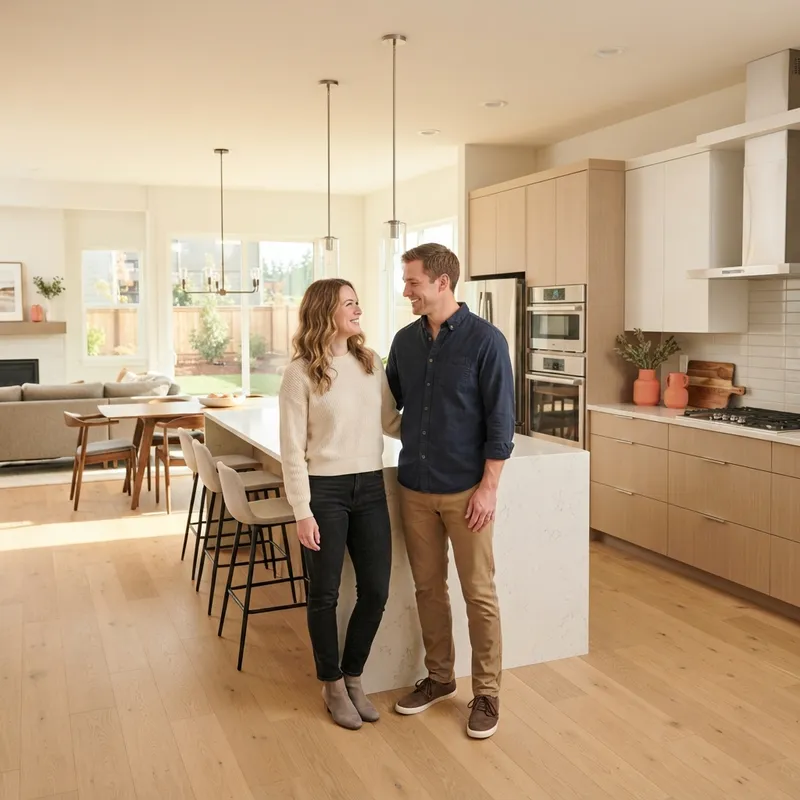
Where New Construction Prices Are Actually Negotiable
The base price on a builder's price sheet is the number they defend hardest, because dropping it would lower recorded comps for every other buyer in the neighborhood. That does not mean the total cost is fixed. The real room to negotiate new construction home price in California sits in the incentives, financing terms, and upgrade credits that never show up on that headline number.
The Levers Builders Will Move
Once you understand what a builder can offer without touching the base price, the conversation shifts from "will you lower the price" to "what will you add to the deal." These are the concessions builders in Southern California hand out most often in 2026:
Rate buydowns: The builder pays points to lower your mortgage rate, sometimes permanently, sometimes for the first two or three years.
Design center credits: A dollar amount toward flooring, cabinets, countertops, and other upgrades you would otherwise pay full retail for.
Closing cost coverage: The builder covers a portion or all of your closing costs when you use their preferred lender.
Lot premium reductions: Discounts on the extra fees charged for corner, view, or larger lots that have been sitting unsold.
Included upgrades: Appliances, blinds, or landscaping added at no cost to move standing inventory before quarter's end.
Learning the difference between these negotiable builder incentives and the fixed base price is the single most useful skill a new construction buyer can develop.
Why Builders Protect the Base Price
Builders guard the base price because every closed sale becomes a comparable that supports the pricing of the next phase, so a single discounted contract can undercut millions in future revenue. This is exactly why builders protect base prices and steer nearly all of their flexibility into incentives instead. Knowing this lets you stop wasting leverage on a number they will never move and redirect it toward the terms that genuinely improve your total cost of ownership.

Solo Buyer vs. Professional Representation in 2026
Walking into a builder's sales office alone feels simple, but it puts you across the table from someone whose job is to protect the builder's margin. The 2026 Southern California market, with more standing inventory and builders motivated to close, rewards buyers who bring their own advocate to the negotiation.
Comparing Your Two Paths
The choice between going direct and bringing representation shapes how much you leave on the table. The table below breaks down what each path typically looks like for a new construction buyer today.
Factor | Solo Buyer (Direct) | With Representation |
|---|---|---|
Who the sales rep serves | The builder | You have your own advocate |
Incentive knowledge | Only what the rep shares | Full market view of current deals |
Contract review | Self-guided | Line-by-line advocacy |
Rebate at closing | None | Possible cash back |
The gap comes down to information and leverage: a solo buyer negotiates against a professional with none of their own, while representation levels the table and often uncovers concessions the rep never volunteers. Understanding the true realtor versus builder sales rep distinction is what separates a good deal from an average one.
Why the Builder's Rep Cannot Represent You
The friendly person at the model home sales desk is paid by the builder and legally represents the builder's interests, not yours. That does not make them dishonest, but it means they have no obligation to point out a better financing structure, a softer lot premium, or an incentive from a competing community down the road. A dedicated buyer's agent role fills that gap, and firms like Ease work exclusively for the buyer to secure terms the sales office would never surface on its own. The value of professional buyer advocacy shows up most clearly in the final numbers.
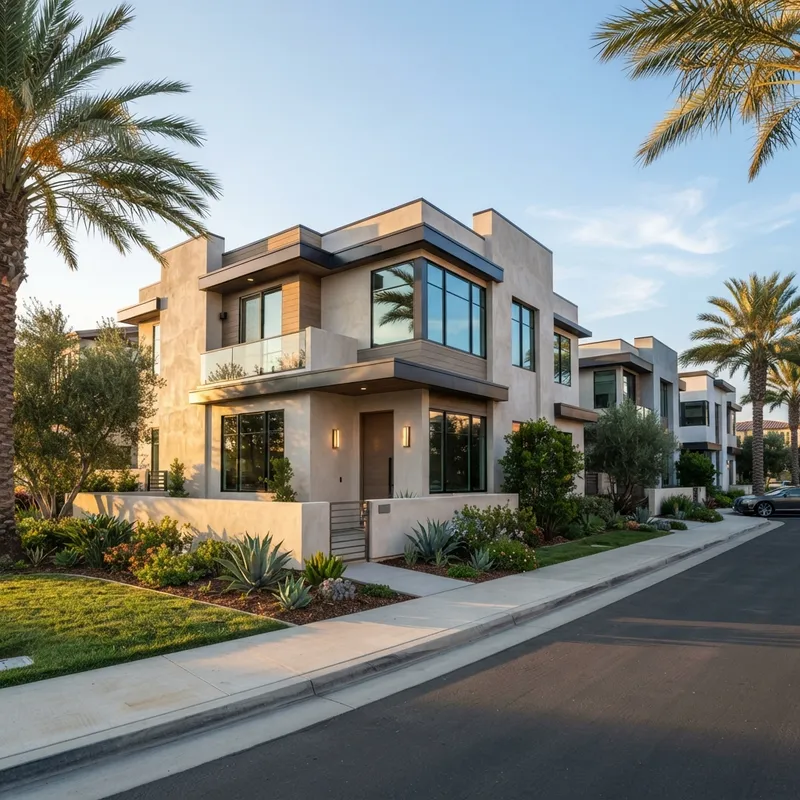
Tactics That Turn Into Real Savings
Effective negotiation with a California builder is less about aggressive haggling and more about knowing which requests carry weight and when to make them. Timing your ask near the end of a sales quarter, understanding builder timelines, and stacking multiple small concessions produce measurable results.
Steps That Move the Numbers
Start by getting the builder's incentive offer in writing, then ask what improves if you use their preferred lender, since that is where mortgage rate buydown strategies usually live. Push on the design center next, because a credit toward upgrades often stretches further than an equivalent price cut once you account for the retail markup builders charge inside those studios. Layering these negotiation tactics is how buyers save money on brand new homes without ever touching the base price the builder refuses to move.
Reading the Contract and the Fine Print
Before you sign anything, read the purchase agreement for who controls the escrow timeline, what happens to your deposit if construction stalls, and which "included" features are actually standard versus marketing language. Buyers who skip understanding builder contracts often discover fees at closing that quietly erase the incentives they thought they won. This is where an advocate earns their keep, catching the clauses that shift risk and cost onto you before the ink dries.
Conclusion
New construction pricing in California is far more flexible than the sticker suggests, as long as you aim your leverage at the incentives, financing, and upgrades rather than the protected base price. The 2026 market gives Southern California buyers real negotiating room, but only if they understand what is actually on the table and who is truly working for them. Bringing your own representation, whether through Ease or another buyer-focused brokerage, turns builder marketing language into concessions you can measure at closing. Get every offer in writing, read the contract closely, and treat the sales office as a negotiation, not a checkout counter.
Ready to walk into your next model home with someone in your corner? Work with Ease to negotiate stronger terms and earn cash back at closing on your new California home.
Frequently Asked Questions (FAQs)
Can a realtor help me negotiate a new construction home price?
Yes, a buyer-focused realtor can negotiate incentives, rate buydowns, upgrade credits, and closing costs on your behalf, often uncovering concessions the builder's sales rep never mentions.
Can I get a discount on a new build home in California?
You rarely get the base price lowered, but you can secure meaningful discounts through builder incentives, design center credits, and financing concessions that reduce your total cost.
Why does the builder sales rep not represent me?
The builder's sales rep is paid by and legally represents the builder, so they protect the builder's margin rather than negotiate the best possible terms for you.
Does the builder pay the agent commission?
In most California new construction deals the builder pays the buyer's agent commission from its own marketing budget, meaning representation typically costs you nothing extra.
What should I negotiate when buying a new construction home?
Focus on rate buydowns, closing cost coverage, design center upgrade credits, and lot premium reductions rather than the base price the builder will not move.
What are the hidden costs of buying a brand new home?
Watch for Mello-Roos taxes, HOA fees, lot premiums, upgrade markups, and closing costs that can quietly offset the incentives a builder advertises.
Is it cheaper to buy new construction with a buyer agent?
It usually is, because a buyer agent negotiates stronger concessions and, with a brokerage like Ease, can return cash back at closing that a solo buyer never receives.
