

 By Rachel Torres
Introduction
Buying a new construction home in Southern California is a fundamentally different experience than purchasing a resale property, and the timeline alone can catch first-time buyers off guard. The new construction home buying timeline typically spans four to eight months from contract signing to closing, with distinct phases that each require specific decisions, deadlines, and financial commitments. Unlike a resale transaction where you tour a finished home and close in 30 days, new construction involves design selections, construction milestones, builder inspections, and a final walkthrough before you ever get the keys. Understanding each stage upfront is the single best way to avoid feeling blindsided by delays or unexpected costs along the way.
Key Takeaway: The new construction home purchase process follows a predictable sequence of phases, from pre-approval through closing, and buyers who understand each step make better financial decisions and avoid the most common pitfalls.
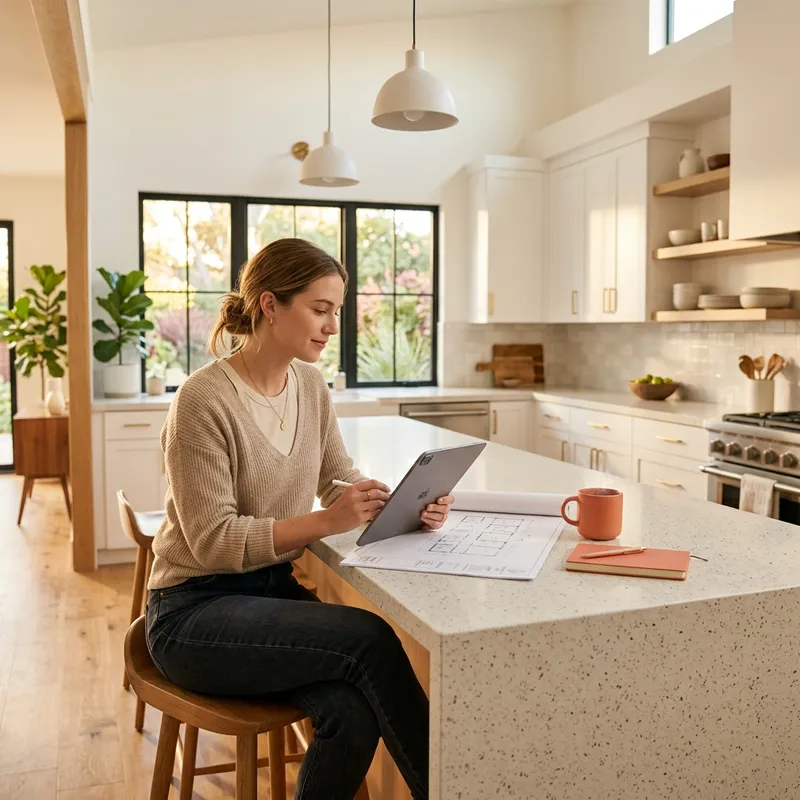
Getting Started: Pre-Approval Through Contract Signing
The first phase of buying a new construction home happens before you ever set foot in a model home. This stage sets the financial foundation for everything that follows and determines what communities and floor plans are realistically within reach.
Mortgage Pre-Approval and Community Research
Getting pre-approved for a mortgage should be your first step, ideally before you start touring builder communities. Builders take pre-approved buyers more seriously, and many require proof of financing before they will accept a reservation deposit. Here are the key actions during this phase:
Get pre-approved early: Contact a lender (or the builder's preferred lender) to lock in your budget range and understand your new construction home financing options before touring.
Research communities and builders: Narrow your search to specific neighborhoods in Orange County, Irvine, or other SoCal markets that match your commute, school preferences, and lifestyle needs.
Tour model homes strategically: Visit during weekdays when sales offices are less crowded, and bring a list of questions about included features versus upgrades.
Register with buyer representation: Bring your agent on your very first visit, because most builders require agent registration at the initial appointment to honor the relationship.
Signing the Purchase Agreement
Once you select a lot and floor plan, the builder presents a purchase agreement that looks nothing like a standard resale contract. Builder contracts are typically 40 to 80 pages long, written by the builder's legal team, and heavily weighted in the builder's favor. They include clauses covering construction delays, material substitutions, price escalation, and cancellation terms that most buyers have never encountered. This is exactly why having dedicated buyer representation matters. A knowledgeable agent can review the contract line by line, flag unfavorable builder contract terms, and negotiate adjustments before you sign. Expect to put down an earnest money deposit of 3% to 5% at this stage, which is typically non-refundable after certain contingency periods expire.
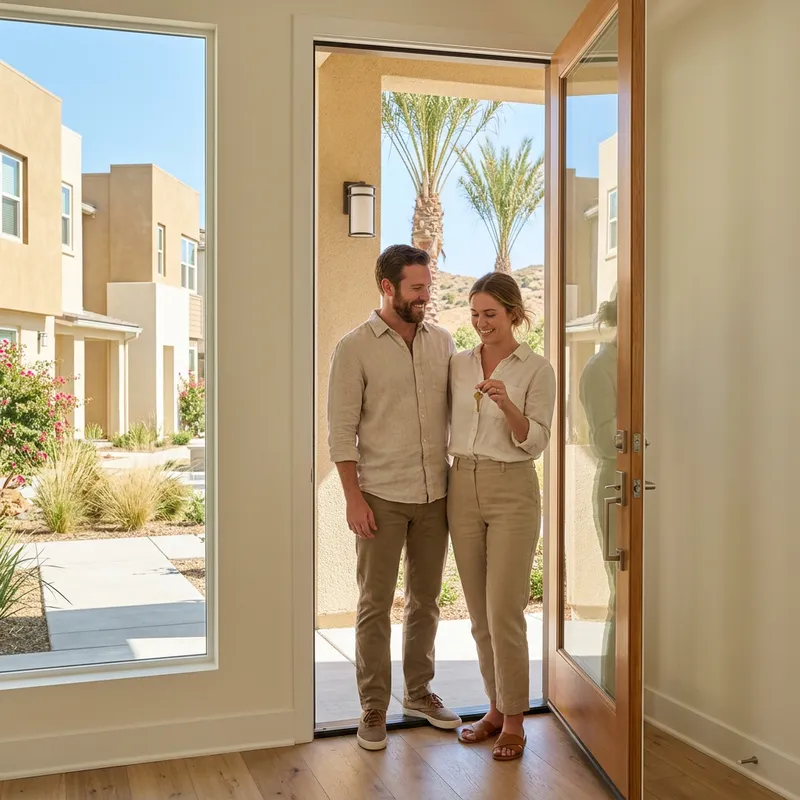
Construction Through Closing: The Longest Stretch
After the contract is signed, the timeline shifts to the builder's construction schedule. This is the phase where patience becomes essential, because how long new construction takes to build depends on the builder, the community's development stage, and factors like weather, permitting, and material availability. In Southern California, construction on a single-family home typically takes five to seven months from foundation to completion.
Design Center Selections and Construction Milestones
Within the first few weeks after signing, the builder schedules your design center appointment. This is where you choose flooring, countertops, cabinetry, fixtures, and structural upgrades. The design center experience can feel exciting and overwhelming in equal measure. Upgrades add up fast, and builders price them at a significant markup compared to what you would pay through a third-party contractor after closing.
A practical approach is to prioritize structural upgrades (additional electrical outlets, plumbing rough-ins, wall placements) that are difficult or expensive to add later, and defer cosmetic upgrades that can be done independently. According to industry guidance on common buyer mistakes, overspending at the design center is one of the top financial pitfalls in new construction purchases.
During construction, the builder typically allows two to three scheduled site visits at key milestones: foundation pour, framing completion, and pre-drywall. The pre-drywall visit is especially important because it is your last chance to see the electrical, plumbing, and HVAC systems before they are sealed behind walls. Take photos and notes at every visit. If something looks different from what you selected, flag it immediately rather than waiting for the final walkthrough.
Inspections, Final Walkthrough, and Closing Day
One of the most common questions buyers ask is whether they can get a home inspection on new construction. The answer is absolutely yes, and skipping it is a mistake. The new construction home inspection process should include both a pre-drywall inspection and a final inspection before closing. Hiring an independent, third-party inspector (not one recommended by the builder) ensures an unbiased evaluation. New homes regularly have issues ranging from improperly installed flashing to HVAC ductwork problems, and catching these before closing gives you leverage to request repairs from the builder.
The final walkthrough typically happens one to two days before closing. Walk every room with your punch list in hand, test every appliance, run every faucet, and open every window. Builders are generally responsive to punch list items identified during the walkthrough, but anything you miss becomes harder to address after you have signed closing documents. The U.S. Census Bureau's construction data shows that completion timelines have stretched in recent years due to supply chain pressures, so build flexibility into your moving plans.
On closing day, expect the process to mirror a resale closing in many ways: you sign loan documents, pay closing costs, and receive your keys. New construction closing costs in Southern California typically range from 2% to 5% of the purchase price, though builder incentives can offset a significant portion. Many builders in Orange County and Irvine offer rate buydowns, closing cost credits, or upgrade packages, especially when using their preferred lender. Ease specializes in helping buyers negotiate these builder incentives to maximize savings, often securing terms that buyers walking into a sales office alone would not receive.

Conclusion
The new construction home closing timeline is longer and more layered than a resale purchase, but it becomes manageable once you understand each phase and what decisions are required at every step. Prioritize getting pre-approved early, scrutinize the builder contract before signing, budget carefully at the design center, and never skip independent inspections. Working with a buyer-focused brokerage like Ease gives you an advocate who understands SoCal builder practices and can negotiate better financial outcomes on your behalf. The more prepared you are going in, the more confident and rewarding the experience will be when you finally pick up those keys.
Frequently Asked Questions (FAQs)
How long does it take to close on a new construction home?
Most new construction homes in Southern California take four to eight months from contract signing to closing, depending on the construction stage when you purchase and the builder's schedule.
What should I know before buying new construction?
Builder contracts are written to protect the builder, upgrades are marked up significantly, and having independent buyer representation can save you thousands in negotiations and help you avoid common financing missteps.
Can I get a home inspection on new construction?
Yes, and you should hire an independent third-party inspector for both a pre-drywall inspection and a final inspection before closing to catch issues the builder's own quality checks may miss.
What are typical new construction closing costs?
New construction closing costs in Southern California generally range from 2% to 5% of the purchase price, though builder incentives and credits from your agent's negotiation can reduce that amount substantially.
What are builder incentives for new construction?
Builder incentives commonly include mortgage rate buydowns, closing cost credits, free or discounted upgrades, and preferred lender bonuses, all of which are negotiable with the right representation.
How do rate buydowns work on new construction?
A rate buydown is when the builder pays upfront points to reduce your mortgage interest rate for the first few years (or permanently), lowering your monthly payment and making the home more affordable from day one.
Is it better to use a buyer's agent for new construction?
Using a buyer's agent ensures someone is reviewing the contract, negotiating incentives, and advocating for your interests throughout the process, since the builder's sales representative works exclusively for the builder.
