
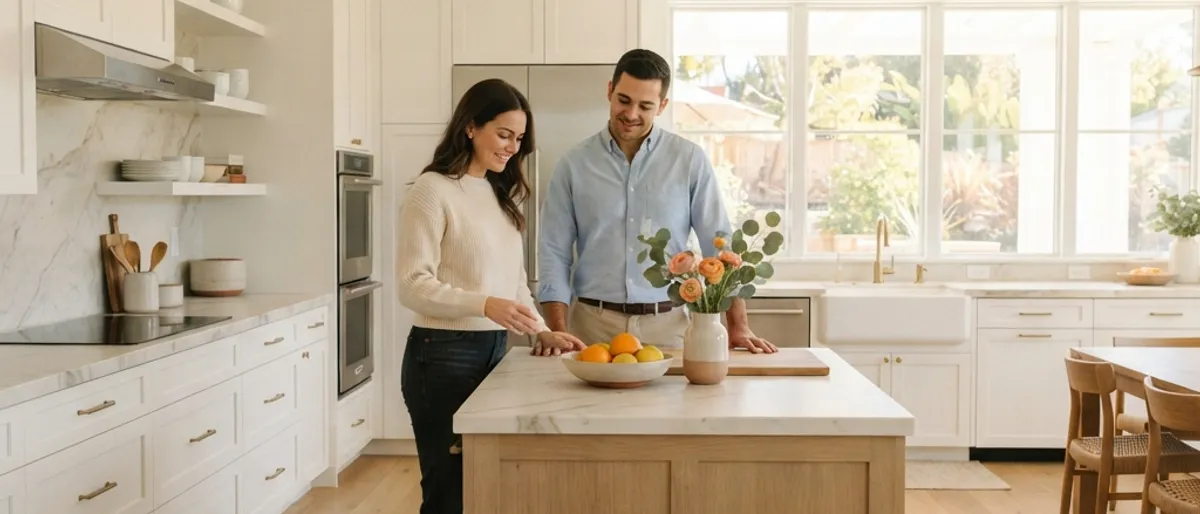
 By Rachel Torres
Quick Answer
In Rancho Cucamonga, structural upgrades like extended kitchens, additional windows, electrical rough-ins, and floor plan changes are worth paying builder pricing for, while cosmetic finishes such as carpet, backsplashes, light fixtures, and window coverings are almost always cheaper after closing. Focus your design center budget on anything that requires cutting into walls, framing, or foundations, and postpone the rest until you have the keys.
Introduction
Walking into a builder's design center in Rancho Cucamonga can feel exciting until the running total starts climbing past $60,000. Buyers face hundreds of choices in a few short hours, and the sales team rarely explains which upgrades hold value at resale and which quietly disappear into the mortgage. The smartest approach is to sort every option into two buckets: things that must be done during construction, and things that can wait. That single filter can save the average Rancho Cucamonga buyer tens of thousands of dollars without sacrificing the finished look of the home.
Key Takeaways:
Structural upgrades are the only category where builder pricing is consistently worth paying, because retrofitting after closing costs multiples more.
Cosmetic and finish upgrades like flooring, backsplashes, and lighting are typically 30 to 60 percent cheaper through third-party vendors after move-in.
Most Rancho Cucamonga builders will negotiate on upgrade credits and incentives, especially near quarter-end or when standing inventory needs to move.
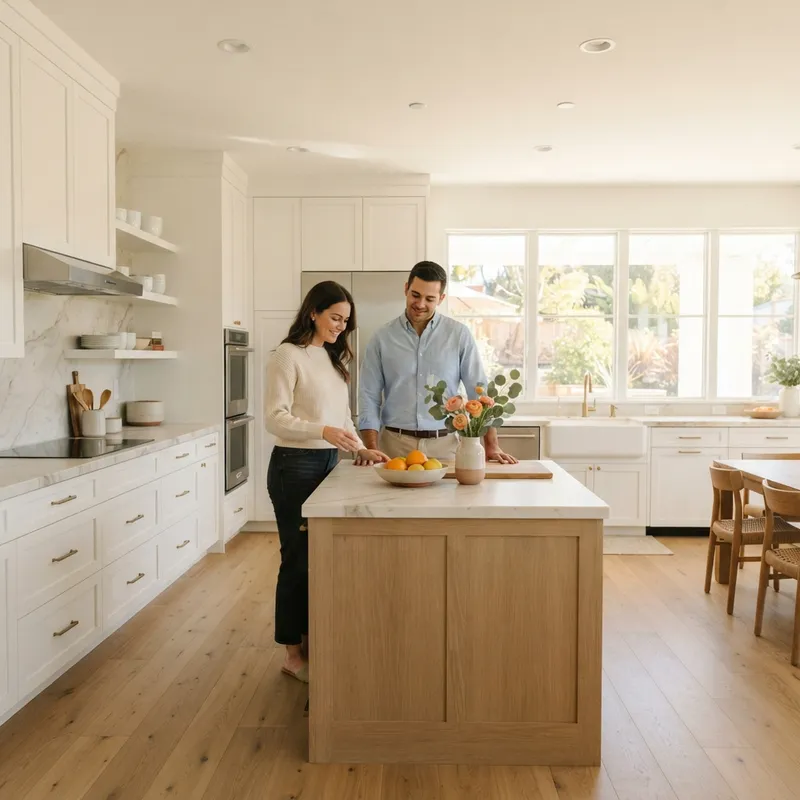
Understanding the Value Tiers of New Home Upgrades
Every builder design center in Rancho Cucamonga organizes upgrades by category, but a smarter way to think about them is by value tier. Structural comes first because those decisions are permanent. Functional upgrades sit in the middle because they affect daily livability. Aesthetic finishes come last because they are the easiest to change later and the most inflated in builder pricing.
Structural Upgrades: Pay the Builder
Structural upgrades are the ones you cannot easily add after closing without tearing the house apart. In Rancho Cucamonga's newer communities, these are almost always the best use of your upgrade budget. Retrofitting a structural change after move-in typically costs two to four times what the builder charges during framing.
Extended kitchen or great room: Adds usable square footage and often pays back at resale, especially in family-oriented neighborhoods like Etiwanda.
Additional windows and sliding doors: Natural light is nearly impossible to add later without major framing work.
Electrical and plumbing rough-ins: Pre-wiring for ceiling speakers, EV chargers, or a future outdoor kitchen costs a fraction of retrofitting.
Loft-to-bedroom conversions or bathroom additions: These change the home's bed and bath count, which directly impacts appraisal value.
Taller ceilings or 8-foot interior doors: Only available during construction and noticeably elevate the feel of the home.
Functional and Aesthetic Upgrades: Usually Skip
Once you step out of the structural category, builder pricing rarely holds up against third-party alternatives. A backsplash quoted at $4,800 through the design center often runs $1,500 to $2,000 from a local Rancho Cucamonga tile installer. Carpet, laminate, pendant lights, mirrors, and closet organizers all fall into the same pattern. Data from national resale studies backs this up, showing that bathroom and kitchen finish upgrades rarely return their full builder cost at resale.
The one exception worth considering is upgraded flooring in main living areas. Many buyers ask whether they should upgrade carpet to hardwood through the builder. If the builder offers a reasonable credit or the vinyl plank package is close to third-party pricing, it can be worth locking in for convenience, since installing floors across an occupied home is disruptive. Otherwise, take the standard finish and swap it later. For a deeper breakdown of these tradeoffs, our guide on builder negotiation tactics walks through how to price-check every line item before you sign.
How to Decide Upgrade by Upgrade in Rancho Cucamonga
The design center visit is not the time to decide anything. It is the time to gather quotes, walk out, and compare each item against local Rancho Cucamonga contractors before committing. Builders in the Inland Empire routinely add 40 to 70 percent margins on cosmetic finishes, and those margins are where buyers lose money without realizing it.
Side-by-Side: Builder Upgrade vs. Third-Party Cost
Here is how typical upgrades compare when priced through a Rancho Cucamonga builder versus a qualified local contractor after closing. These are directional ranges based on recent buyer experiences in the area.
Upgrade | Builder Price | Third-Party Price | Best Choice |
|---|---|---|---|
Extended kitchen island | $8,000 to $12,000 | Not feasible post-close | Builder |
Pre-wire for EV charger | $600 to $1,200 | $1,800 to $3,500 | Builder |
Hardwood-look LVP flooring | $14 to $22 per sq ft | $7 to $11 per sq ft | Third-party |
Kitchen backsplash | $4,000 to $6,000 | $1,400 to $2,200 | Third-party |
Smart home package | $3,500 to $7,000 | $800 to $1,800 DIY | Third-party |
Additional recessed lighting | $250 to $400 per can | $120 to $180 per can | Third-party |
The pattern is clear: anything requiring framing, wiring behind drywall, or plumbing lines belongs on the builder's contract. Anything installed on top of finished surfaces belongs in your post-closing project list. Buyers working with Rancho Cucamonga builder incentives often find they can redirect the credits the builder offers toward structural items instead of accepting them as design center dollars.
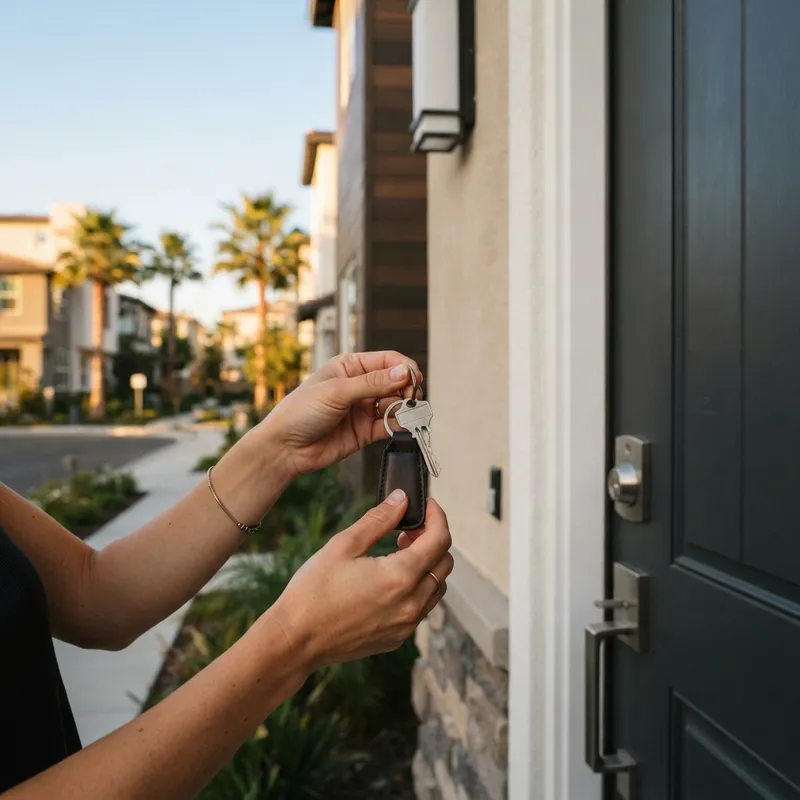
Getting More Value From the Design Center Visit
Most buyers arrive at the design center thinking prices are fixed. They are not, at least not entirely. Builders in Rancho Cucamonga regularly move on upgrade credits, closing cost contributions, and rate buydowns, especially when quarterly sales goals are on the line. Knowing which levers to pull is where representation earns its keep.
Negotiating Credits, Incentives, and Rate Buydowns
Design center credits are one of the most common concessions builders offer, but they are rarely volunteered. A skilled negotiator will push for either a flat design center credit, a rate buydown, or a mix of both depending on what benefits the buyer most. Some builders also offer manufacturer-tier appliance packages at no additional cost when asked directly. National guidance on negotiating new construction purchases confirms that upgrade credits are one of the most flexible levers builders will move on. Ease works with buyers throughout Rancho Cucamonga to structure these concessions, and clients also receive 1 percent of the purchase price back at closing as a cash rebate, which many use to fund the exact aftermarket upgrades that were overpriced at the design center. Reviewing free upgrades negotiation tactics before your appointment can meaningfully change what you walk away with.
Thinking About Resale From Day One
Not every upgrade returns its cost, but a few consistently do. Extra bedrooms, additional bathrooms, and expanded primary suites tend to hold value in the Rancho Cucamonga market because they change the home's core specifications. Neutral, timeless finishes also outperform trend-driven choices when it comes time to sell. Third-party data on home improvements shows the same categories consistently return the strongest resale premium. For a fuller picture of how these choices influence long-term equity, our breakdown of new construction resale values compares builder-upgraded homes against equivalent resales in the same neighborhoods.
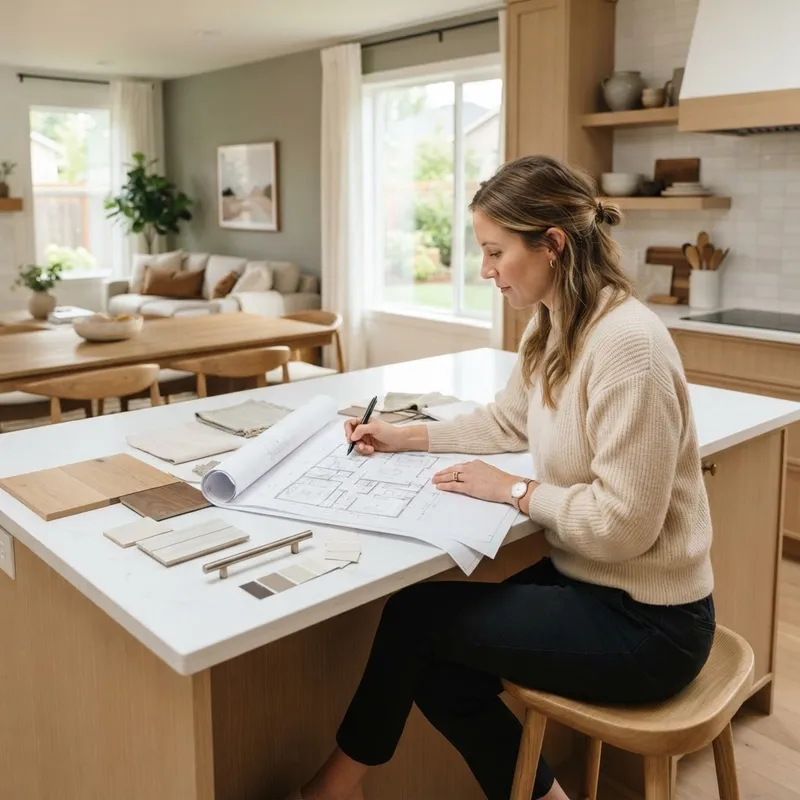
Conclusion
The right approach to new construction upgrades in Rancho Cucamonga is not to spend more or less, it is to spend intentionally. Structural changes belong on the builder's contract because they cannot be replicated affordably later. Cosmetic finishes belong on your post-closing list because that is where third-party pricing wins every time. Getting this split right can free up thousands of dollars for the upgrades that actually matter, and getting it wrong means paying a premium for things you could have chosen yourself in six months. A buyer-side advocate at the table makes the entire decision cleaner from the first design center visit through the final walk-through. For a deeper look at how to prepare, review these professional upgrade negotiation strategies before your appointment.
Thinking about visiting a design center soon? Talk with Ease before you go, and get a buyer-side expert reviewing every upgrade line item with you.
Frequently Asked Questions (FAQs)
Which new construction upgrades are worth it in Rancho Cucamonga?
Structural upgrades like extended kitchens, additional windows, electrical rough-ins, and extra bedrooms or bathrooms are almost always worth the builder's price because they cannot be replicated affordably after closing.
Are design center upgrades worth the cost?
Design center upgrades are worth the cost only for structural and behind-the-wall items, since cosmetic finishes like flooring, backsplashes, and lighting are typically 30 to 60 percent cheaper when installed by local Rancho Cucamonga contractors after move-in.
How can I save money on new construction upgrades?
Limit builder-financed upgrades to structural work, negotiate design center credits or rate buydowns during your contract phase, and complete cosmetic upgrades with third-party vendors after closing.
What are the best structural upgrades for resale value?
Additional bedrooms, extra bathrooms, expanded primary suites, and floor plan extensions consistently deliver the strongest resale returns in Rancho Cucamonga because they change the home's core specifications.
Should I upgrade carpet to hardwood through the builder?
Only upgrade flooring through the builder if the pricing is close to third-party quotes or the builder offers a substantial credit, since installing floors in a lived-in home is disruptive but often significantly cheaper.
Is it better to do upgrades through the builder or after closing?
Structural upgrades should always go through the builder, while cosmetic and finish upgrades are usually better handled after closing where third-party pricing and installer choice work in your favor.
What kind of incentives can I get for new construction upgrades?
Rancho Cucamonga builders commonly offer design center credits, rate buydowns, closing cost contributions, and appliance package upgrades, especially near quarter-end or when standing inventory needs to sell.
About the Author
Rachel Torres is a New Home Advisor at Ease with a background in Southern California real estate and years of experience guiding buyers through builder design centers across the Inland Empire. She specializes in helping first-time and move-up buyers decode builder incentives, upgrade pricing, and contract terms so they walk into every appointment with a clear plan.
