

 By Rachel Torres
Introduction
Walking into a builder's sales office without a buyer's agent is one of the most common mistakes new construction buyers make in Southern California, and the consequences start the moment you sign the visitor registration sheet. The builder's sales rep may greet you warmly, answer your questions, and walk you through a beautiful model home, but that person works for the builder, not for you. Most buyers assume the process is straightforward enough to handle alone, yet that single unrepresented visit can cost you your right to independent buyer representation, negotiating leverage, and thousands of dollars in incentives you never knew existed. Understanding what actually happens during that first visit is the key to protecting your interests before it is too late.
Key Takeaway: Once you register at a builder's sales office without naming a buyer's agent, the builder may permanently deny your right to outside representation, leaving you to negotiate alone against a team that is contractually obligated to maximize the builder's profit.
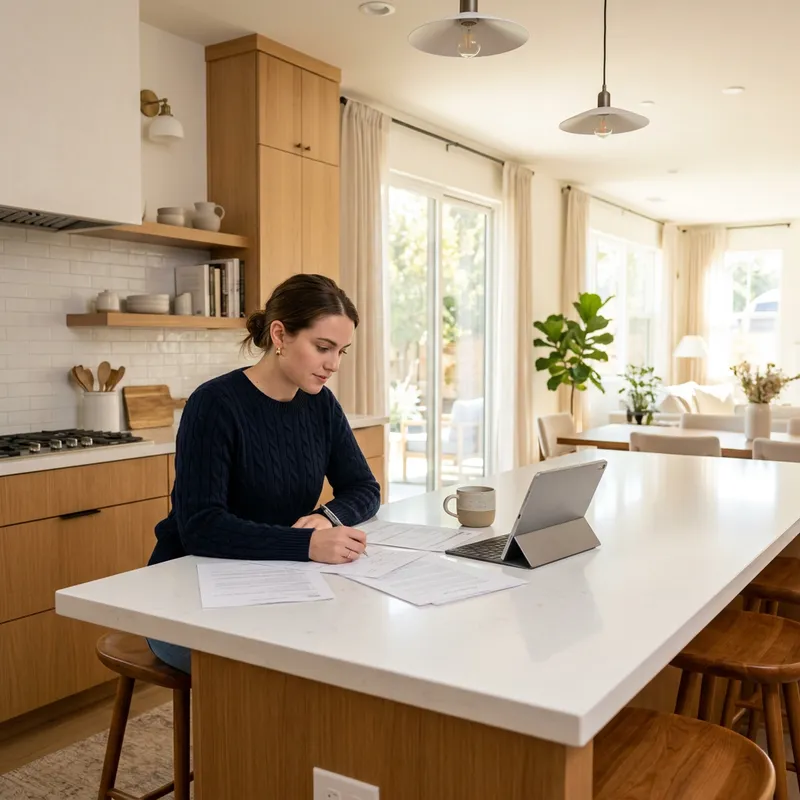
The Builder's Sales Rep Is Not on Your Side
Every builder's sales office employs on-site sales representatives who seem friendly, knowledgeable, and eager to help. That helpfulness can create a false sense of security. These representatives have a fiduciary duty to the builder, meaning every recommendation they make is designed to benefit the builder's bottom line, not yours.
What the Sales Rep's Role Actually Looks Like
A builder sales rep functions as the builder's employee or contracted agent. Their compensation is tied to selling homes at the highest possible price with the fewest concessions. Here is what that means in practice for you as a buyer:
Pricing guidance favors the builder: The rep will present pricing as fixed or standard, rarely volunteering that room for negotiation exists on upgrades, lot premiums, or rate buydowns.
Contract terms protect the builder: Builder contracts are drafted by the builder's legal team, and the sales rep is not going to flag clauses that limit your rights or expose you to financial risk.
Incentives are selectively shared: Builders often run promotions and incentives that the sales rep may not fully disclose unless you ask the right questions or have someone advocating on your behalf.
Urgency tactics drive faster decisions: Phrases like "this lot won't last" or "pricing goes up next phase" are standard tools to compress your decision timeline.
No obligation to educate you: The rep has zero responsibility to explain how the purchase compares to other communities, whether the upgrades are fairly priced, or if a better deal exists elsewhere.
Why Buyers Confuse the Rep for Their Advocate
Builder sales offices are designed to feel welcoming. The model homes are staged to perfection, the rep remembers your name, and the whole experience feels like a partnership. That is intentional. Builders invest heavily in creating an environment where buyers feel comfortable enough to skip independent representation entirely. The reality is that every pleasant interaction still serves one goal: getting you under contract on the builder's terms. A sales representative in a builder's office works exclusively for the builder and is not looking out for your financial interests, regardless of how helpful they appear.
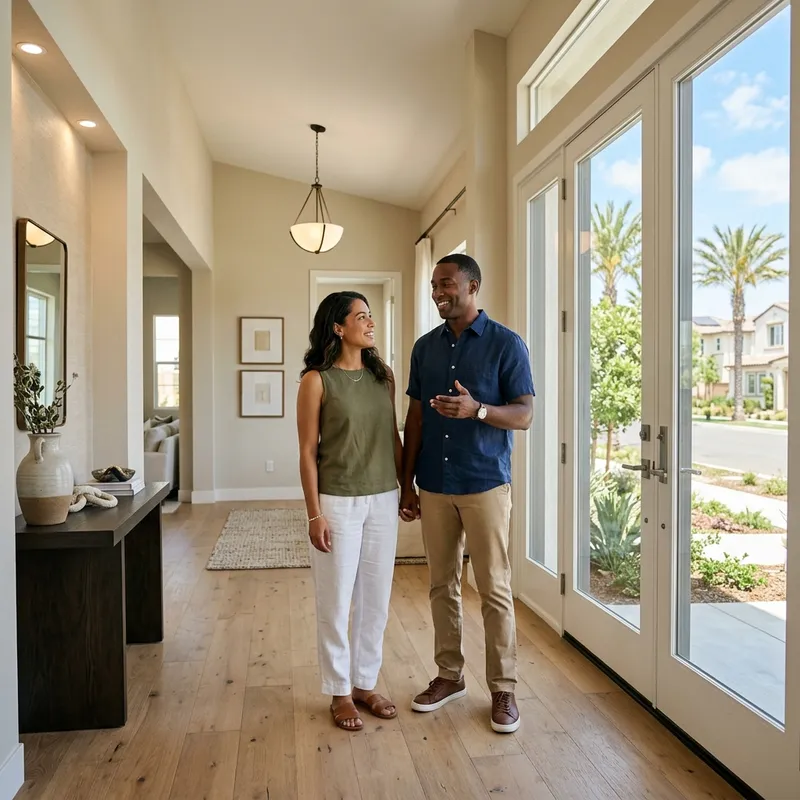
What You Risk by Going Unrepresented
The consequences of visiting a builder without your own agent go far beyond a missed opportunity. From the moment you register at that sales office, a chain of events begins that can limit your options and cost you real money throughout the entire transaction.
The Registration Trap and Losing Your Right to Representation
Most builders require visitors to fill out a registration form the moment they walk through the door. That form typically asks for your name, contact information, and whether you are working with a real estate agent. If you write "no" or leave the agent field blank, the builder logs you as an unrepresented buyer. Many builders enforce strict registration policies, meaning they will decline to add a buyer's agent to the purchase agreement after that initial registration.
This is not a hypothetical scenario. It happens regularly across Southern California communities, from Irvine to Rancho Cucamonga. Some builders allow a grace period, but many do not, and the policies vary from one community to the next. Once you are registered without an agent, the builder has no financial incentive to pay a commission to an outside representative, so they simply refuse. You lose your ability to bring in an independent buyer's agent who could review the contract, negotiate pricing, and protect your interests.
Financial Consequences That Add Up Quickly
Without independent representation, buyers routinely leave money on the table. A new construction buyer's agent understands how to negotiate builder incentives, closing cost credits, and upgrade packages because they know the builder's margins, current inventory pressure, and what concessions similar buyers have received. An unrepresented buyer has none of that market intelligence.
New construction closing costs in Southern California can range from 2% to 5% of the purchase price. A skilled agent can often negotiate credits or rate buydowns that reduce that burden significantly. Buyers who go direct to the builder frequently pay full price on upgrades that an agent would have negotiated down or bundled into a package deal. Those missed savings compound quickly on a purchase that might range from $600,000 to over $1 million. Smart negotiation strategies require someone who knows exactly what to ask for and when to ask for it.
Working with a team like Ease, for example, gives buyers in Southern California not only contract-level negotiation but also a 1% cash rebate at closing, up to $30,000, that can be applied directly toward closing costs. That is money unrepresented buyers forfeit entirely.
Conclusion
Visiting a builder's sales office without a buyer's agent is a decision that feels harmless in the moment but creates real financial and legal exposure from the very first signature. The builder's sales rep will never tell you what you are giving up because it is not their job to protect you. The smartest move any new construction buyer in Southern California can make is to connect with an independent buyer's agent before setting foot in a model home. If you have already visited a builder unrepresented, act quickly: contact the sales office to ask about their registration policy, and reach out to a buyer-focused brokerage like Ease to explore whether representation can still be added. Protecting your interests starts with understanding that no one inside that sales office is doing it for you.
Frequently Asked Questions (FAQs)
Do I need a buyer's agent for new construction?
Yes, because the builder's sales rep represents the builder, not you, so without your own agent you have no one reviewing the contract, negotiating pricing, or protecting your financial interests.
What happens if I visit a builder without an agent?
The builder registers you as an unrepresented buyer, which can permanently prevent you from adding an agent later and leaves you negotiating alone against the builder's team.
Can I add a buyer's agent after visiting a builder alone?
Some builders allow it within a short grace period, but many enforce strict registration policies that deny agent commissions once you have already registered without one.
Why use a buyer's agent instead of a builder sales rep?
A buyer's agent has a fiduciary duty to you, meaning they negotiate on your behalf for better pricing, incentives, and contract terms, while the sales rep's loyalty belongs entirely to the builder.
What does a builder sales rep not tell you?
Sales reps typically do not disclose available negotiating room on upgrades, lot premiums, or rate buydowns, and they will not flag contract clauses that heavily favor the builder.
Is a buyer's agent free in new construction?
In most new construction transactions, the builder pays the buyer's agent commission, so the buyer receives professional representation without paying an additional fee out of pocket.
What are the risks of buying new construction without representation?
Unrepresented buyers risk overpaying on upgrades, missing available incentives, signing contracts with unfavorable terms, and losing thousands in potential closing cost credits that an experienced agent would negotiate.
