

 By Rachel Torres
Quick Answer
The best home builder for you is one with a documented quality record, transparent pricing, a strong warranty, and a track record in your specific Southern California submarket. Evaluate builders on construction standards, incentive flexibility, and contract terms, and bring independent buyer representation so the sales office is not the only voice guiding your decision.
Introduction
Choosing a home builder feels a lot like dating, except the commitment lasts through a 30-year mortgage and every squeaky floorboard along the way. Southern California buyers in Irvine, Anaheim, Rancho Cucamonga, and Chino face dozens of new communities, glossy model homes, and sales reps trained to close. What most buyers do not realize is that the sales agent sitting across the table works for the builder, not for them. That distinction shapes pricing, upgrade decisions, and what you sign at closing. The buyers who end up happiest are the ones who evaluate builders the way an investor evaluates a company: with structure, evidence, and a healthy dose of skepticism about the pitch.
Key Takeaways:
The best home builder combines proven construction quality, honest contract terms, and a warranty you can actually use when something breaks.
Builder sales reps represent the builder, so independent buyer representation is essential for real negotiation leverage on price, incentives, and upgrades.
Comparing builders side by side using consistent criteria beats relying on model home impressions or marketing brochures every time.

What separates a top-rated home builder from the rest
Not every builder that markets aggressively belongs on your shortlist. The best home building companies distinguish themselves through construction quality, transparent pricing, and how they handle problems after move-in, not through the size of their model home showroom. When you walk into a sales office, you are seeing a curated version of the builder's best work, so your job is to look past the finishes and dig into the fundamentals.
Signals of a quality builder you can verify
Before you fall for a kitchen island the size of a small studio apartment, pull the receipts on the builder itself. A few concrete signals matter more than the sales pitch:
Third-party quality ratings: Look for builders with independent quality scores, HOA feedback, and consistent reviews from buyers who closed at least three years ago, not just recent move-ins.
Warranty specifics: Ask exactly what is covered in year one, what extends through the structural period, and how claims are actually handled, not just what the brochure promises.
Local track record: Builders with completed communities in Irvine, Anaheim, or Mission Viejo have a public record of workmanship you can drive to and inspect yourself.
Code compliance history: Reputable builders follow the California building standards without cutting corners on health and safety requirements.
Trade partner stability: Ask which subcontractors handle framing, plumbing, and electrical, and whether those partners have worked with the builder across multiple projects.
Reputation versus reality on the jobsite
A builder's national reputation and its performance in your specific community can look very different. Regional divisions run somewhat independently, so a builder that earns high marks in Texas may deliver an entirely different experience in Rancho Cucamonga. Visit an active jobsite during working hours if the builder allows it. Look at how materials are stored, how framing is finished, and whether the site is organized. Talk to homeowners in the builder's most recent phase, ideally after they have lived through a full rainy season, since that is when construction shortcuts tend to surface. If you want a structured way to evaluate builder quality, use the same criteria across every builder you tour so you are comparing apples to apples.
Comparing home builders in Southern California the smart way
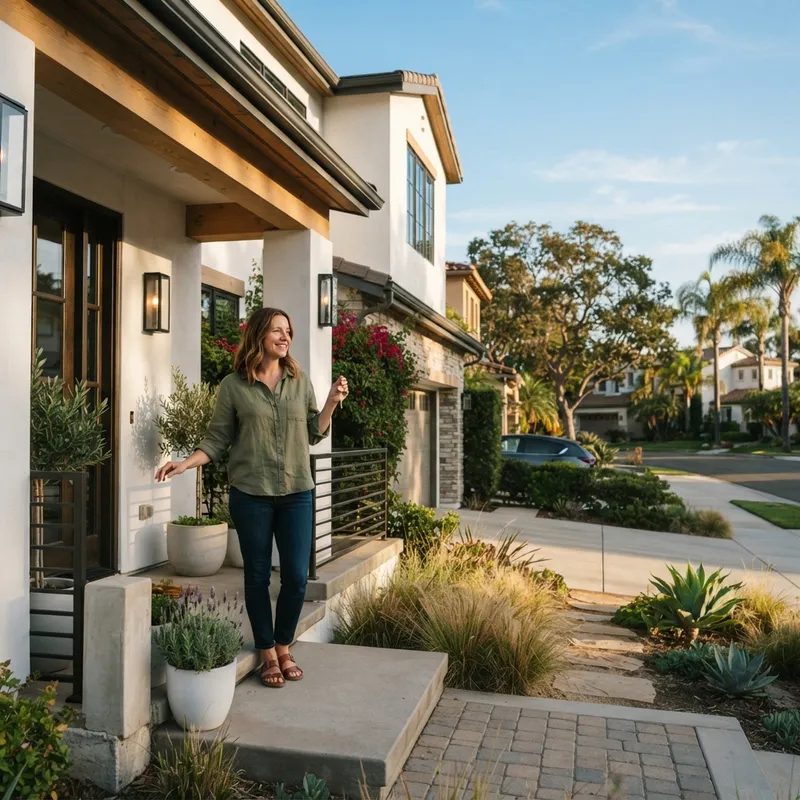
Southern California is not one market, and the best new construction homes in Irvine may come from a different builder than the ones dominating Chino or Yorba Linda. Comparing options well means measuring builders against the criteria that actually drive long-term satisfaction rather than model home theatrics.
A side-by-side comparison framework
Use a consistent scorecard when you tour communities. The table below shows the categories that separate the top rated home builders from the ones that just market well. Adapt it to your priorities, but do not skip categories because a sales rep steered you away from the question.
Evaluation Category | What to Ask | Why It Matters |
|---|---|---|
Construction Standards | What building codes and inspections does the builder exceed, not just meet? | Compliance with California Building Standards Code is the floor, not the ceiling. |
Warranty Coverage | How long is workmanship, systems, and structural coverage? | Determines out-of-pocket cost when defects appear post-closing. |
Incentives & Rate Buydowns | What is negotiable beyond the sticker price? | Incentives often carry more value than a small price cut. |
Contract Flexibility | Can you modify contingencies, financing terms, or deposit structure? | Reveals how buyer-friendly the builder actually is. |
Post-Closing Service | How are warranty claims processed and resolved? | Predicts your quality of life for the first several years. |
The most important insight from this framework is that price rarely tells the whole story. A builder charging slightly more but offering meaningful builder incentives explained transparently often delivers a better financial outcome than the cheapest sticker in the community. Comparing top California builders across all five categories consistently is what separates informed buyers from hopeful ones.
Location-specific factors across SoCal
Each submarket carries its own considerations. Irvine communities often emphasize master-planned amenities and school access, which affects resale demand and lifestyle fit. Anaheim and the surrounding Orange County new construction tends to balance new development with proximity to established employment centers. Inland areas like Rancho Cucamonga and Chino frequently offer more square footage per dollar but require closer attention to commute patterns and long-term appreciation trends. State-level standards from the Title 24 Building Standards Code apply everywhere in California, but how a builder implements energy efficiency, materials, and design details can vary meaningfully community to community.
Why buyer representation changes the outcome
Walking into a builder's sales office without your own representation is like showing up to a car dealership and asking the salesperson which car is the best deal. Nice person, wrong incentives. The builder rep is trained, professional, and legally aligned with the builder's interests, which means their job is to protect the builder's margins, timelines, and terms, not yours.
Builder sales rep versus independent buyer advocate
Understanding the builder representative vs buyer agent distinction is one of the most important pieces of new construction education a first-time buyer can absorb. The builder's on-site agent handles paperwork, showcases upgrades, and manages the flow toward contract, but they cannot advocate against their employer on price, contingencies, or contract language. An independent buyer advocate reviews the same contract from your side of the table, identifies where builders typically have flexibility, and negotiates the pieces sales reps are trained not to volunteer. This is where working with a brokerage like Ease matters, because the entire model is structured around representing the buyer, negotiating incentives, and returning a portion of the commission as a closing rebate rather than keeping it. If you want a deeper look at where negotiation leverage actually exists, review these builder negotiation tips before your next community visit.
What independent representation actually gets you
Beyond the closing rebate, independent representation reshapes the entire buying experience. A buyer advocate reads every clause of the purchase agreement, flags contingencies that favor the builder, pushes for better financing terms, and helps you compare upgrade pricing against local retail costs. They also help you understand the full picture of warranty coverage explained in plain language, so you know what happens when a defect surfaces after move-in. The financial impact adds up quickly, especially in Southern California price points where even a small percentage of negotiated value translates into meaningful dollars back in your pocket. Buyers working with Ease often walk away with better incentives, cleaner contract terms, and a rebate they can apply directly to closing costs.
Conclusion
Choosing the best home builder is not about finding the flashiest model home or the biggest name on the billboard. It is about applying a consistent framework to evaluate construction quality, warranty coverage, contract flexibility, and post-closing service across every community you consider. Southern California buyers who bring independent representation to the table walk into sales offices with information, leverage, and a clearer picture of what is actually negotiable. The builder is not your enemy, but they are not your advocate either, and understanding that difference is what separates buyers who feel great about their purchase from those who spend years wishing they had asked more questions.
Ready to compare builders with someone who works exclusively for you? Connect with Ease to see how independent representation and a closing rebate can strengthen your next new construction purchase across Southern California.
Frequently Asked Questions (FAQs)
What should I look for in a new construction builder?
Look for a builder with documented construction quality, a clear and enforceable warranty, transparent pricing, an established local track record in your Southern California submarket, and a willingness to answer detailed questions about subcontractors, materials, and post-closing service without deflecting.
Do I need a real estate agent to buy a new construction home?
You are not legally required to have one, but buying a house directly from a builder without independent representation means the only professional in the room works for the builder, which weakens your leverage on price, incentives, upgrades, and contract terms that experienced buyer advocates negotiate as a matter of routine.
Can you negotiate prices with new construction home builders?
Yes, though builders often prefer negotiating through incentives, rate buydowns, closing cost credits, and free upgrades rather than direct base price reductions, so knowing where flexibility actually exists is the difference between leaving money on the table and capturing real value at closing.
Is it cheaper to buy directly from a builder?
Not usually, because builder sales reps are trained to preserve pricing and steer buyers toward high-margin upgrades, and without independent representation you lose access to negotiation strategies and rebates that often produce a stronger financial outcome than going alone.
How do builder sales representatives work?
Builder sales reps are employees or contracted agents of the builder whose compensation and legal duty align with the builder's interests, meaning they present options, close deals, and manage paperwork, but they cannot advocate against their own employer on your behalf.
What are the benefits of hiring a buyer advocate in Southern California?
A buyer advocate reviews contracts on your side of the table, negotiates incentives and financing terms, helps you compare builders objectively, and in the case of Ease returns a portion of the commission as a closing rebate that can offset thousands in closing costs.
How does buying new construction compare to buying resale homes?
New construction offers customization, modern efficiency, and builder warranty coverage, while resale homes typically deliver established neighborhoods and negotiable pricing, so the right choice depends on your timeline, appetite for customization, and how much you value warranty protection versus location maturity.
About the Author
Rachel Torres is a New Home Advisor at Ease with a background in Southern California real estate, specializing in new construction, builder incentives, and first-time homebuyer education. She writes for buyers navigating new construction communities across markets like Irvine, Anaheim, and Rancho Cucamonga, translating builder jargon into plain language so clients can make confident decisions. Her focus is helping buyers understand where negotiation leverage actually exists and how independent representation reshapes the outcome.
