

 By Rachel Torres
Quick Answer
Builder new home warranties in California typically follow a 1-2-10 structure: one year of workmanship coverage, two years of coverage for major systems like plumbing and electrical, and ten years of structural defect protection. Under SB 800, builders must meet specific performance standards, but buyers are responsible for documenting issues, filing timely claims, and knowing exactly when each phase ends.
Introduction
Buying a brand new home in Southern California comes with a promise of protection that sounds comprehensive on paper but has real limits once you move in. The builder new home warranty is not a catch-all safety net, it is a tiered coverage structure with strict deadlines, narrow exclusions, and claim rules that favor the builder if you miss a step. Most buyers in Rancho Cucamonga, Irvine, and Chino sign closing paperwork assuming their new home warranty works like homeowners insurance, then discover the difference when a hairline crack appears in year three. California's SB 800 sets minimum performance standards builders must meet, and knowing how those standards intersect with the 1-2-10 timeline changes how you respond when something goes wrong. The gap between what buyers think they own and what the warranty actually covers is where costly surprises live.
Key Takeaways:
Builder home warranty protection follows a 1-2-10 timeline covering workmanship, systems, and structural defects on separate schedules.
California's SB 800 gives buyers specific performance standards to reference when filing claims, but documentation and deadlines are your responsibility.
An independent inspection before each warranty phase ends is the single best way to catch defects while the builder still has to fix them.

What Is Included in a 1-2-10 Home Warranty
The 1-2-10 model is the industry standard framework builders use to define their obligations after closing, and each number represents a different layer of protection with its own scope. Understanding what each phase covers, and what it deliberately excludes, prevents you from filing the wrong claim at the wrong time.
The Three Phases of Builder Coverage
Each phase of new construction home warranty coverage addresses a different category of defect, with tighter timelines on cosmetic issues and longer windows on major structural risks. Here is how the layers break down:
Year 1 workmanship: Covers cosmetic and installation defects such as drywall cracks, paint issues, tile problems, cabinet alignment, and trim finishing.
Years 1 and 2 systems: Protects the mechanical, plumbing, electrical, and HVAC systems against defects in materials or installation.
Years 1 through 10 structural: Covers major load-bearing elements including the foundation, framing, roof structure, and load-bearing walls.
Manufacturer coverage: Appliances, water heaters, and similar products fall under their own manufacturer warranties, not the builder's warranty.
Exclusions: Normal wear, homeowner damage, unauthorized modifications, and landscaping issues are almost always excluded.
New Home Warranty vs Homeowners Insurance
These two protections cover fundamentally different events, and confusing them is one of the most common mistakes new buyers make. A builder warranty addresses defects in how the home was built, while homeowners insurance covers sudden damage from fire, theft, storms, or accidents. If your dishwasher line was installed incorrectly and leaks in month eight, that is a warranty claim. If a windstorm rips shingles off in year four, that is an insurance claim. Reviewing your builder contract terms alongside your insurance policy at closing is the fastest way to see where responsibility actually sits.

Year 1: The Workmanship Warranty
Year one is the most active claim period because cosmetic and finish issues surface quickly once you live in the space. This is when doors start sticking, grout lines separate, HVAC vents whistle, and paint touch-ups become obvious. The workmanship window closes fast, so treat the first twelve months as a documentation sprint.
Your First-Year Builder Warranty Checklist
Walk each room in the first thirty days and again around month ten to catch defects while the workmanship phase is still active. Focus on anything that looks off, feels off, or performs poorly under normal use, and photograph every issue with a timestamp. Most builders in Southern California require issues to be submitted in writing through a warranty portal or email, not verbally to your sales rep. If you skip documentation and rely on a phone call, the claim often does not exist in the builder's system when you follow up in month eleven.
California's SB 800 performance standards give you specific benchmarks to reference when a builder pushes back on a workmanship claim, which matters when disagreements arise over what qualifies as a defect versus normal settling. Bringing a checklist grounded in those standards to your eleven-month walkthrough is far more effective than describing problems in general terms.
Years 1-2: The Systems Warranty
Once you cross into year two, cosmetic complaints are no longer covered, but the systems that keep the home functional are still protected. This includes plumbing rough-ins, electrical wiring, ductwork, and HVAC installation defects, meaning you get a second chance to catch the issues that only reveal themselves after seasonal use.
Filing a Systems Claim Properly
A systems claim requires more evidence than a workmanship claim because you have to show the defect is tied to installation or materials, not homeowner use. Southern California's temperature swings often expose HVAC issues around month fourteen or fifteen, right when the first summer stresses the system, so document performance issues immediately when they appear. Before you file, review your California buyer protection laws and your original purchase paperwork so you understand which party carries the burden of proof.
Here is a practical filing walkthrough that works for both year one and year two claims. Submit your issue in writing through the builder's official warranty channel, attach dated photos and video, request written acknowledgment with a claim number, and set a calendar reminder for the builder's response deadline. If the builder disputes the claim, an independent inspector before closing or during the warranty period provides third-party evidence that carries weight if you need to escalate. Working with Ease means you have a buyer's advocate helping you navigate exactly these disputes rather than negotiating alone with the builder's warranty department.
Year 10: The Structural Warranty
The ten-year structural warranty is the longest and most misunderstood layer of builder home warranty protection. It only applies to defects that compromise the load-bearing integrity of the home, meaning the foundation, framing, roof structure, and other elements that hold the building up. A cracked kitchen tile in year six is not covered here, but a foundation shift causing wall separation absolutely is.
What Structural Coverage Actually Includes
Structural claims are rare but consequential, and they require a formal engineering assessment in almost every case. California's SB 800 statutory framework spells out exactly which defects fall under the builder's ten-year liability, giving you a clear reference when a builder tries to reclassify a structural issue as cosmetic. Keep every closing document, warranty booklet, and inspection report in one accessible file, because a claim filed in year eight will require paperwork from day one.
When to Bring in an Independent Inspector
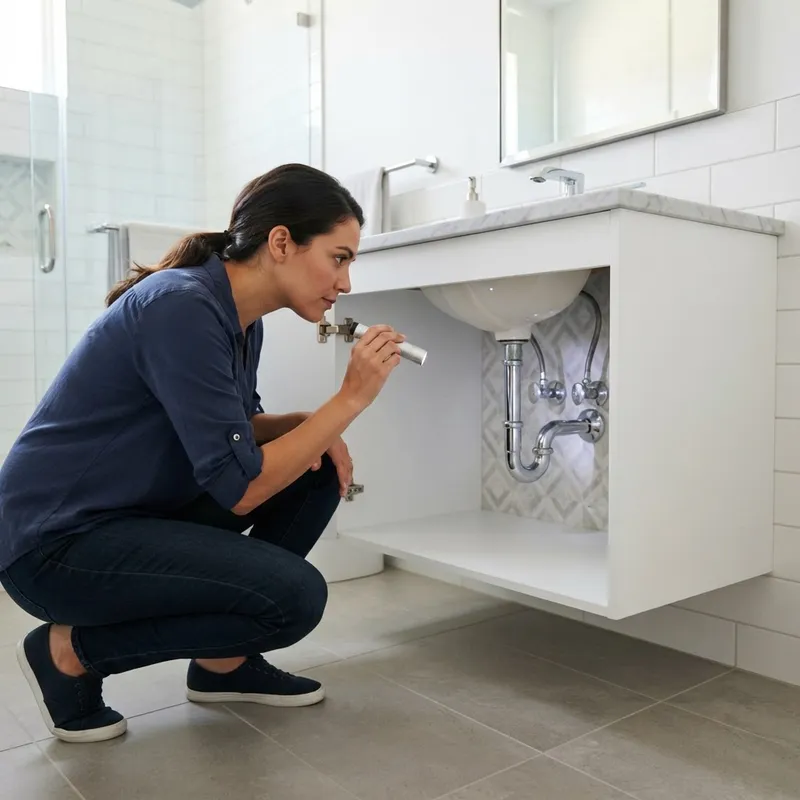
Scheduling an independent home inspection at month eleven, month twenty-three, and again in year nine gives you three chances to catch defects while the builder is still on the hook. Independent inspectors work for you, not the builder, so they flag issues a builder rep might minimize. In Rancho Cucamonga and surrounding areas where soil conditions can shift, that late-stage inspection is especially valuable before the ten-year window closes.
Conclusion
A builder warranty for new construction is only as strong as the buyer's ability to use it correctly. Knowing which phase you are in, documenting defects promptly, and referencing California's SB 800 standards when filing puts you in a far better position than assuming the builder will proactively resolve issues. The buyers who get the most from their warranty are the ones who inspect before each phase ends, keep organized records, and know when to escalate. Preparing the right warranty questions for builders before you sign is the foundation of that preparation. With Ease representing you throughout the process, you get an advocate who understands both the builder playbook and the buyer protections built into California law.
Ready to buy new construction with a real advocate in your corner? Work with Ease to get expert representation, stronger negotiation, and 1% cash back at closing on your Southern California new home.
Frequently Asked Questions (FAQs)
What is covered under a new home builder warranty?
A new home builder warranty typically covers workmanship in year one, mechanical and plumbing systems for two years, and major structural defects for ten years, while excluding normal wear, appliances, and homeowner damage.
How do I file a claim on my builder home warranty?
Submit your claim in writing through the builder's official warranty portal or email with dated photos, a clear description, and a request for written acknowledgment and a claim number.
How long does a builder's warranty last for a new home?
Most builder warranties last ten years total, with different components of the home covered for one, two, or ten years depending on the defect category.
Does a builder warranty cover appliances in a new home?
No, appliances are covered under separate manufacturer warranties rather than the builder's warranty, so keep those documents filed separately from your builder paperwork.
Are builder home warranties transferable to new owners?
Most builder warranties in California are transferable to subsequent owners within the original coverage period, though you should confirm the transfer process in your specific warranty booklet.
Should I hire a home inspector before my 1-year builder warranty ends?
Yes, hiring an independent inspector around month eleven is one of the smartest moves a new construction buyer can make because it catches workmanship defects while the builder is still obligated to fix them.
Is the builder responsible for structural issues after closing?
Yes, under California's SB 800, builders remain responsible for qualifying structural defects for up to ten years after closing, provided the homeowner files a proper claim with supporting documentation.
About the Author
Rachel Torres is a New Home Advisor at Ease with a background in Southern California real estate, specializing in new construction, builder incentives, and first-time homebuyer guidance. She writes to help buyers cut through builder jargon and understand exactly what they are signing before they get the keys.
