
 By Rachel Torres
Quick Answer
Lot premiums are builder charges attached to a specific homesite, and they raise the price of new construction homes beyond the advertised base price. They can be worth paying when the lot improves privacy, usability, or resale appeal, but buyers should evaluate the full contract price before treating any premium as nonnegotiable.
Introduction
A lot premium pays for the location of a home within a new community, not for a larger floor plan or upgraded finishes. Builders commonly charge more for lots with open-space views, cul-de-sac placement, larger yards, or added distance from busy roads. In Southern California, where affordability remains tight, even a modest-looking line item can change the down payment, loan amount, and cash needed to close. The sales office may present the premium as fixed, but its value depends on the site plan, current inventory, buyer demand, and the builder's available incentives.
Key Takeaways:
Compare the total homesite price, not just the advertised base price.
Ask for the site plan and written pricing before selecting a lot.
Use incentives, upgrades, and contract timing to improve the overall deal.

What Lot Premiums Pay For in a New Community
Builders use lot premiums to price desirable locations differently within the same release. The home design may be identical, yet one homesite can offer a deeper backyard, fewer neighboring windows, a more convenient entrance, or a view that is difficult to replicate. This is part of builder home pricing: the builder separates the value of the structure from the value buyers place on the land beneath it.
Which Homesite Features Usually Carry a Premium?
Read the site plan before falling in love with a model home. A premium lot should solve a real lifestyle need or add a durable advantage that another available lot does not provide, rather than simply sounding more exclusive in a sales presentation.
Privacy: Lots without direct rear neighbors or with greater separation from adjacent homes can command higher prices.
View: Open space, hills, parks, or maintained common areas may affect both daily enjoyment and buyer appeal later.
Lot shape: Pie-shaped, wider, or more usable yards can matter more than total square footage alone.
Street position: Cul-de-sacs and interior streets may feel quieter than lots near entrances, traffic, or commercial areas.
Orientation: Sun exposure can influence backyard comfort, interior light, and the practical placement of outdoor living areas.
Why the Same Floor Plan Can Have Different Prices
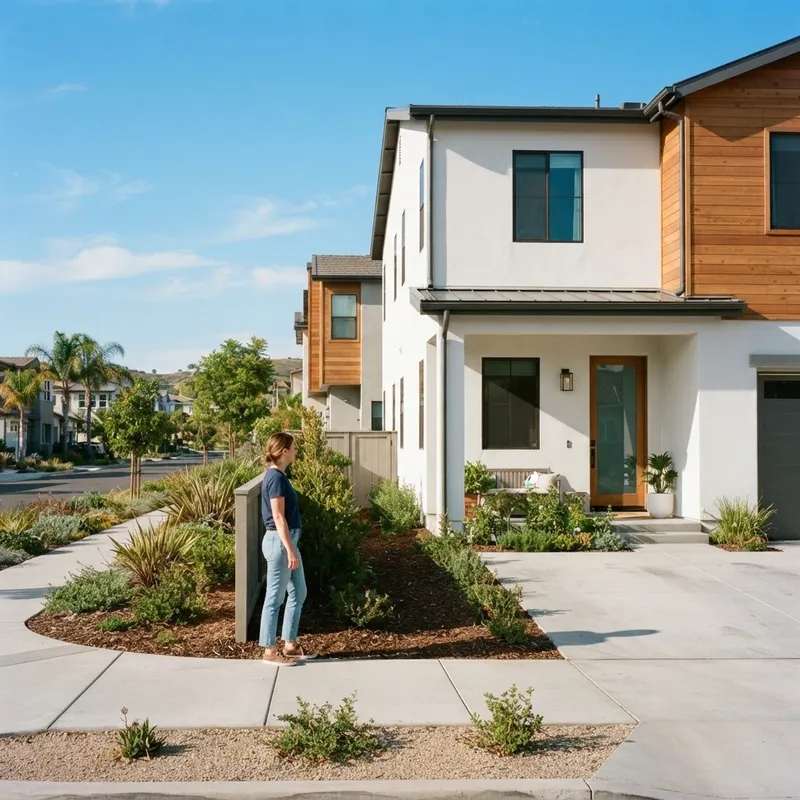
Two buyers can choose the same elevation and finishes, then receive very different purchase prices because their lots carry different premiums. Review grading, retaining walls, utility equipment, drainage paths, street traffic, future construction, and any shared fencing shown on the plan. Choosing the right lot means looking beyond the sales map labels and asking how the site will function after the neighborhood is complete.
How to Decide Whether a Lot Premium Is Worth It
A worthwhile premium supports your daily use of the property and does not force you to sacrifice more important financial priorities. California's housing costs already place pressure on buyers: prices for mid-tier homes were about $775,000 in the state, according to the Legislative Analyst's Office housing affordability tracker. Treat the premium as part of the home price because your lender and closing funds will treat it that way.
Compare the Lot Against Your Alternatives
Use the builder's current availability sheet to compare lots with the same plan, then identify what the premium actually buys. A corner lot may provide a larger side yard but also more sidewalk exposure, while a lot facing open space may trade privacy for pedestrian activity. The table helps separate features that often create lasting value from features that require closer inspection.
Lot type | Possible benefit | Possible tradeoff | Buyer check |
|---|---|---|---|
Cul-de-sac | Less through traffic | Visitor parking can feel limited | Visit at different times |
Open-space backing | More open outlook | Trail or common-area activity | Confirm maintenance and access |
Corner lot | Added side-yard potential | More street exposure | Review fencing and landscaping |
Oversized yard | More outdoor flexibility | More upkeep and higher price | Check usable, level area |
Near entrance | Easier community access | Potential vehicle noise | Stand outside during traffic periods |
The strongest choice is usually the lot whose benefit you will use often and whose downside you have personally inspected. Do not assume that a premium automatically produces the same resale return, because future buyers may value privacy, yard layout, or location differently.
Build the Premium Into the Real Budget
Add the lot premium to the base price before estimating financing, upgrades, taxes, association costs, and cash to close. California homebuyers generally need savings for a down payment of 5% to 20% of the purchase price plus 2% to 5% for closing costs, according to CFPB guidance on down payment planning. A new construction budget should also reserve room for window coverings, appliances not included by the builder, moving, and early ownership expenses.
When Builders May Negotiate Lot Premiums
Builders do not always reduce a lot premium directly, especially early in a successful community release. Still, negotiate new construction home prices strategically when a home has been available longer, a release is nearing completion, competing communities have inventory, or the builder wants to close by a particular period. The goal is not to argue that the lot has no value, but to improve the full financial package.
Ask for Value in the Form the Builder Can Approve
When a builder protects headline pricing, the conversation often shifts to credits, design selections, rate support, or closing assistance. Compare hidden construction costs with every proposed concession so an attractive upgrade package does not distract from expenses you must still pay. Buyers should ask for each offer in writing, including whether it applies only with a preferred lender or title provider.
Builder incentives for buyers can be valuable, but they are not interchangeable. A credit toward recurring financing costs may matter more to one household, while another needs funds for closing or essential new home upgrade options. Review the Loan Estimate, the Closing Disclosure, the purchase agreement, and all builder addenda before deciding which concession genuinely improves affordability.
Use Representation Before Your First Registration
Bring buyer representation into the process before your first visit or before signing in at the sales office, because some builders require agent registration at the initial contact. Ease works exclusively for Southern California buyers, helping them compare homesites, evaluate incentives, and communicate with builder teams without treating the onsite sales representative as their personal advocate. That distinction matters when the contract includes a premium, upgrades, and deadlines that affect the final cost.
Conclusion
Lot premiums are neither automatically fair nor automatically avoidable. They are a price decision that deserves the same scrutiny as the floor plan, loan, and upgrade package. Ask to see the site plan, compare available homesites, calculate the all-in cost, and negotiate the overall transaction when a direct price reduction is unavailable. With an advocate reviewing the numbers, buyers can decide whether a preferred lot supports their lifestyle without quietly undermining their budget.
Want help reviewing a builder's lot and incentive package? Connect with Ease for buyer-focused new construction guidance.
Frequently Asked Questions (FAQs)
What are lot premiums in new construction?
Lot premiums in new construction are additional builder charges for a particular homesite's location or characteristics, such as a larger yard, view, privacy, or placement within the community, and they become part of the total purchase price rather than a separate optional service.
Can I negotiate the price of a new build?
You can negotiate the price of a new build, although builders may prefer to offer credits, upgrades, rate support, or closing assistance instead of lowering the recorded base price, particularly when they want to protect comparable sales in an active community.
How much do lot premiums add to new home price?
How much lot premiums add to a new home price varies by community, lot scarcity, location, and builder strategy, so buyers should request the current homesite price sheet and compare similarly sized lots rather than relying on a universal dollar range.
What are typical new construction closing costs?
Typical new construction closing costs vary with the loan, lender, title and escrow charges, taxes, and builder concessions, so buyers should review a lender-issued Loan Estimate for their expected cash to close.
How do new construction rate buydowns work?
New construction rate buydowns work when funds are used to reduce the borrower's mortgage interest rate for a period or for the loan term, but buyers should compare the written loan terms with other available incentives before choosing that option.
Is a 1% rebate on new homes worth it?
A 1% rebate on new homes can be worth it when it reduces eligible closing expenses or preserves cash after closing, and Ease offers buyers a cash rebate of 1% of the purchase price up to $30,000 at closing under its program terms.
About the Author
Rachel Torres is a New Home Advisor at Ease with experience guiding Southern California buyers through builder contracts, homesite selection, and incentive decisions. Her work focuses on making new construction pricing easier to understand for first-time and move-up buyers.
