

 By Rachel Torres
Introduction
The new construction home buying process looks nothing like purchasing a resale home, and buyers who treat it the same way often leave money and leverage on the table. In Southern California markets like Irvine, Anaheim, and Rancho Cucamonga, builders control the timeline, the contract terms, and the negotiation dynamics. Understanding each step before walking into a sales office is the single best way to protect your investment and secure favorable terms. Most buyers don't realize that the friendly sales representative at the model home works exclusively for the builder, not for you.
Key Takeaway: Buying a new construction home requires a distinct strategy at every phase, from pre-approval and community research through contract review, construction milestones, and closing. Having your own buyer's agent levels the playing field with builders and can save you tens of thousands of dollars.
Laying the Groundwork Before You Shop
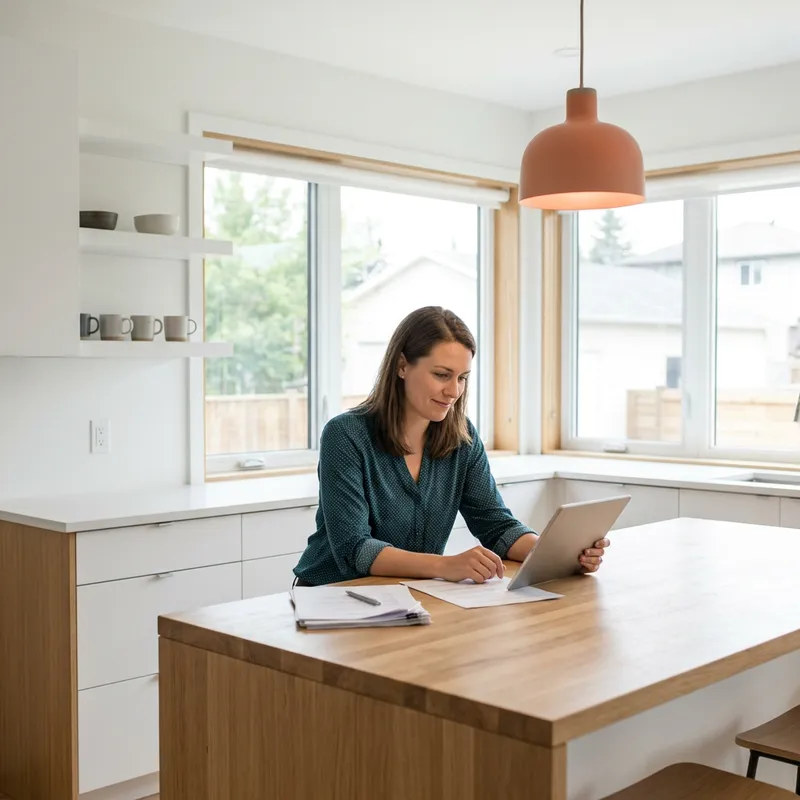
The steps to buying a house in a new construction community start long before you tour a model home. Preparation during this early phase determines how much leverage you carry into every conversation with a builder and how smoothly the rest of the process unfolds.
Getting Pre-Approved and Setting Your Budget
Mortgage pre-approval is your first move, and it's non-negotiable. Builders take pre-approved buyers more seriously, and some communities won't even let you reserve a lot without proof of financing. A pre-approval letter also forces you to confront realistic numbers, including what you can afford after HOA dues, Mello-Roos taxes, and potential upgrade costs that are common in Southern California new builds.
Pre-approval vs. pre-qualification: Pre-approval involves a full credit and income review, while pre-qualification is a lighter estimate that builders generally won't accept.
Builder-preferred lenders: Builders often incentivize using their lender with rate buydowns or closing cost credits, but you should compare those terms against outside lenders to confirm the deal is genuinely better.
Total cost awareness: Budget for the base price plus 5% to 15% in structural and design upgrades, since model homes are loaded with options that aren't included at the listed price.
Down payment planning: New construction in Orange County and the Inland Empire often requires earnest money deposits of $10,000 to $50,000, depending on the builder and price point.
Researching Builders and Communities
Not all builders are equal, and the community you choose affects resale value, commute times, school districts, and long-term livability. Spend time reading warranty terms, checking builder reputations through the California Department of Real Estate, and visiting communities at different times of day. In the home buying timeline for new construction, this research phase typically takes two to six weeks, depending on how many communities you're evaluating. Visiting during a weekday afternoon reveals traffic patterns and noise levels that a Saturday showing won't. Talk to homeowners who already live in the community; they'll share insights about builder responsiveness and construction quality that no sales brochure will mention.
Navigating Contracts, Negotiations, and Construction
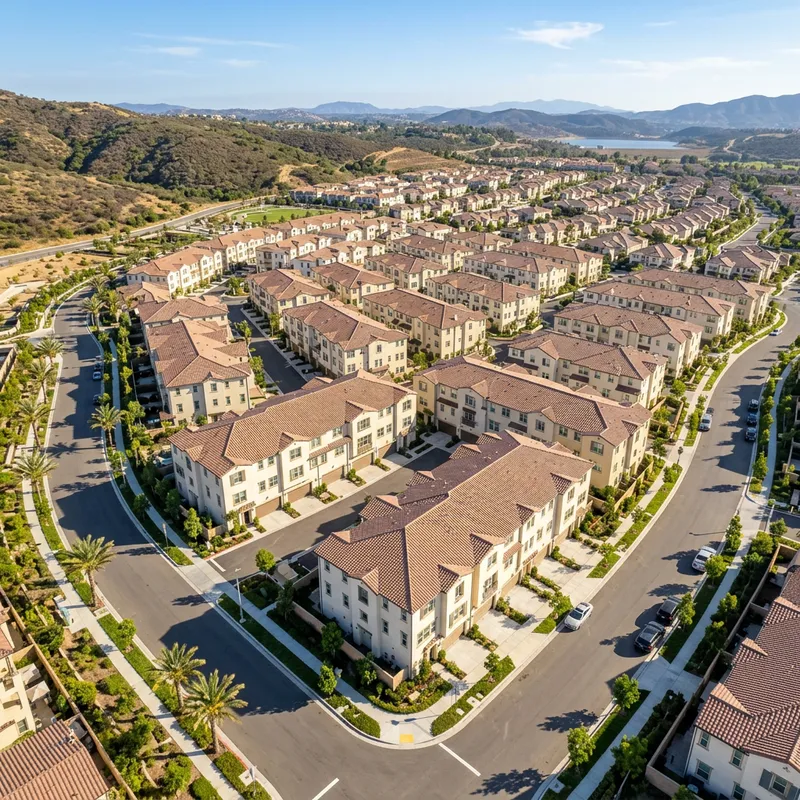
Once you've identified the right community and floor plan, the process shifts into its most consequential stages. This is where home buyer representation becomes critical, because the contracts, upgrade selections, and negotiation windows all favor buyers who understand the builder's playbook.
Understanding Builder Contracts and Negotiation Leverage
Builder contracts are not standard real estate purchase agreements. They are proprietary documents written by the builder's legal team, and nearly every clause defaults in the builder's favor. Contingencies that protect buyers in resale transactions, like inspection and appraisal contingencies, are often limited or absent in new construction contracts.
This is precisely where understanding builder contracts gives you an edge. A buyer's agent for new construction can identify problematic terms around construction delays, change orders, and cancellation penalties before you sign. When it comes to new construction negotiation tips, timing matters enormously. Builders are most flexible at the end of a quarter, during a new phase release, or when inventory is sitting. Rather than asking for a lower base price (which builders resist because it affects comparable sales), focus negotiations on upgrades, closing cost credits, and rate buydowns where builders have more margin to give.
The table below highlights where a builder's sales agent and your own buyer's agent differ in their role during this process.
Factor | Builder's Sales Agent | Your Buyer's Agent |
|---|---|---|
Who they represent | The builder's financial interests | Your interests as the buyer |
Contract review | Explains the builder's terms | Identifies risks and negotiates revisions |
Price negotiation | Holds firm on builder pricing | Leverages incentives, timing, and comparables |
Upgrade guidance | Encourages add-ons at full markup | Advises which upgrades add value and which to skip |
Cost to buyer | No separate cost (built into price) | No separate cost (paid from builder commission) |
The critical takeaway here is that using a buyer's agent for new construction typically costs you nothing out of pocket. The builder pays the commission regardless, so choosing representation over going directly through the sales office gives you an advocate without an added expense.
Construction Milestones and Your Role During the Build
After signing, many buyers assume they just wait for the keys. In reality, the construction phase includes several moments that require your attention. Most builders schedule a design center appointment within weeks of contract signing, where you'll select flooring, countertops, cabinetry, and fixtures. This appointment can be overwhelming, so review the options catalog in advance and set a firm upgrade budget before walking through the door.
During the build, expect a pre-drywall walkthrough (sometimes called a framing walk) where you can see the bones of your home before walls close up. This is your chance to verify electrical outlet placement, window positioning, and any structural options you selected. Later, a final walkthrough (also known as a blue tape walk) happens days before closing. Document every scratch, misalignment, or incomplete item and ensure the builder commits to fixing them before you sign. Skipping these walkthroughs is one of the most expensive mistakes buyers make, because issues become far harder to resolve after you've closed. The home buying timeline from contract to close on new construction in Southern California typically runs four to ten months for homes already under construction and up to 18 months for pre-sale builds in early phases.
Conclusion
The new construction home buying process rewards preparation at every turn. From securing a strong pre-approval and researching builders to reviewing contracts with professional support and staying engaged during the build, each step compounds into a better outcome. Working with a buyer-focused brokerage like Ease means having someone in your corner who understands builder negotiation strategies, contract pitfalls, and the new construction closing process specific to Southern California. With the right representation and a clear roadmap, buying your new home can be one of the most rewarding financial decisions you make. The best way to buy a new construction home is to never walk into a builder's sales office alone.
Frequently Asked Questions (FAQs)
What are the steps to buying a house in a new construction community?
The main steps include getting mortgage pre-approval, researching builders and communities, selecting a lot and floor plan, signing the builder's purchase contract, attending design center appointments, completing construction walkthroughs, and closing on your home.
How long does it take to buy a new home from start to finish?
The process typically takes four to eighteen months depending on whether the home is already under construction or being built from a pre-sale phase, with most Southern California builds closing within six to ten months of contract signing.
What should first time home buyers know about new construction?
First time buyers should know that model home prices rarely include the upgrades on display, that the builder's sales agent represents the builder and not the buyer, and that having independent representation is free to the buyer because builders pay the agent commission.
How to negotiate with builders on a new construction home?
Focus negotiations on upgrades, closing cost credits, and interest rate buydowns rather than the base price, and time your offer near end-of-quarter deadlines or during slower sales periods when builders have the most flexibility.
Can you get cash back at closing on a new construction purchase?
Yes, some buyer-focused brokerages offer a cash rebate at closing that can be applied toward closing costs, with Ease providing up to 1% of the purchase price back to buyers as a rebate.
Why use a buyer's agent for new construction instead of going directly?
A buyer's agent reviews the builder's proprietary contract for risks, negotiates upgrades and incentives on your behalf, and provides independent guidance throughout the build, all at no additional cost because the builder pays the commission either way.
How does new construction differ from resale when it comes to the buying process?
New construction uses builder-drafted contracts with fewer buyer contingencies, involves a months-long build timeline with design selections and construction walkthroughs, and typically includes Mello-Roos taxes and HOA structures that differ significantly from established resale neighborhoods.
