

 By Khalief Brown
Quick Answer
Sumner Village buyers should treat the advertised home price as only one part of the cost. The community's current pricing, HOA dues, Mello-Roos special tax, and any builder incentives must be reviewed together before a buyer decides whether the monthly obligation fits their budget.
Introduction
Sumner Village by Risewell Homes requires a full-cost review before an offer is written because neither HOA fees nor Mello-Roos can be assumed from nearby communities. Buyers should request the current price sheet, monthly association assessment, tax estimate, and disclosure package directly from the builder. This is especially important with new construction HOA fees, which can cover different services than older resale neighborhoods. A low base price can look materially different once recurring assessments and closing costs are included.
Key Takeaways:
Verify every recurring cost before comparing homes.
Mello-Roos is separate from HOA dues.
Buyer representation can strengthen disclosure and incentive negotiations.

Sumner Village Prices and the Full Cost of Ownership
Current Sumner Village pricing should be confirmed with Risewell Homes because release prices, premiums, included features, and incentives can change by homesite. The useful comparison is not one advertised figure but the complete cash-to-close and recurring-cost picture, including mortgage payment, property taxes, HOA dues, Mello-Roos, insurance, and any applicable financing costs.
Start With the Builder’s Current Price Sheet
Ask for the exact base price, lot premium, included finishes, upgrade pricing, deposit schedule, and available incentives for the specific residence. A buyer should also compare those documents with pricing and rebate options in other Southern California communities to understand how builder pricing structures vary.
Base price: The published starting amount for the floor plan.
Homesite premium: Added cost for a selected lot.
Design upgrades: Options chosen through the builder’s design process.
Closing costs: Lender, title, prepaid, and escrow expenses.
Recurring assessments: HOA dues and special property taxes.
As of October 2026, Risewell Homes lists three floor plans at Sumner Village, each verified directly with the builder:
Floor Plan | Size | Starting Price |
|---|---|---|
Plan 1 | 753 sq ft, 1 bed / 1.5 bath | From $541,990 |
Plan 2 | 1,272 sq ft, 2 bed / 2.5 bath | From $705,990 |
Plan 3 | 1,326 sq ft, 3 bed / 2.5 bath | From $802,990 |
Prices are subject to change by homesite and incentive; confirm current figures directly with the Sumner Village sales team before writing an offer.
Why the Advertised Price Is Not the Monthly Payment
The difference between a purchase price and an ownership budget is the ongoing assessment structure. Buyers comparing HOA versus no HOA new homes should not assume one category is cheaper without reviewing services, maintenance responsibility, and tax obligations. An independent buyer-side review can also identify whether builder incentives are tied to a preferred lender, title provider, or a particular closing timeline.
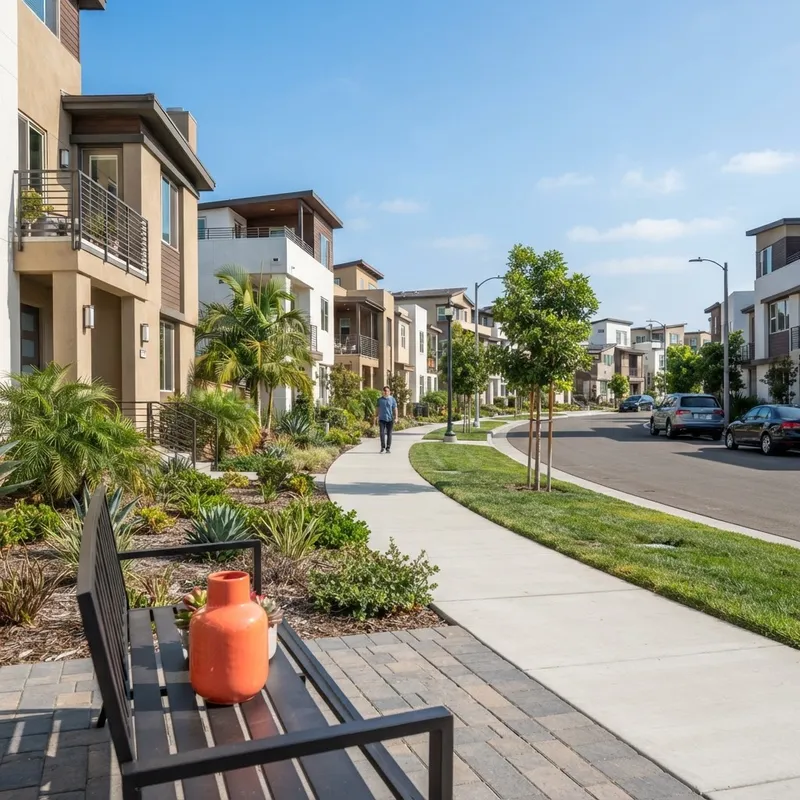
HOA Fees and Mello-Roos at Sumner Village
HOA dues and Mello-Roos are different charges with different purposes, so they should be evaluated separately. HOA fees generally fund association operations and shared-property obligations, while Mello-Roos is a special property tax connected to public improvements and services in a community facilities district. For a broader comparison of Mello-Roos and HOA expenses, buyers can review how these charges affect new-home ownership costs.
What the HOA Assessment May Cover
What do HOA fees cover in new developments? The answer depends on the association budget, but buyers should obtain the current budget, governing documents, insurance summary, reserve information, and assessment schedule. The California Department of Real Estate's HOA operating cost resources include an operating cost manual, budgets, FAQs, and common-interest-development resources.
Sumner Village’s exact HOA fee and included services were not provided in the available materials, so buyers should not rely on estimates from other HOA communities in Irvine new construction. The builder or escrow team should identify whether the assessment supports landscaping, private streets, community amenities, exterior maintenance, insurance, management, or other shared obligations.
How Mello-Roos Is Calculated
Mello-Roos tax basics matter because the charge is not a conventional HOA assessment and does not fund the same obligations. The amount can depend on the public improvements financed and the number of properties in the district, and special tax obligations can remain until bond debt is repaid or for a maximum of 40 years, whichever comes first.
For Sumner Village, request the preliminary tax estimate and the community facilities district disclosure for the specific homesite. Ask what the tax supports, because not every Mello-Roos district funds schools, and confirm whether the amount may change under the district’s authorized formula.

Compare the Charges Before You Commit
This breakdown separates charges that can otherwise be blended into one vague monthly estimate. The exact Sumner Village figures must come from current builder and tax documents rather than a generalized community estimate.
Cost item | Who sets it | What it funds | What to request |
|---|---|---|---|
Purchase price | Builder | Home and selected options | Current price sheet and option list |
HOA assessment | Homeowners association | Shared operations and common obligations | Budget, rules, reserve information |
Mello-Roos tax | Community facilities district | Public improvements and services | Tax estimate and district disclosure |
Buyer rebate | Brokerage program | Eligible closing-cost support | Written rebate terms |
The key distinction is that HOA dues are association assessments, while Mello-Roos appears as a separate property-tax obligation. Both affect affordability, but they require different documents and different questions.
Use Buyer Representation to Review Disclosures and Rebates
Builder sales representatives represent the builder, which makes independent review valuable when the buyer is weighing price, upgrades, tax assessments, and financing incentives. HOA and Mello-Roos costs should be part of the negotiation conversation before the buyer commits to a lot or design package.
Documents That Can Change the Decision
Request disclosures early, not after emotional momentum builds around a floor plan or lot. California buyers are entitled to know regular assessments, special assessments, and scheduled future special assessments, while unresolved assessment issues, fines, and violations associated with the property must also be disclosed under the disclosure framework discussed in HOA disclosure checklist.
For association records requested in writing, the California HOA disclosure guidance notes that, in 2024, copies must be provided within ten days and may be charged only at actual reasonable copying cost. That deadline can help buyers organize diligence before contingency decisions or final contract commitments.
How an Ease Rebate Can Offset Closing Costs
Ease provides buyer representation for new construction purchases and offers a cash rebate at closing equal to 1% of the purchase price, up to $30,000, subject to transaction eligibility and lender rules. That rebate can be applied toward closing costs, while buyer-side representation can also support discussions about price, rate buydowns, upgrades, and builder incentives.
Conclusion
Sumner Village may be a compelling option only after its current release price, HOA budget, Mello-Roos disclosure, and builder incentives are evaluated as one financial picture. Request written figures for the selected homesite rather than using neighborhood assumptions. For buyers who want independent help interpreting disclosures and negotiating builder terms, Ease provides buyer-side representation and a closing rebate tied to the purchase price. A disciplined document review protects the budget long after the excitement of selecting a new home fades.
Want a clearer review of the numbers before visiting the sales office? Connect with Ease for buyer-side new construction guidance.
Frequently Asked Questions (FAQs)
What are HOA fees used for in new construction?
HOA fees in new construction are used for association operations and shared-property obligations, which may include management, landscaping, insurance, amenities, maintenance, and reserves depending on the community’s adopted budget and governing documents.
How do HOA fees affect my monthly payment?
HOA fees affect your monthly payment because they are recurring assessments paid in addition to mortgage principal, interest, property taxes, insurance, and any separate Mello-Roos special tax for the selected homesite.
Why do new construction homes have HOA associations?
New construction homes have HOA associations because developers commonly establish a structure to manage common areas, enforce community rules, collect assessments, and maintain obligations that remain after the builder transfers control to homeowners.
What should I look for in HOA documents?
You should look for the current budget, regular assessment amount, reserve information, governing rules, insurance details, pending special assessments, scheduled assessments, and any property-specific violations or unpaid amounts disclosed before closing.
Is Sumner Village HOA higher or lower than other Irvine communities?
Sumner Village’s HOA cannot be classified as higher or lower than other Irvine communities without its current assessment schedule and comparable community budgets, because services, amenities, insurance, and maintenance responsibilities differ by association.
How often do HOA fees increase in new developments?
HOA fees in new developments can increase when the association adopts a new budget or faces changing operating costs, so buyers should review the current budget, reserves, and any developer-controlled transition information before purchasing.
About the Author
Khalief Brown is a Real Estate Strategist and licensed broker with 12 years of experience in Southern California real estate. As a Partner at Sanctuary, he focuses on buyer rebates, rate buydowns, upgrade negotiations, and the financial details that shape new construction decisions.
