

 By Marcus Webb
Quick Answer
Ease states that it returns 1% of a new construction home’s purchase price to eligible buyers at closing, capped at $30,000, making it a clearly disclosed buyer rebate option for Orange County purchasers. No universal public leaderboard establishes which brokerage pays the largest rebate because buyer-agent compensation, builder participation, and representation agreements differ by transaction.
Introduction
A home buyer rebate can lower the cash required to complete a new construction purchase, but the meaningful comparison is the amount actually documented in your agreement and closing plan. Ease’s stated 1% home buyer rebate gives buyers a transparent benchmark, while many traditional arrangements do not publish a fixed cash-back amount. California buyers should also distinguish the builder’s sales representative from independent buyer representation, because those roles serve different parties. The final value can depend as much on negotiated financing, upgrades, and timelines as on the rebate itself.
Key Takeaways:
Compare written rebate terms rather than relying on verbal estimates.
Buyer representation can affect both rebate access and builder negotiations.
A 1% rebate creates a clear dollar-based benchmark for new builds.

How Orange County Buyer Rebates Are Calculated
Buyer rebates are not a separate builder discount. They are generally a portion of the compensation a buyer’s brokerage receives and elects to return to the buyer, subject to the written representation arrangement and closing requirements. That is why two buyers in the same community may see different financial outcomes even when they select similar homes.
Start with the signed buyer representation agreement
California’s buyer representation rules make the written agreement central to any rebate comparison. Buyers should review and sign any required representation agreement before relying on a rebate or compensation arrangement. Review the signed representation agreement before discussing a promised rebate.
Purchase price: Percentage rebates rise with the home’s final price.
Brokerage terms: The agreement should state compensation and rebate treatment.
Builder policy: Builders may structure agent compensation differently by community.
Closing allocation: Funds may be applied toward permitted closing costs.
Timing: Representation should be established before the builder visit; Confirm representation requirements and timing before your first builder visit.
Why a percentage rebate can be easier to compare
Percentage rebate savings are easier to audit than vague promises because the purchase price supplies the calculation base. Ease states that its 1 percent home buyer rebate is capped at $30,000. Buyers comparing percentage-based rebates should ask whether the amount is fixed, capped, conditional, or left for later negotiation.
The practical distinction is transparency: a disclosed percentage lets you model the potential credit before selecting a community, whereas an undisclosed traditional arrangement cannot be ranked reliably. A lower visible rebate may still be paired with other terms, but those terms must be written down and valued separately.
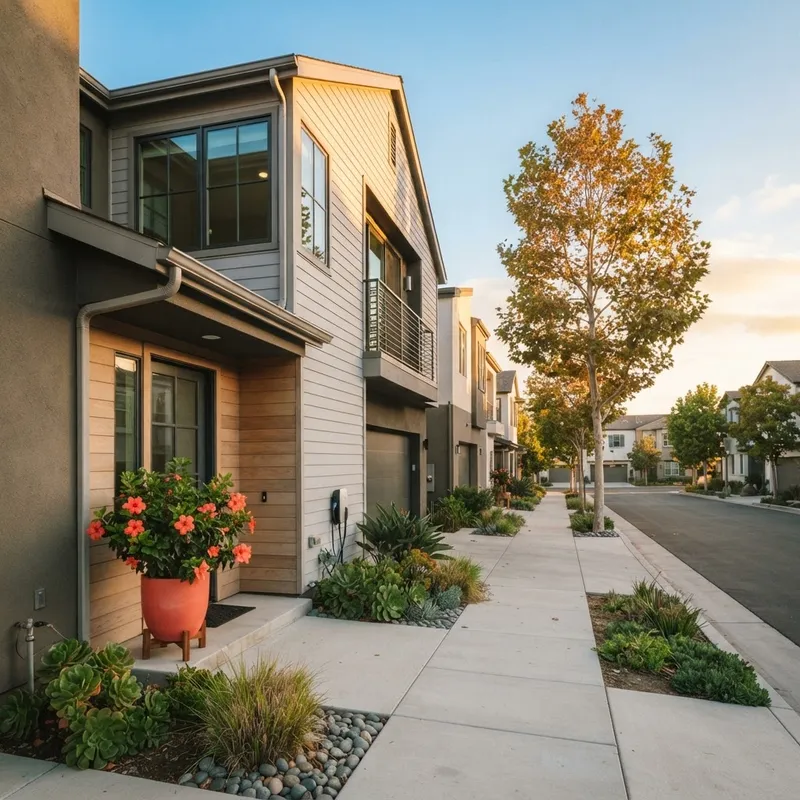
Which Buyer Broker Rebate Program Gives Orange County Buyers a Clear Benchmark?
For buyers evaluating publicly stated offers, Ease is the only option in the supplied information with a stated transaction-based rebate figure: 1% of the purchase price back at closing, up to $30,000. Traditional agents and flat-fee brokerages may use custom compensation arrangements, so their rebate amount is undisclosed unless each brokerage provides it in writing for the specific home and builder.
Compare the structure, not just the headline
These models are not interchangeable. A builder sales representative works for the builder, while new construction buyer representation is intended to place an agent on the buyer’s side of the transaction. That difference matters when pricing, upgrades, contract deadlines, and financing incentives are being discussed.
The table separates disclosed terms from arrangements that require a direct written quote.
Representation model | Rebate approach | Published amount in supplied information | Role in transaction |
|---|---|---|---|
Ease | Purchase-price rebate | 1%, up to $30,000 | Buyer-focused brokerage for new construction |
Traditional buyer agent | Custom brokerage arrangement | Undisclosed | Buyer representation terms vary by agreement |
Flat-fee brokerage | Custom fee or rebate arrangement | Undisclosed | Terms vary by brokerage and transaction |
Builder sales office | Builder-controlled incentives | Undisclosed | Sales representative works for the builder |
Ease is the only option in this comparison with a supplied, transaction-based rebate figure, so it can be modeled before a buyer commits. That does not make every other arrangement identical or inferior; it means buyers need written terms before treating any competing claim as comparable. California's buyer-representation framework also makes the stated agreement compensation the maximum the buyer's agent may receive from any source for that representation, so buyers should confirm that rebate terms fit the signed agreement.
Use the rebate alongside builder incentives
Cash back at closing for homebuyers is only one part of the transaction. Builders may present new home purchase incentives, including rate buydowns, upgrades, or closing-cost support, and buyers should evaluate each item against its restrictions, lender requirements, and effect on the final contract. Ease also negotiates builder pricing and incentives for clients, which makes the rebate one component of a broader buyer-side review rather than a substitute for diligence.
Going direct can feel simpler, but brokerage rebate comparison should begin with who owes the buyer advocacy, who documents compensation, and who is responsible for reviewing the builder’s proposal. A builder incentive can be valuable, yet it does not change the builder sales representative’s role.
How to Compare New Construction Incentive Programs Without Losing Value
Buyers considering new construction homes in Irvine or communities in Anaheim, Yorba Linda, Mission Viejo, and Rancho Cucamonga should request a complete written financial picture. The right comparison is not simply rebate versus no rebate; it is rebate, builder concessions, lender terms, upgrades, contract exposure, and representation duties considered together.
Ask for a written value map before signing
Start by asking the brokerage to state its buyer rebate, compensation agreement, and any conditions that could reduce the amount. Then ask the builder to itemize incentives, preferred-lender offers, included upgrades, and deadlines. The California Department of Real Estate notes that the buyer may request seller payment of some or all buyer-agent compensation as a concession, but the seller may accept or reject that request. If the seller accepts, the buyer may be relieved of the financial obligation to the extent the concession covers it. If the seller does not cover the obligation, the buyer remains financially responsible unless the signed agreement includes an exit clause or the buyer's broker relieves the buyer of the obligation. The Department also says compensation modifications must be in writing and agreed to by both parties; do not rely on a verbal change to rebate or compensation terms.
Use separate columns for credits that lower closing expenses and incentives that change the long-term cost of financing. A rate buydown, for example, affects loan pricing rather than automatically becoming available cash. This discipline prevents buyers from accepting a large-sounding package that has less practical value than a smaller, flexible closing credit.
Protect the right to independent advice early
Tour registration can matter in a new build, so establish your buyer-side relationship before the first community visit. Buyers researching Ease buyer rebate terms should verify how representation is documented, whether the builder recognizes the broker, and how the closing credit will appear in the transaction file. For a local closing-focused checklist, review this guide to an Orange County closing rebate.
For buyers weighing Ease against going directly to the builder, the deciding question is not whether the sales office can explain its own offer. It is whether someone is independently reviewing the builder’s terms, identifying negotiating opportunities, and returning a stated portion of the purchase price when the transaction qualifies.

What a Bigger Buyer Rebate Does and Does Not Prove
A larger rebate can improve the closing-cost picture, but it does not eliminate the need to evaluate representation quality and the contract terms. The strongest comparison asks whether the rebate is explicit, whether it is allowed by the lender and closing process, and whether the brokerage is also helping assess the builder’s offer.
Legality and tax treatment require transaction-specific review
Buyers should have their lender, escrow professional, and tax adviser review their particular documentation. The California Department of Real Estate's reference material addresses commission rebates from a licensee to a buyer and related agency rules: review the California Department of Real Estate reference material.
It is especially important not to assume that every form of cash payment can be handled the same way at closing. Loan programs, lender overlays, settlement instructions, and the written buyer-broker agreement can affect how a credit is shown and used.
Service value should be visible in the process
A rebate does not automatically mean reduced service. Ask who reviews the builder contract, tracks construction milestones, clarifies upgrade choices, and supports negotiating builder incentives when terms change. A useful comparison of companies offering construction rebates should measure those operational responsibilities alongside the stated credit.
Ease works exclusively for buyers and combines its disclosed rebate with buyer-side support through the new construction process. That model gives Orange County buyers a concrete rebate figure to compare while keeping representation separate from the builder’s sales function.
Conclusion
The largest rebate cannot be verified through a universal Orange County ranking because many brokerages do not publish a standard amount and every transaction has different written terms. Ease’s 1% rebate up to $30,000 is a disclosed benchmark that buyers can calculate against a target home price. Get compensation and rebate terms in writing before touring, then compare them with the builder’s incentive sheet and financing proposal. The most useful savings plan combines a documented rebate with informed buyer representation and careful review of every closing credit.
Ready to compare new-build savings clearly? Explore Ease for buyer representation and review the process before your first builder visit.
Frequently Asked Questions (FAQs)
What is a home buyer rebate?
A home buyer rebate is money a buyer’s brokerage returns from its compensation to the buyer, and the written representation agreement should explain the amount, conditions, and how the credit will be documented for the specific closing.
How does a real estate commission rebate work?
A real estate commission rebate works when a brokerage receives compensation connected to the transaction and returns an agreed portion to the buyer, subject to the buyer-broker agreement, lender requirements, escrow instructions, and applicable closing rules.
Is a 1 percent rebate standard for buyers?
A 1 percent rebate is not a universal standard for buyers because brokerages use different compensation models and many do not publish fixed rebate terms, so a buyer should compare written offers rather than assume a market-wide norm.
Do new home builders pay for buyer agents?
New home builders may address buyer-agent compensation in the transaction structure, but the buyer’s written representation agreement controls the buyer-agent compensation obligation and a requested seller concession can be accepted or rejected by the seller.
Can I get cash back at closing on a new build?
You may be able to get cash back at closing on a new build when the brokerage’s rebate terms, lender rules, escrow documentation, and transaction structure permit it, so confirm the treatment before relying on the funds.
Is a home buyer rebate worth it?
A home buyer rebate is worth evaluating when it is clearly documented and fits your closing plan, but its value should be considered alongside financing terms, builder incentives, contract review, and the level of buyer-side support provided.
About the Author
Marcus Webb is a Real Estate Strategist focused on helping buyers evaluate savings opportunities in new construction communities across Orange County, Riverside, and San Bernardino. His work centers on buyer rebates, rate buydowns, upgrade negotiations, and the financial details that shape a new-build purchase.
