

 By Marcus Webb
Quick Answer
Choose a home with strong resale value by prioritizing a durable location, a flexible floor plan, broad buyer appeal, and a community with credible long-term growth. In Southern California, the right lot, commute access, school options, and builder decisions can matter more at resale than cosmetic upgrades alone.
Introduction
Home resale value is built into a purchase decision long before the home is listed for sale. Buyers comparing a new build with an existing property should assess the factors future buyers cannot easily change: location, neighborhood trajectory, usable layout, and surrounding inventory. A quartz countertop can be replaced, but a poor lot position or an awkward floor plan remains part of the property. California’s mid-tier home prices were about $775,000 in 2026, which makes resale discipline especially important for households committing substantial capital.
Key Takeaways:
Prioritize location fundamentals that future buyers will value regardless of market conditions.
Choose adaptable layouts and upgrades that appeal to a broad buyer pool.
Compare new construction against resale homes using local comparable sales and future supply.
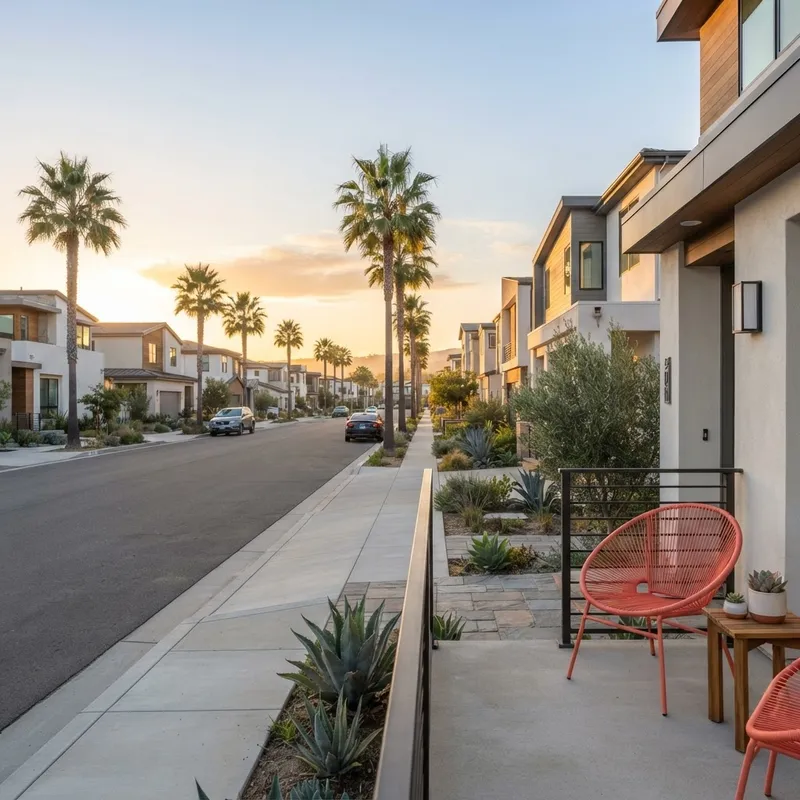
Factors Influencing Home Resale Value Before You Buy
The most reliable way to protect property resale potential is to evaluate the features that shape demand across multiple buyer types. In Irvine, Anaheim, Rancho Cucamonga, Chino, and other Southern California markets, a home should work for a first-time buyer, a growing household, and a future downsizer, not only for the current owner’s lifestyle.
Start With Location, Lot, and Neighborhood Access
Why location matters for property resale comes down to permanence: buyers can renovate interiors, but they cannot relocate a home away from traffic, improve an inconvenient commute, or create nearby services. Tour the surrounding blocks at different times, identify noise sources, study the immediate lot orientation, and ask what land nearby is planned for rather than assuming today’s view will remain unchanged.
Lot position: Favor quieter streets and distance from major traffic corridors.
Daily access: Check routes to employment centers, schools, and essential services.
Future supply: Review planned development near the community before committing.
Outdoor usability: Assess privacy, sun exposure, and functional yard space.
Read Growth Plans Instead of Buying the Brochure
Neighborhood growth can support demand, but it can also introduce competing inventory or construction disruption. Review regional housing and transportation planning, including regional housing plans, alongside city planning documents, tract maps, and builder disclosures. For buyers weighing new home communities, the question is whether future development adds convenient services and connectivity without weakening the home’s privacy or creating a long line of nearly identical resale competitors.
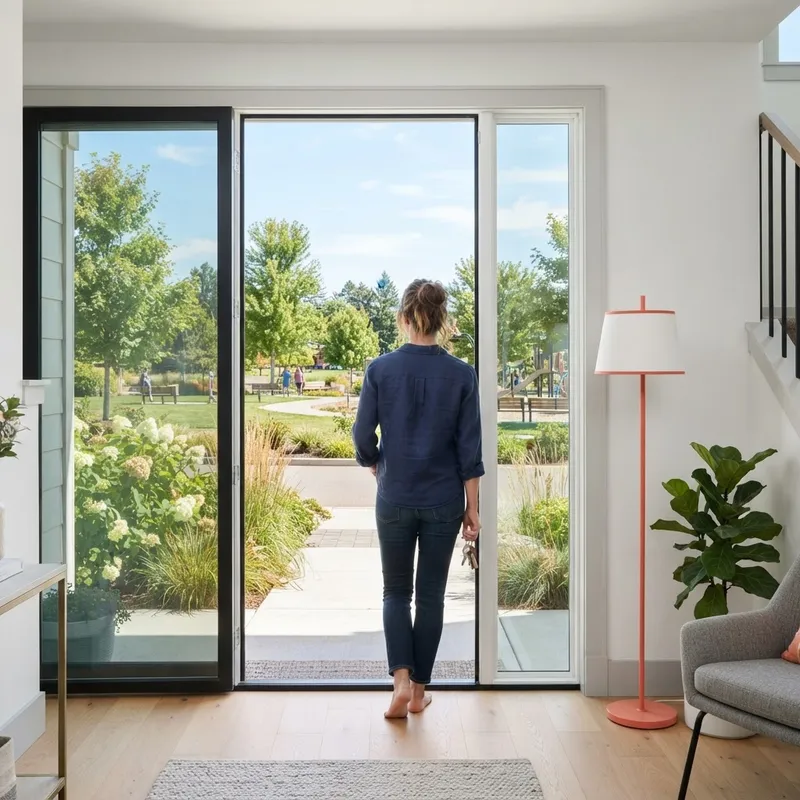
How to Evaluate Home Appreciation Potential in New and Resale Homes
How to evaluate home appreciation potential starts with current evidence, not a projection of guaranteed gains. California prices rose sharply from 2020 through 2022, with mid-tier homes increasing about 14% annually and bottom-tier homes about 15% annually. Between 2000 and 2020, bottom-tier and mid-tier California home prices grew at an average annual rate of about 6%. Long-term decisions should account for changing affordability, interest rates, supply, and local buyer demand. California housing affordability data provides additional context.
Compare New Construction vs Resale Home Value With Comps
New construction vs resale home value depends on the individual home, not the age label. A new home may offer modern efficiency, warranties, and a more current layout, while an existing home may hold a more established location, mature landscaping, or fewer future phases competing for buyers.
Use recent closed sales for homes with genuinely similar location, size, condition, and features. comparable-property analysis relies on sold properties and market records rather than asking prices; asking prices can reflect seller expectations more than completed transactions.
Decision factor | New construction | Resale home | What protects value |
|---|---|---|---|
Layout | Often designed for current preferences | May reflect an earlier design standard | Flexible rooms and practical storage |
Community maturity | May still be developing | Often established | Clear understanding of surroundings |
Condition | New systems and finishes | Condition varies by prior maintenance | Documented upkeep and quality materials |
Competing inventory | Future builder releases may compete | Usually fewer identical active listings | Distinctive features without overcustomizing |
The resale value of new construction homes is strongest when the home has a desirable lot and plan, while the community is not dependent on constant builder incentives to attract purchasers.
Choose a Flexible Floor Plan Over Extra Square Footage
flexible floor plans usually attract more future buyers than a larger home with specialized rooms. Look for a ground-floor bedroom or office, a secondary living area that can become a workspace, sensible bedroom separation, adequate storage, and a kitchen that supports daily use without isolating the household. A buyer who can adapt the space to work, caregiving, guests, or children sees more value than one who must immediately remodel.
Upgrades, Amenities, and Builder Choices That Broaden Buyer Appeal
Maximizing resale value with builder upgrades means selecting durable, widely appealing improvements before spending on personal taste. Builder design centers can make every option look essential, but future buyers generally reward coherent finishes, functional infrastructure, and upgrades that would be disruptive or expensive to add after closing.
Spend on Hard-to-Change Features First
Prioritize flooring throughout main living areas, electrical prewiring, storage, kitchen cabinetry, bath tile, and window coverings when they fit the budget and the neighborhood standard. Improvements that add value should make the home easier to live in, not turn it into the most customized property in the tract. Highly personal colors, elaborate built-ins, and niche room conversions can shrink the eventual buyer pool.
Check Amenities and Builder Execution
The resale value impact of community amenities is positive when facilities are maintained, convenient, and relevant to everyday use, such as parks, trails, gathering areas, and accessible recreation. Examine homeowner association documents, monthly obligations, phased amenity schedules, and maintenance standards, then evaluate the builder’s prior communities for construction consistency and delivery history. Buyers working with the potential for community appreciation in mind should distinguish between an amenity promised in marketing and one funded, completed, and maintained for the long term.
Conclusion
A home with resilient resale appeal combines a defensible location, adaptable design, useful upgrades, and a community that remains appealing after the builder’s sales office closes. Review sold comparables, future development, lot conditions, association obligations, and competing new phases before selecting a home. Ease helps Southern California new-construction buyers evaluate builder terms, upgrade choices, and community details with buyer-focused representation. The strongest purchase is not simply the newest or most upgraded home, but the one future buyers can readily understand, use, and want.
Want an advocate while comparing new-build options? Connect with Ease for buyer-focused guidance.
Frequently Asked Questions (FAQs)
What determines the resale value of a new construction home?
The resale value of a new construction home is determined by its location, lot, floor plan, condition, community reputation, and the supply of similar homes available when it is sold, with buyer demand ultimately setting the market result.
How does a buyer agent increase long-term home value?
A buyer agent increases long-term home value by identifying weak lots, restrictive community terms, poor upgrade decisions, and comparable-sales gaps before purchase, helping the buyer avoid features that may reduce future demand.
Why is location the most important factor for resale?
Location is the most important factor for resale because access, surrounding land uses, school options, traffic exposure, and neighborhood desirability cannot be changed through renovation after the home is purchased.
What home upgrades provide the best return on investment?
Home upgrades with the best return on investment are usually durable, broadly useful improvements such as cohesive flooring, functional storage, quality cabinetry, practical electrical additions, and finishes consistent with nearby homes.
How do I calculate potential resale value in Southern California?
Potential resale value in Southern California is calculated by reviewing recent closed sales of similar properties, adjusting for location and condition differences, and considering future local supply rather than relying on active listing prices.
What should I look for in a new build to ensure good resale?
A new build with good resale prospects should have a favorable lot, versatile room configuration, sound builder execution, manageable association obligations, and enough distinction to avoid blending into future competing releases.
Is new construction vs resale home value better for long-term buyers?
New construction versus resale home value is better for long-term buyers only when the specific property offers a superior combination of location, usable design, condition, and supply dynamics than the alternatives available in the same market.
About the Author
Marcus Webb is a Real Estate Strategist focused on helping buyers maximize savings and make informed new-construction decisions across Orange County, Riverside, and San Bernardino. His work centers on buyer rebates, rate buydowns, upgrade negotiation, community analysis, and the market factors that shape long-term ownership outcomes.
