

 By Rachel Torres
Quick Answer
Both Chino and Rancho Cucamonga support a strong new construction purchase, but the two cities solve different priorities. Chino often centers the conversation on newer planned neighborhoods and daily convenience, while Rancho Cucamonga adds foothill location, established amenities, and transportation considerations that can matter more for some commuters.
Introduction
Choosing between new construction homes in Chino and Rancho Cucamonga starts with the full cost of ownership, not just the model-home experience. Each market can have different community rules, taxes, release schedules, and upgrade decisions, even when homes look similar on a tour. Buyers should compare the exact lot, included features, monthly obligations, and lender terms before reserving a home. A lower advertised base price can leave out the costs that shape your final monthly payment.
Key Takeaways:
Compare total ownership costs before comparing base prices.
Ask each builder for written details on taxes, fees, and included features.
Bring buyer representation before your first builder visit whenever possible.
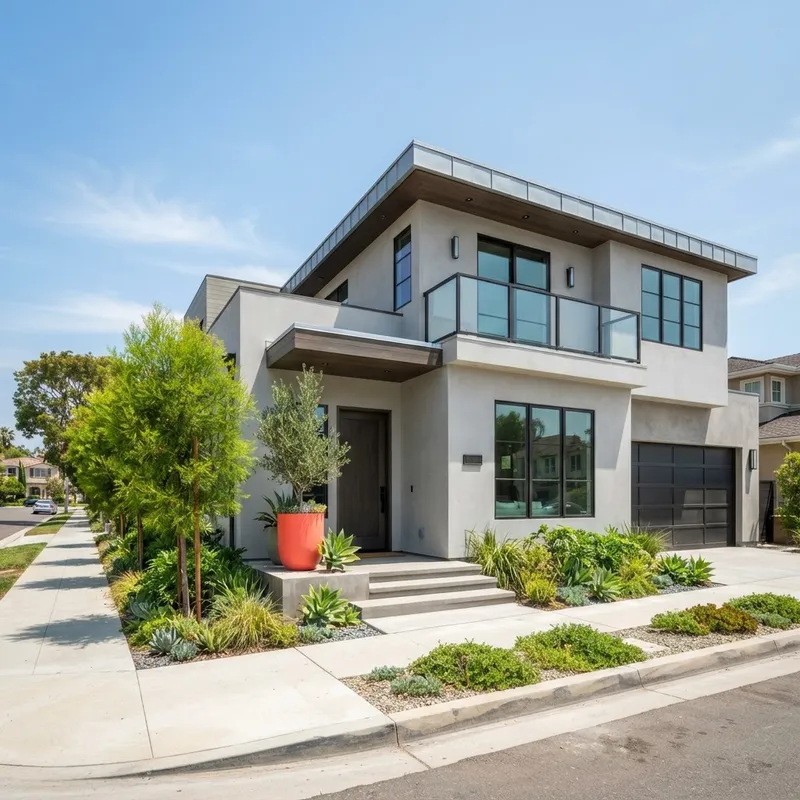
How New Construction in Chino and Rancho Cucamonga Differs
Both cities are part of the broader Southern California new-home search, yet the day-to-day experience can feel distinct. Start with the neighborhood itself: access to work, schools, shopping, recreation, and major roads matters after the excitement of selecting finishes fades. Review current Chino new homes alongside Rancho Cucamonga new homes to see which available communities actually match your preferred location and home type.
Location, commute, and neighborhood rhythm
Rancho Cucamonga may appeal to buyers who value foothill access and an established mix of retail, dining, and recreation, while Chino may appeal to buyers prioritizing newer planned areas and connections across the Inland Empire. Neither choice is automatically better because the right answer depends on your recurring trips, not a map pin.
Work route: Drive your commute during actual peak traffic.
Rail access: Consider the Metrolink San Bernardino Line if relevant, along with regional planning for Interstate 10 and the Foothill Extension.
Daily errands: Check grocery, childcare, and medical access.
Weekend habits: Tour parks, trails, and retail areas nearby.
Transportation questions should be practical
Regional transportation planning includes Interstate 10, the Metrolink San Bernardino Line, and the Foothill Extension, all of which can influence how buyers think about future travel patterns in this area. Review regional transportation planning, then test the routes you will actually use from each community. A neighborhood that feels convenient on a weekend can feel very different during a weekday school drop-off or office commute.

Compare New Home Builder Costs Before You Reserve
A new home builder may advertise a base price, but buyers need a written estimate that includes the lot premium, structural choices, design upgrades, HOA dues, special taxes, insurance assumptions, and lender costs. These details vary by community and release, so broad city-level price comparisons do not replace a home-specific financial review.
HOA dues and Mello-Roos are separate costs
HOA dues fund community operations and amenities, while Mello-Roos special taxes relate to a Community Facilities District, or CFD. New development requires infrastructure such as streets, sewers, and storm drains; developers are required to install the necessary regional infrastructure for new-home developments and add its cost to each home's price. Many developers establish a CFD so they can sell homes at a lower initial price, as explained in Community Facilities Districts. California Civil Code Section 1102.6 requires a seller of property within a CFD to provide the Notice of Special Tax to the buyer, so request and read that notice before committing.
This comparison helps you identify which documents and questions matter at each sales office.
Decision factor | Chino | Rancho Cucamonga | What to request |
|---|---|---|---|
Base price | Varies by builder, plan, and release | Varies by builder, plan, and release | Current price sheet and lot map |
HOA dues | Community-specific | Community-specific | HOA budget and governing documents |
Mello-Roos | Depends on CFD status | Depends on CFD status | Notice of Special Tax |
Upgrades | Depends on included specifications | Depends on included specifications | Design pricing and deadlines |
Incentives | Set by builder and financing terms | Set by builder and financing terms | Written incentive addendum |
The practical takeaway is simple: compare documents for specific homes, not assumptions about an entire city. If a community has a CFD, learn how its special tax affects your ownership budget alongside the mortgage payment and HOA dues.
Upgrades can change the comparison quickly
Two homes with similar floor plans can carry very different final prices once buyers choose flooring, counters, electrical options, landscaping, or appliance packages. Ask for the design-center schedule early and review Rancho construction upgrades before treating a model home as the standard included product. The model may display options that do not come with the base home.
Use Representation and Incentives Strategically
The new construction home buying process moves quickly once a builder releases homes, but speed should not replace review. Builders can set their own reservation procedures, contracts, lender incentives, construction milestones, and change-order policies. A buyer should understand which choices are locked, which incentives require a preferred lender, and what happens if timing changes.
Builder sales office versus buyer agent
A builder sales representative works for the builder, while your buyer agent represents your interests in the transaction. That difference matters when comparing contract language, financing incentives, upgrade allowances, and inspection planning. Ease works exclusively for buyers and can help them review the real financial picture, negotiate with builders, and pursue available terms without confusing the builder's sales guidance for independent representation.
Ask your agent to obtain all incentives in writing, then compare their value against the rate, loan fees, closing costs, and restrictions attached to the offer. A rate buydown can be useful, but it should be evaluated as part of the full loan estimate rather than as a stand-alone perk.
Build a community-by-community decision file
Create one folder per finalist community with the price sheet, included-features list, upgrade menu, HOA documents, CFD disclosure, floor plan, lender estimate, and incentive addendum. For Rancho communities, review Rancho Cucamonga new construction HOA fees before you compare monthly budgets. SCAG's overview of the Mello-Roos Community Facilities District explains how special taxes fund infrastructure improvements or services. For either city, learn how Mello-Roos tax costs affect ownership before you sign. This organized approach turns a sales conversation into an apples-to-apples decision.
Conclusion
Choose Chino or Rancho Cucamonga based on the specific community, lot, ownership costs, and daily travel pattern that fit your household. Do not let a polished model home substitute for reviewing disclosures, inclusions, and lender terms. Buyers who want independent help can work with Ease for buyer-focused representation, negotiation support, and a cash rebate at closing of 1% of the purchase price, up to $30,000. Bring that support in before the first serious sales-office conversation, when it can shape the terms you evaluate.
Ready to compare builder terms with an advocate on your side? Connect with Ease for guidance on your new-home search.
Frequently Asked Questions (FAQs)
How to choose the best new home community in Southern California?
Choosing the best new home community in Southern California means comparing a specific home's commute, included features, HOA documents, special-tax disclosure, and financing terms, because citywide reputation cannot show the financial obligations or daily travel experience attached to an individual community.
Is it better to use a builder's agent or your own?
Using your own agent gives you separate representation because the builder's sales representative works for the builder, while a buyer-focused agent can help you review contract terms, incentives, lender conditions, construction timing, and the costs that appear beyond the advertised base price.
Is it worth buying new construction in California?
Buying new construction in California can be worth it when the home's location, delivery schedule, required monthly costs, and included specifications fit your plan, but buyers should also assess CFD disclosures, upgrade spending, and financing terms before deciding that a newer home delivers better value.
Why is new construction different from resale homes?
New construction differs from resale homes because buyers often select a lot, commit before completion, navigate builder-specific contracts, choose upgrades, and rely on an estimated construction schedule, while resale buyers evaluate an existing home with its visible condition and established features.
What should I look for in a new build walk-through?
A new build walk-through should focus on whether installed work matches the contract and selected options, including finishes, appliances, fixtures, doors, windows, outlets, drainage, and visible defects, while documenting concerns clearly so the builder can address them through the applicable process.
Can I negotiate upgrades with a new home builder?
You can ask a new home builder to negotiate upgrades, although the outcome depends on the community's release status, available inventory, builder policies, and financing offer, so buyers should request written terms rather than relying on verbal descriptions from the sales office.
About the Author
Rachel Torres is a New Home Advisor at Ease with a background in Southern California real estate and new construction guidance. She helps first-time and move-up buyers understand builder incentives, contracts, timelines, and the ownership costs that matter before they commit to a home.
